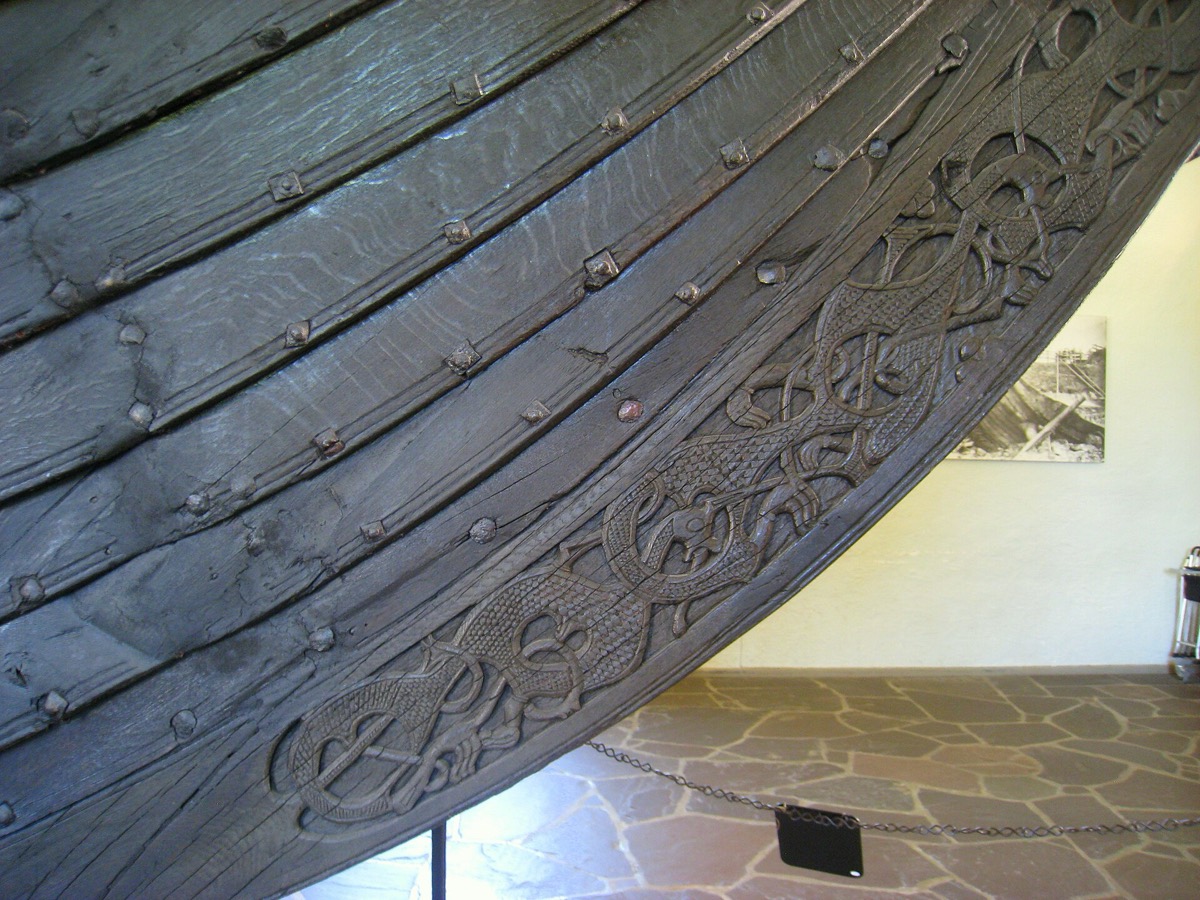
More than a hundred small silk fragments came out of the , excavated nearly a century ago and still the oldest Viking Age silk found in Norway. At the time nobody considered that it might have been imported from Persia. The assumption was that most of it had been looted from churches and monasteries in England and Ireland. Was it?
Bought, more likely, and from the east. After four years of investigation, Marianne Vedeler argues that most of the silk was purchased rather than plundered, through trade connections with Persia and the . A large proportion of the Oseberg silk carries patterns from the Persian Empire, including birds from Persian mythology and clover-leaf axes, a symbol. Most of it came north along the Dnepr and Volga.
More than a hundred small silk fragments were found in the Oseberg ship, the oldest Viking Age silk known in Norway. When they were discovered, nobody conceived that the material might have been imported from Persia, and the general belief was that most had been looted from churches and monasteries in England and Ireland.
Marianne Vedeler of the University of Oslo spent four years on the question. Her conclusion is that the silk trade was far more comprehensive than assumed, and that Norwegian Vikings held trade connections with Persia and the Byzantine Empire. A network of traders from various places and cultures brought the silk north.
The patterns support it. A large proportion of the Oseberg silk carries designs from the Persian Empire, including parts of birds associated with Persian mythology combined with clover-leaf axes, a Zoroastrian symbol taken from the Zodiac. The textiles themselves were imported, while the bands were most likely made locally from imported thread.
The routes were difficult and the goods were ordinary. Vedeler believes most of the silk came by way of the Dnepr and the Volga rather than through Central Europe. On those river journeys tribesmen attacked the traders, who had to carry their boats past rapids. Most of what reached Scandinavia was of medium or below-medium quality, which is what a trade looks like rather than a hoard of plunder.
wat. The patterns are Persian, the route is the Volga, and the simplest explanation is that somebody paid for it.
wat wat
The looting story made the Vikings a one-directional force. A trade network running to Persia makes them participants in somebody else’s economy as well.
How do we know?
An article from the University of Oslo reports Marianne Vedeler’s four-year study of Viking Age silk. It draws on the Nordic finds and on manuscripts about silk production and trade in Byzantium, Persia and along the Russian rivers.
What is still unknown
An argument from the totality of the evidence rather than a decisive find. Some pieces are read as local, others as plunder from an Irish church, and the case rests on which explanation fits the whole picture better.
Learn something?
Where to next
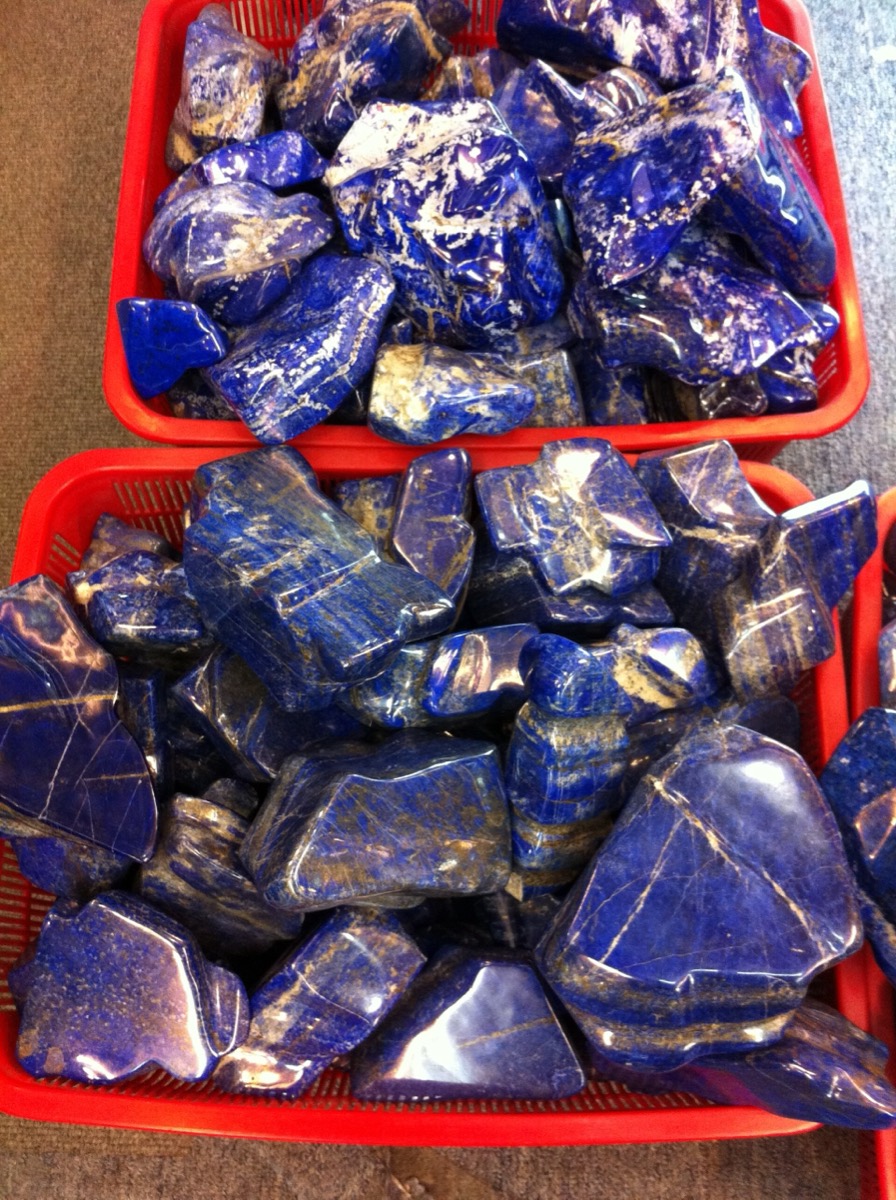 Why was blue the last color to arrive in painting?trade
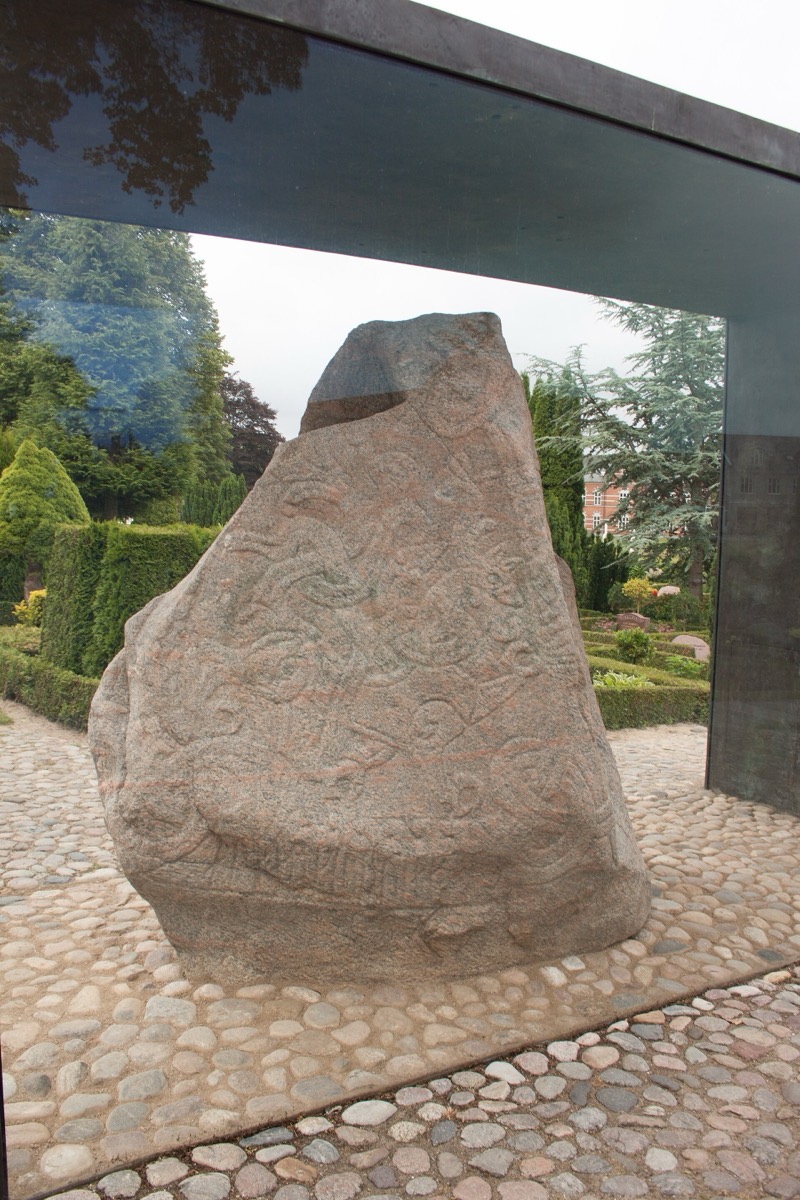 Why is a wireless standard named after a tooth?vikings