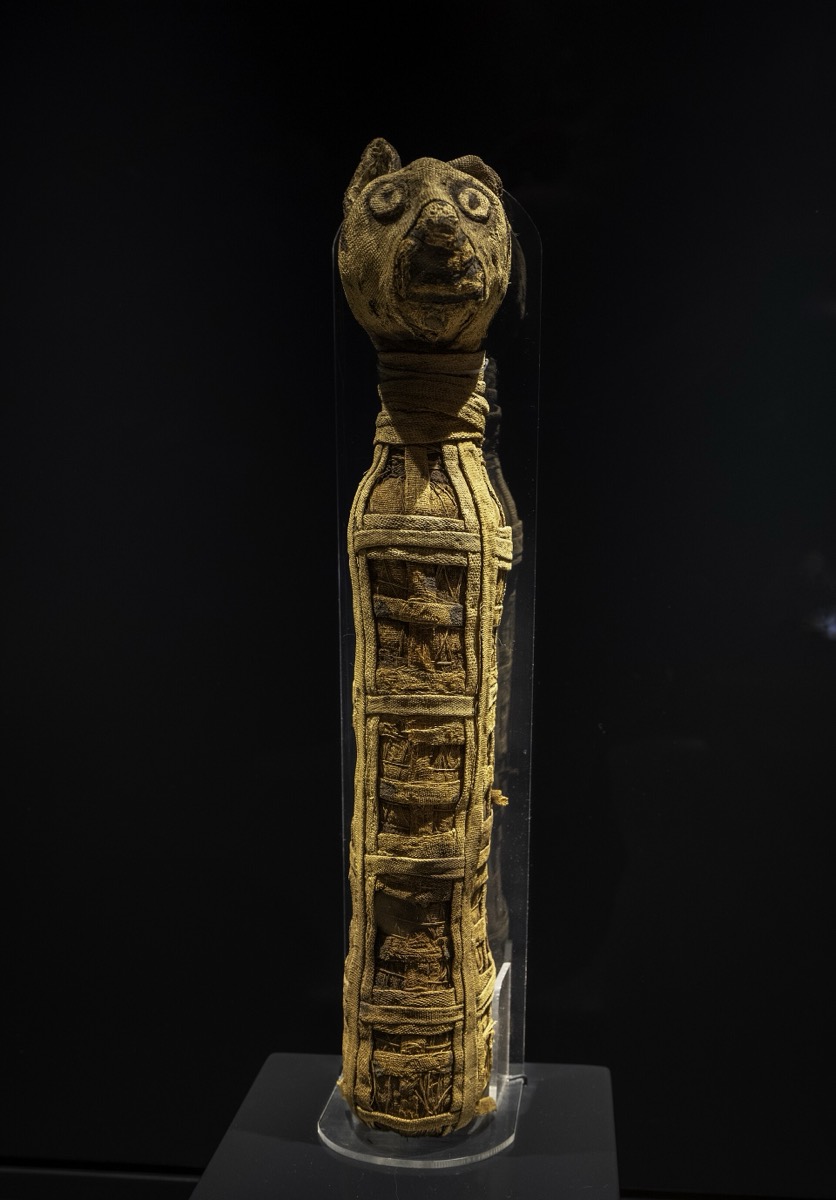
The wrappings of a hide far more than bones, and opening them means destroying them. So three animal mummies from ancient Egypt were scanned with , which produces tiny slices without touching them. What appeared inside?
Three animals, three stories. The scans identified a cat that was under five months old when it died, with a deliberately broken neck. A snake showed possible signs of and of work, and a bird’s species could be identified. The scanning speaks about how the animals were kept and how the mummies were prepared, and it does not turn every mark into a certain story.
A wrapped mummy looks from outside like a uniform object. In the past an internal examination sometimes required removing wrappings and harming the find. Micro-CT makes it possible to see the three-dimensional structure of bones and other materials without opening anything.
The team scanned three mummies: a cat, a snake and a bird. The details of the cat’s skeleton showed signs of a very young age and of a deliberate break in the neck. In the bird, the bones allowed identification at the level of species, information the wrapping alone can never give.
The snake mummy also showed desiccated tissues and signs that the researchers interpreted cautiously as evidence of the conditions in which it was kept and of embalming work. That makes it possible to ask questions about how the animals were treated before they died, and not only about the religious use of their bodies.
Three examples are not a sample of all ancient Egypt. A detailed image also does not record the event itself: a break can be clear, while the identity of the person who broke the neck and their motive are invisible in a scan.
wat. Inside an Egyptian cat mummy was a kitten under five months old with a broken neck.
wat wat
An ancient exhibit can preserve details about an animal’s life and death, and not only about the ritual it was placed in.
How do we know?
Micro-CT recorded bones, desiccated tissue and embalming materials in three different mummies, with no unwrapping.
What is still unknown
Only three mummies were examined. The state of the bones allows an inference about harm to the animal, and not about the intention of any person involved in the embalming.
Learn something?
Where to next
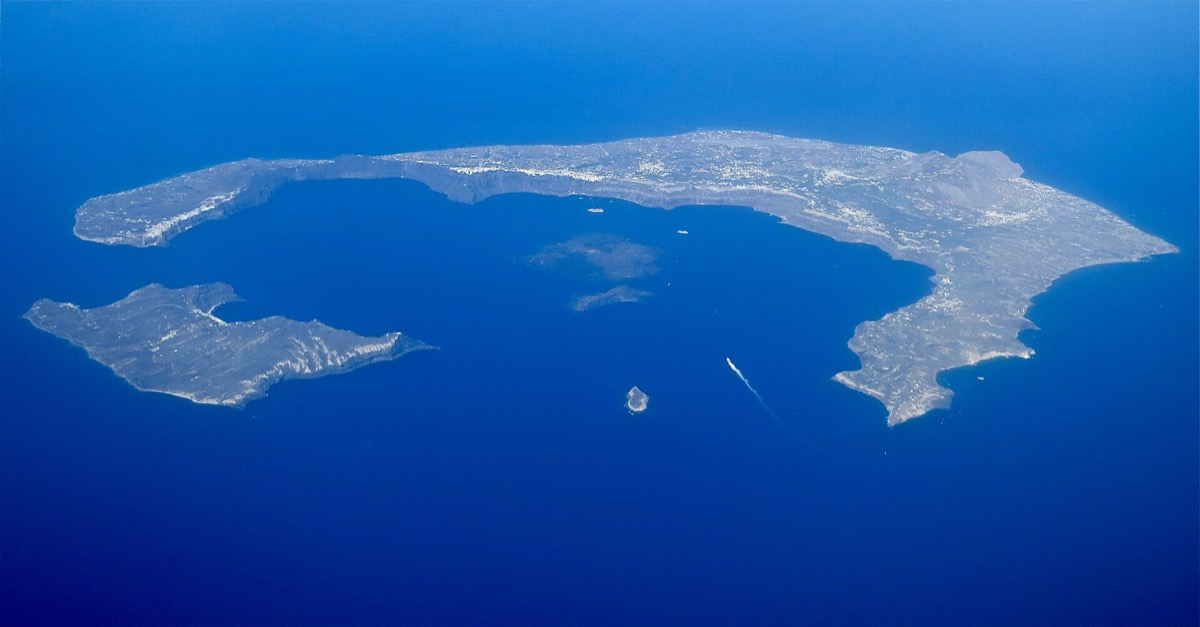 Was pharaoh Ahmose’s great storm the eruption of Santorini?ancient Egypt
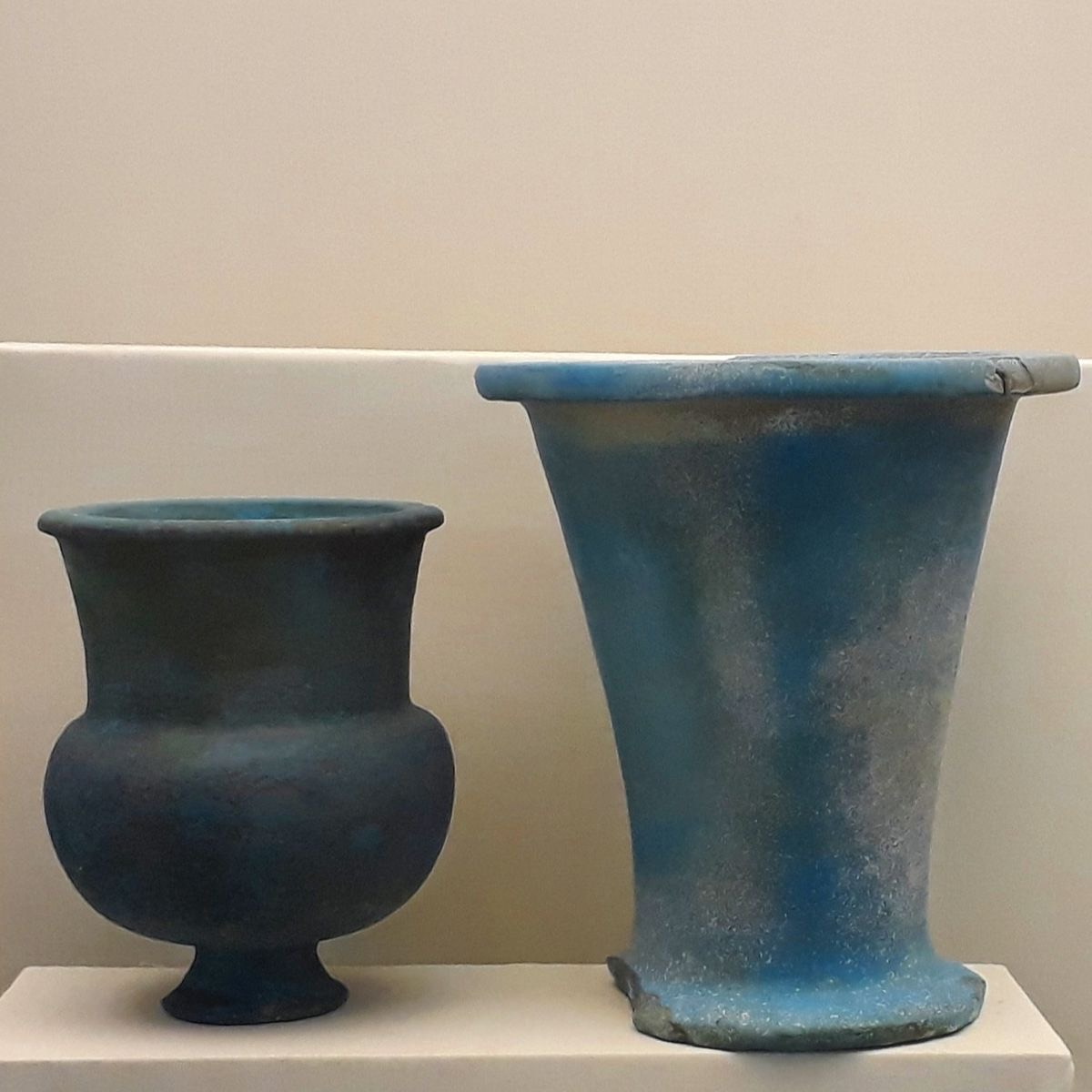 What is the oldest yellow paint anybody has identified?ancient Egypt
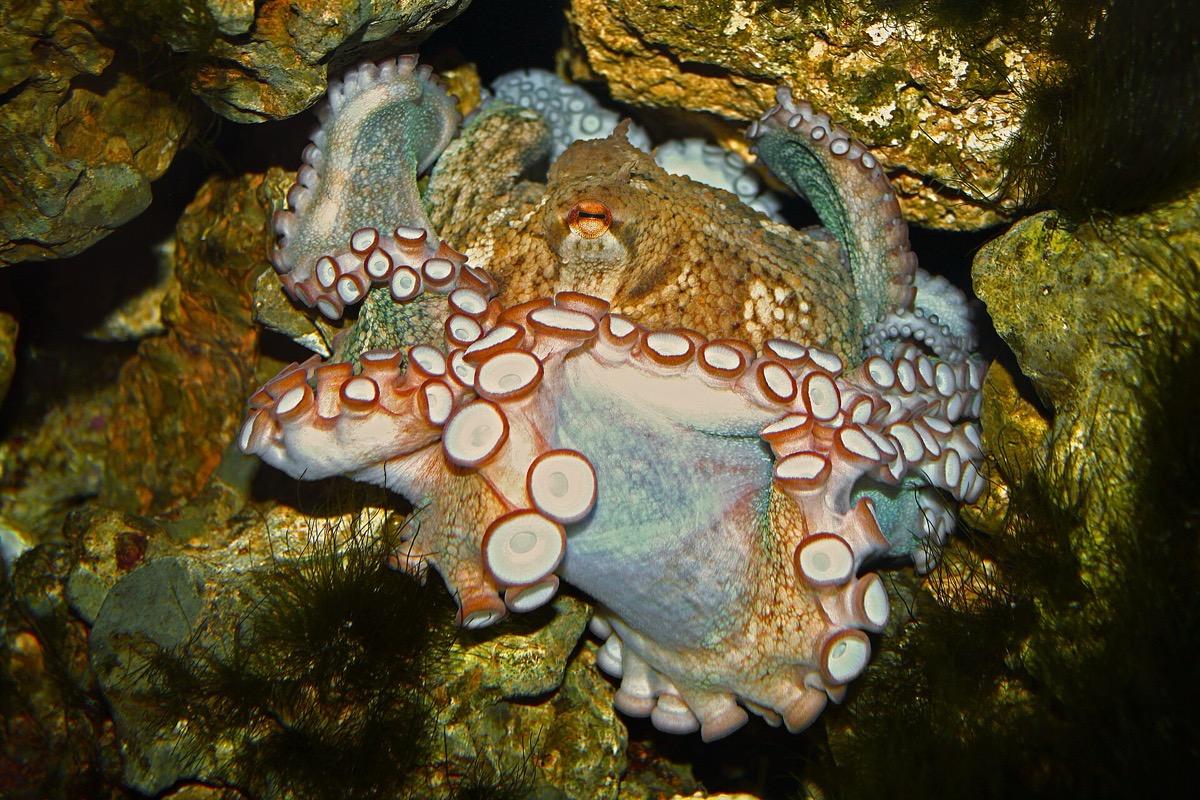 Where is most of an octopus’s brain?animals