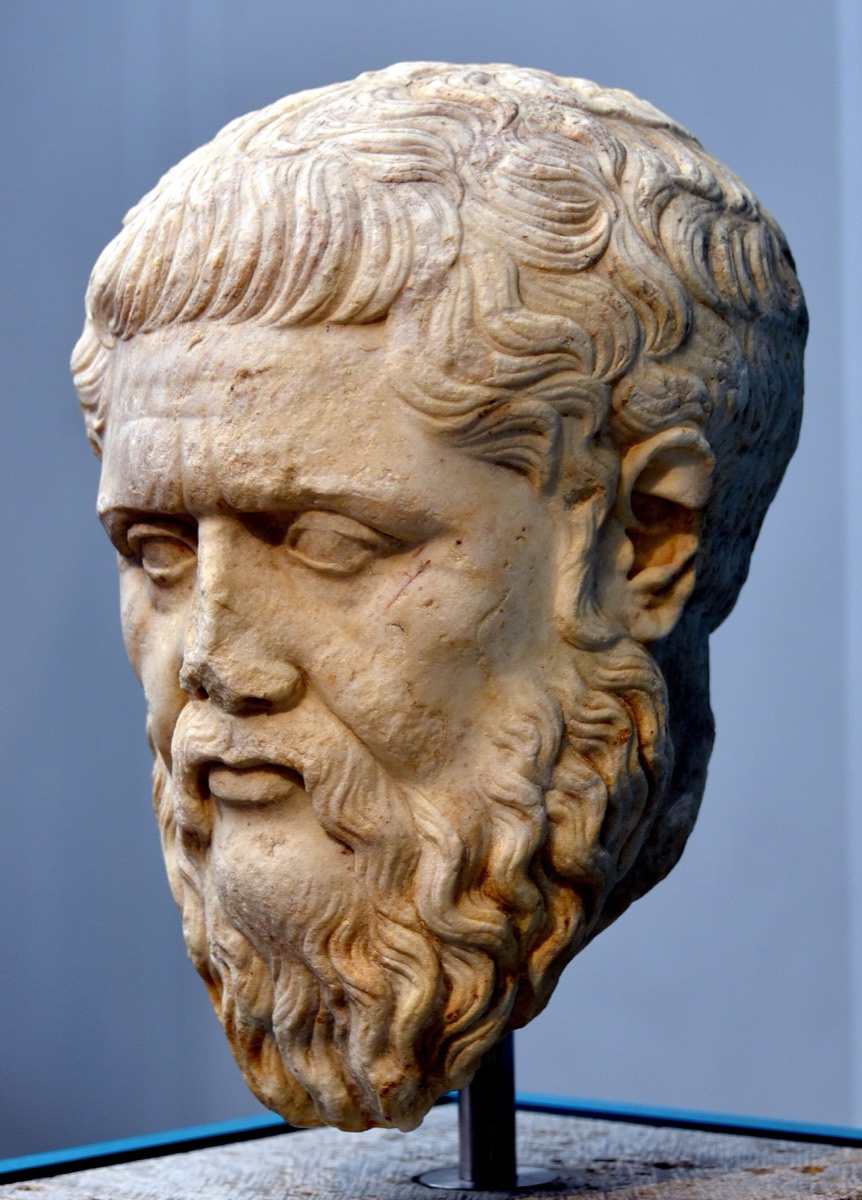
Classical sculpture reads as white because the paint is gone, and traces of it survive in quantities too small for the eye. Luminescence imaging finds them: shine the right light and certain pigments glow, revealing where decoration used to be. Two pigments have been pivotal for material, and mapping them has required two separate techniques with two different light sources. Can one setup do both?
Yes, with one light source and a filter change. The study combines visible-induced infrared luminescence with visible-induced visible luminescence to locate and , using the same system of light-emitting diodes for both and swapping only filters between modes. Trialled on three Hellenistic terracottas with well-preserved decoration in Egyptian blue and red lake, it mapped both pigments as well as the established methods.
Photo-induced luminescence imaging has been invaluable for the study of ancient , because it detects and maps materials that are often not visible to the naked eye. That includes varnishes, consolidants and organic binders, and crucially traces of pigments, both organic and inorganic, left on objects that now look like bare stone or clay.
Two pigments have been especially pivotal for works from the Hellenistic period onward: Egyptian blue and rose madder lake. The conventional way to map them digitally relies on applying two separate techniques, ultraviolet-induced visible luminescence and visible-induced infrared luminescence, each needing a different illumination source and acquisition setup.
The novel approach here combines visible-induced infrared luminescence with visible-induced visible luminescence to locate both pigments. Because the illumination in both cases is the same system of light-emitting diodes, the setup needs only minor filter changes between modes. That brings increased portability and safety compared with methods using ultraviolet radiation. Reproducibility improves too, since the object and equipment need not be moved between acquisitions.
Three Hellenistic terracottas were used to trial it, two from Canosa di Puglia in Italy and one from Myrina in Turkey, all with large well-preserved areas of decoration in Egyptian blue and red lake. Comparisons against the standard separate techniques showed the combined method efficiently detects and maps both pigments with analogous results, and the multispectral observations were verified by analysis of small pigment samples. Note what the trial material was: three objects selected for having plenty of exactly the pigments being sought.
wat. The color on a classical sculpture is still there in traces, and the right light makes two of the key pigments glow.
wat wat
Portability is the point for anybody working on collections. One light source, no ultraviolet radiation and only minor filter changes makes the method safer and easier to carry to an object that cannot travel.
How do we know?
Dyer and Sotiropoulou trialled the combined approach on three Hellenistic terracottas, two from Canosa di Puglia and one from Myrina. Results were compared against the standard separate techniques and verified by analysis of small pigment samples.
What is still unknown
A methods paper trialled on three objects, chosen because they had large well-preserved areas of exactly the two pigments being looked for. It establishes the technique works on favorable material rather than on typical material.
Learn something?
Where to next
 Why does almost every language name red before it names blue?color
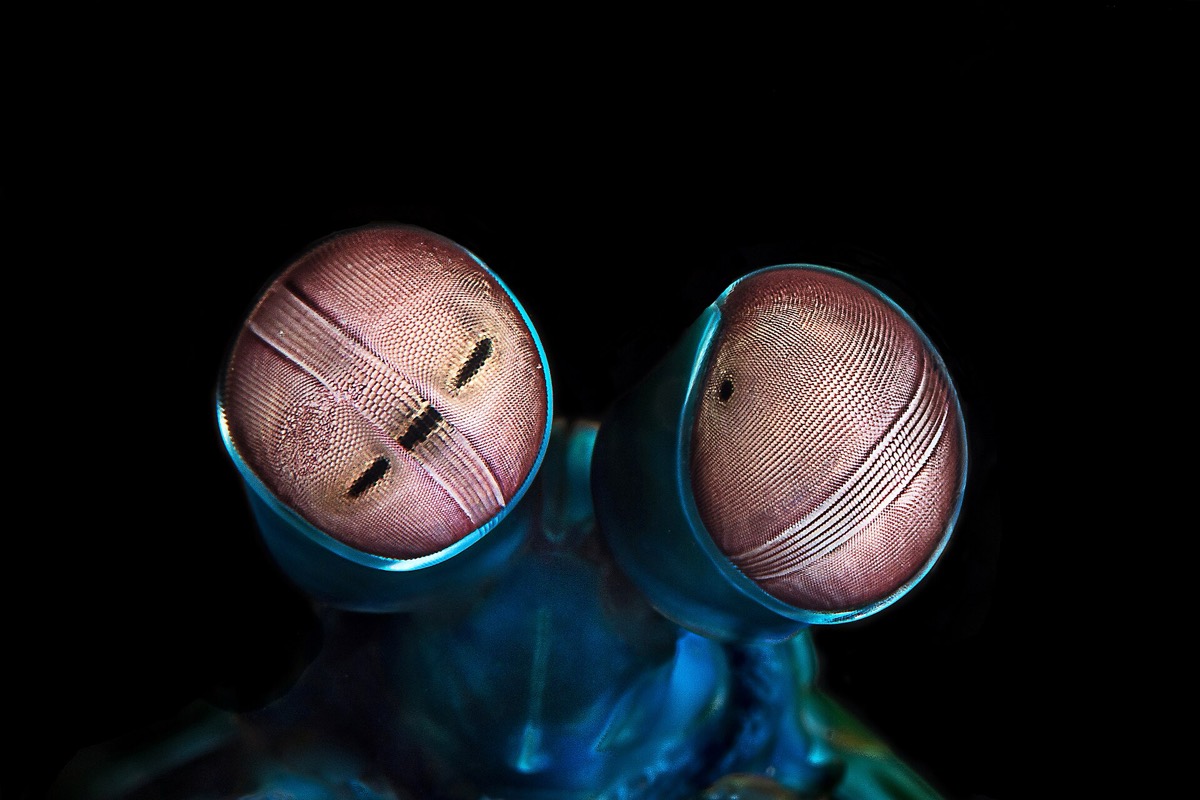 What does an eye with twelve color channels actually see?color
 How does a fish know what color it has just turned?color