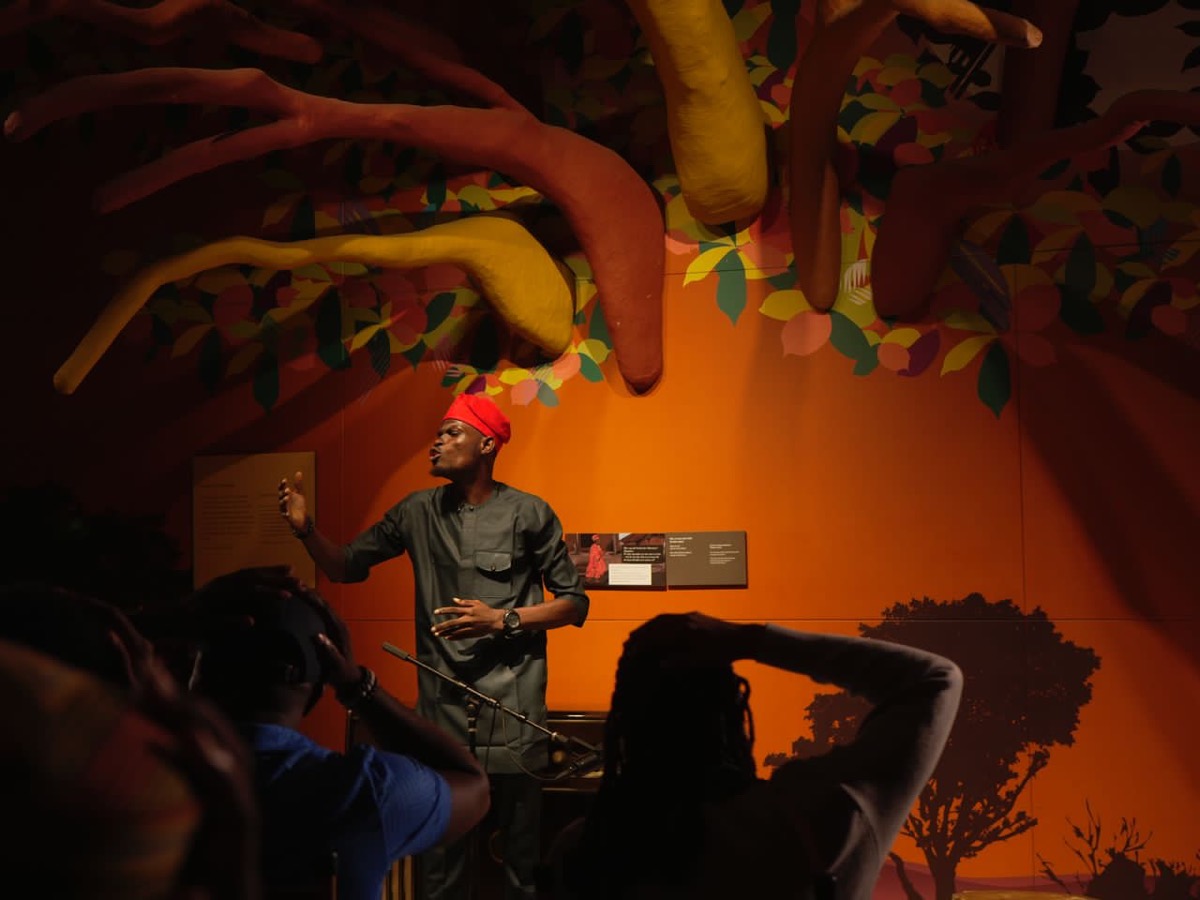
A story sounds like entertainment, which makes it hard to explain why hunter-gatherer communities invest time and respect in it. Researchers worked with people in the Philippines, examined the content of the stories, and measured cooperation in . What was linked to what?
The storytellers and the sharing. The local stories stressed sharing, equality and coordination, and camps where skilled storytellers were identified tended to show more sharing in an experimental game. The storytellers were also more sought after as partners and held an . is unclear, so this is not proof that stories alone create cooperation.
Stories cost time and energy, which raises an evolutionary question: why would a group reward someone who tells well instead of someone who brings food or builds shelter.
In Agta stories, solutions involving cooperation, equality between women and men, and punishment of selfish behavior appeared again and again. Similar messages have been found in other hunter-gatherer societies.
In camps with more skilled storytellers, participants shared more resources in an experimental game. The storytellers themselves were preferred as partners for life and work, and were linked to higher family success.
The link does not establish a direction of causation. A good social environment may be what lets storytelling flourish. Even so, it shows a possible mechanism by which a story benefits the group and rewards the person who keeps it alive.
wat. Among the Agta, good storytellers were linked to camps that shared more, and they were sought-after social partners.
wat wat
It suggests stories are not only entertainment but a way to pass on social rules and coordinate a group with no written law.
How do we know?
The researchers analyzed Agta stories, measured sharing in a resource-allocation game, and examined the standing and family success of skilled storytellers.
What is still unknown
This is observational work in one particular community; camps that cooperate may cultivate good storytellers, rather than only the other way round.
Learn something?
Where to next
 Does walking in step actually make us cooperate?cooperation
 Can a few minutes with a text change how well you read another person?literature
 What happens when a story makes you forget the room you are in?literature