Technologies for the longitudinal monitoring of a person’s health sit poorly inside clinical workflows, and have rarely produced biometric data a provider can act on. Wearables read the body from outside. Excreta carry a standard-of-care signal that currently goes straight down the drain.
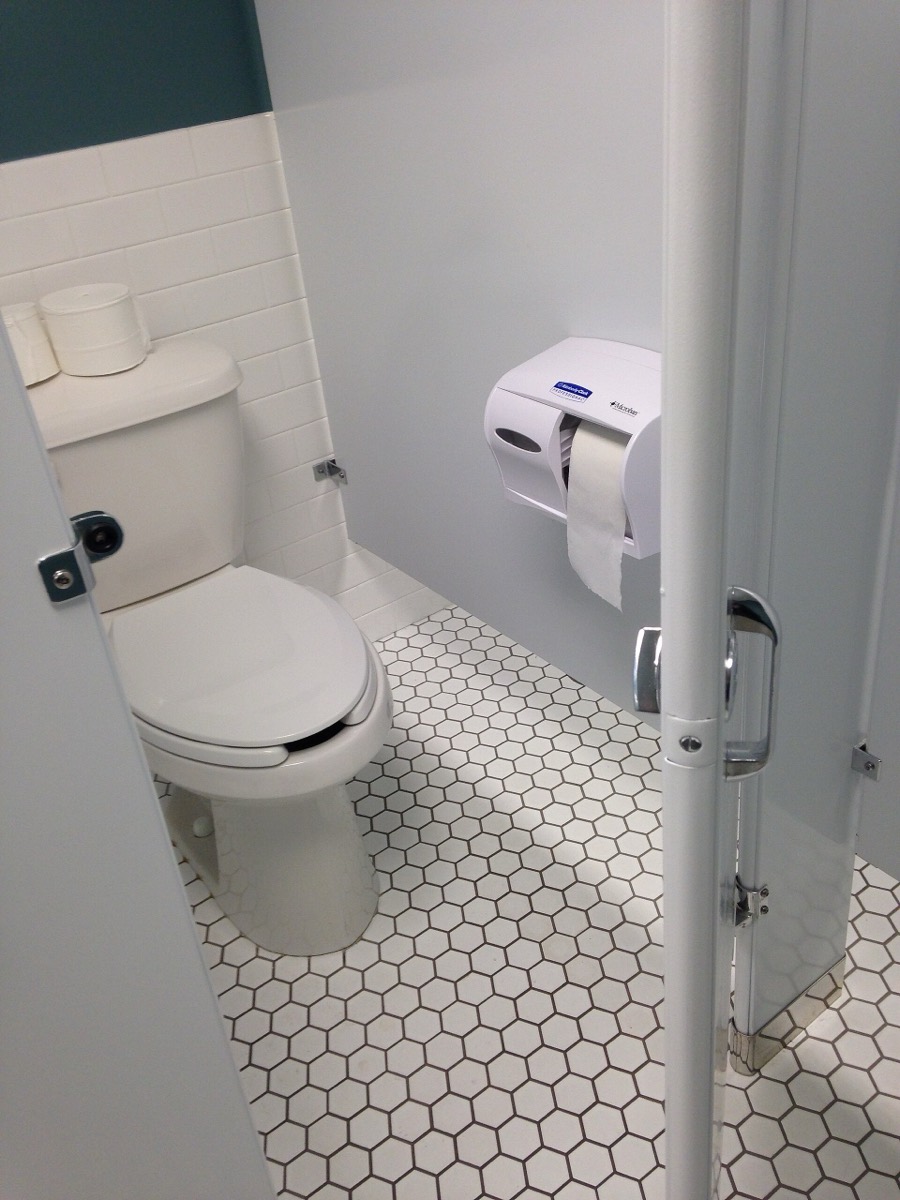
What leaves the body. A mountable toilet system reads urine with a , tracing red-green-blue values off images of urinalysis strips. It also measures flow rate and volume by computer vision as a , and classifies stool on the by deep learning, with performance comparable to trained medical personnel.
Technologies for the longitudinal monitoring of a person’s health are poorly integrated with clinical workflows, and have rarely produced actionable biometric data for healthcare providers. That gap is the reason to look at a fixture everyone already uses daily.
The authors describe easily deployable hardware and software for long-term analysis of a user’s excreta, together with models of human health. The smart toilet is self-contained and operates autonomously, leveraging pressure and motion sensors to know when it is in use.
Three measurements run in parallel. It analyzes urine using a standard-of-care colorimetric assay that traces red-green-blue values from images of urinalysis strips. It calculates flow rate and volume by computer vision as a uroflowmeter, and classifies stool according to the Bristol stool form scale using deep learning.
Identity and privacy are part of the design rather than an afterthought. Each user is identified through their fingerprint and the distinctive features of their , with the data stored and analyzed on an encrypted cloud server. The authors point to screening, diagnosis and longitudinal monitoring of specific patient populations.
wat. The toilet identifies you, then reads what you leave behind.
wat wat
A measurement that needs no appointment and no compliance is the only kind that gets taken every day.
How do we know?
Park and colleagues built self-contained hardware that operates autonomously with pressure and motion sensors, and validated each module against the relevant standard of care.
What is still unknown
The paper describes the system and its performance, not an outcome for any patient population.
Learn something?
Where to next
 What does the router in your house know about who is in the room?sensors
 Could a building panel tell you it is damp?sensors