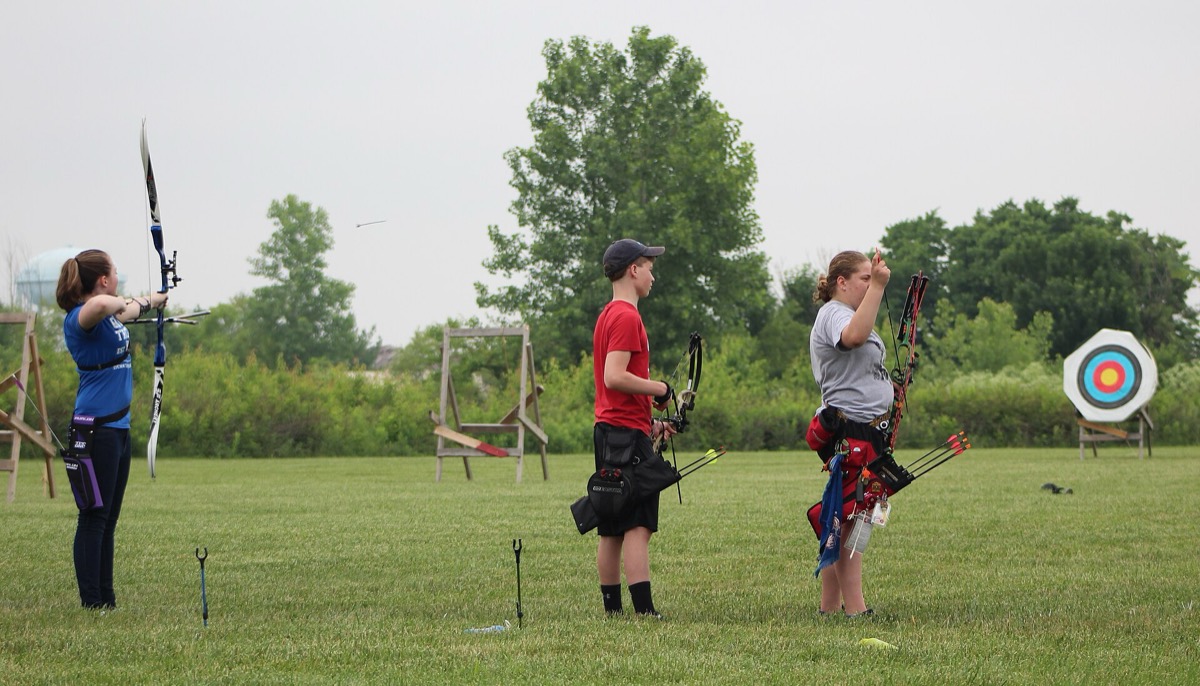
Zeno left dealing with counterintuitive aspects of continuous space and time. The arrow is the sharpest of them: at any given instant a flying arrow has one position, and at that instant it is indistinguishable from a motionless arrow in the same place. So where does the motion live?
In the limit, not the instant. The , which says a distance cannot be covered because it requires infinitely many half-steps first, waited on calculus and the proof that infinite can converge. The infinite number of half-steps is balanced by the increasingly short time each one takes.
Zeno’s paradoxes are a set of four, dealing with counterintuitive aspects of continuous space and time. They are arguments rather than observations, each built to make ordinary motion look impossible.
The dichotomy comes first. Before an object can travel a given distance it must travel half of it, and before that half of the half, and since the sequence goes on forever the distance appears untraversable.
That one has a clean answer. The resolution awaited calculus and the proof that infinite geometric series can converge, so that the infinite number of half-steps needed is balanced by the increasingly short amount of time required to traverse each distance.
The arrow is different in kind. A flying arrow has an at a given instant of time, at which it is indistinguishable from a motionless arrow in the same place. That asks what motion means inside an instant, rather than how a series sums.
wat. Infinitely many steps, each taking infinitely less time.
wat wat
A puzzle about arrows turned out to need the mathematics of limits, which took two thousand years to build.
How do we know?
Wolfram MathWorld sets out all four paradoxes and the resolutions, including which of them calculus answers and how.
What is still unknown
Calculus answers the paradoxes of motion cleanly; the arrow still raises a question about what an instant is.
Learn something?
Where to next
 Can every department admit women at a higher rate and the university still not?paradox
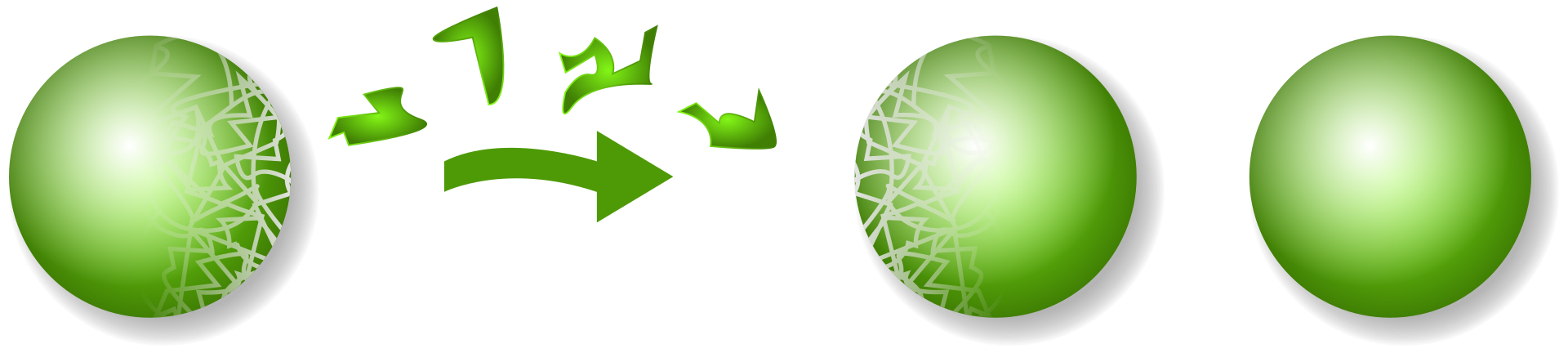 Can one ball be cut up and reassembled into two of the same size?paradox
 After the host opens a door, does switching help?paradox