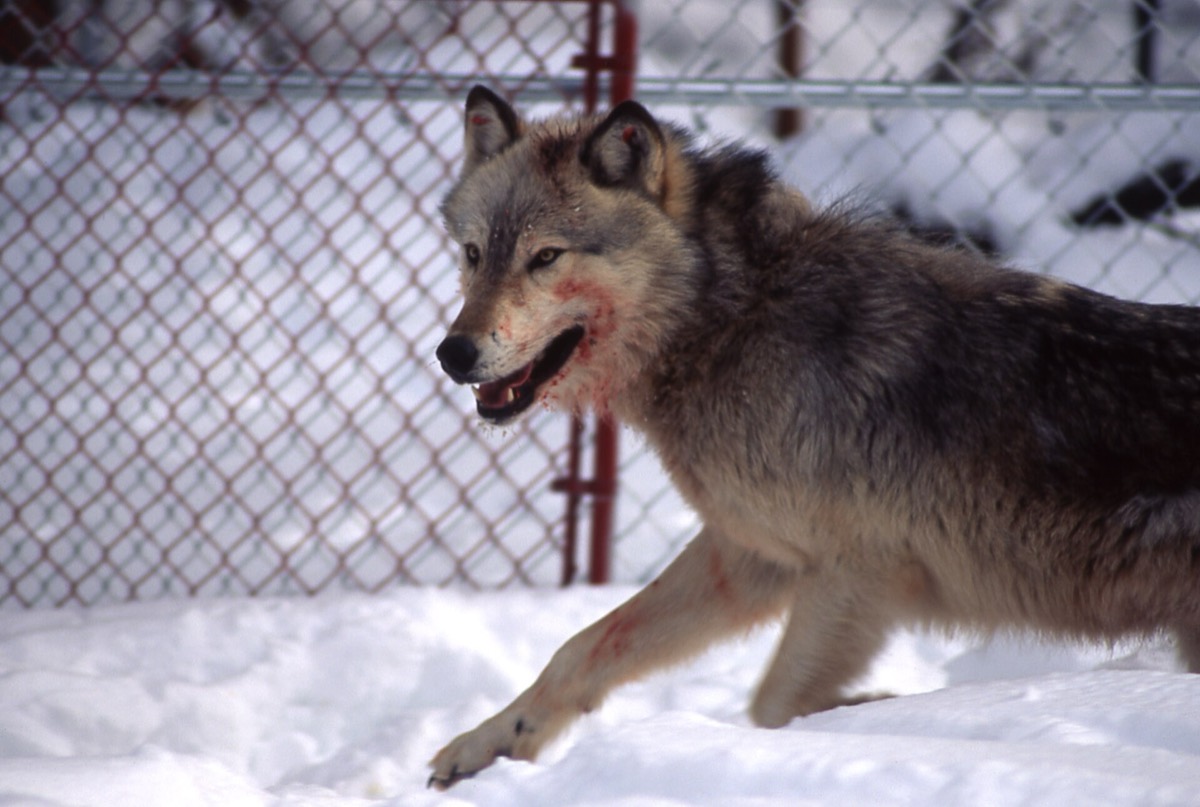
The familiar story says that returning wolves to Yellowstone thinned the elk herds, which let the trees grow, which stabilized the riverbanks and changed where the rivers ran. That is too good a story not to check, so researchers went back to the data. What held up?
The first link and not the last. Wolves are only one of several predators pressing on the elk, alongside bears, mountain lions and coyotes, and hunting, drought and weather all changed at the same time. A 2021 study also showed that the original sampling measured only the five tallest trees in each plot, a that overstated the recovery. A measure like that rises even when most seedlings are being trampled.
The familiar version is remarkably clean, and it is a in five links. In 1995 wolves were returned to Yellowstone, they thinned the elk herds, the trees along the streams grew back, the banks stabilized, and the rivers changed course. One predator reshaping a whole landscape.
The criticism does not claim the wolves had no effect; it checks each link in the chain. The first link is already a problem. share the work, with bears, mountain lions and coyotes alongside the wolf, while hunting, drought and weather changed too.
The second link was examined in work from 2021, and the finding there is sharp. The original sampling measured, in each plot, only the five tallest trees, which is to say the most successful individuals. A measure like that rises even when most seedlings are trampled, so it overstated the recovery.
What stands is that the reintroduction affected the system, and the dispute is over the strength and over whether the effect reached the rivers. And why this matters beyond Yellowstone: when an ecological finding is shortened into , one memorable chain, the crack damages trust in the real finding underneath.
wat. The original method measured only the five tallest trees in each plot, and so overstated the recovery.
wat wat
The case is a warning against turning a complicated ecological finding into too clean a story, even when the story serves a conservation aim we support.
How do we know?
Researchers at Colorado State University went back over twenty years of data on streamside vegetation in the park, and examined the sampling method the original conclusions rested on.
What is still unknown
None of this says the reintroduction was worthless. There is agreement that it affected the system, and the dispute is over the strength of the effect and whether it reached as far as the rivers.
Learn something?
Where to next
 Do trees really help each other underground?ecology
 How do sea otters save kelp forests without touching them?ecology