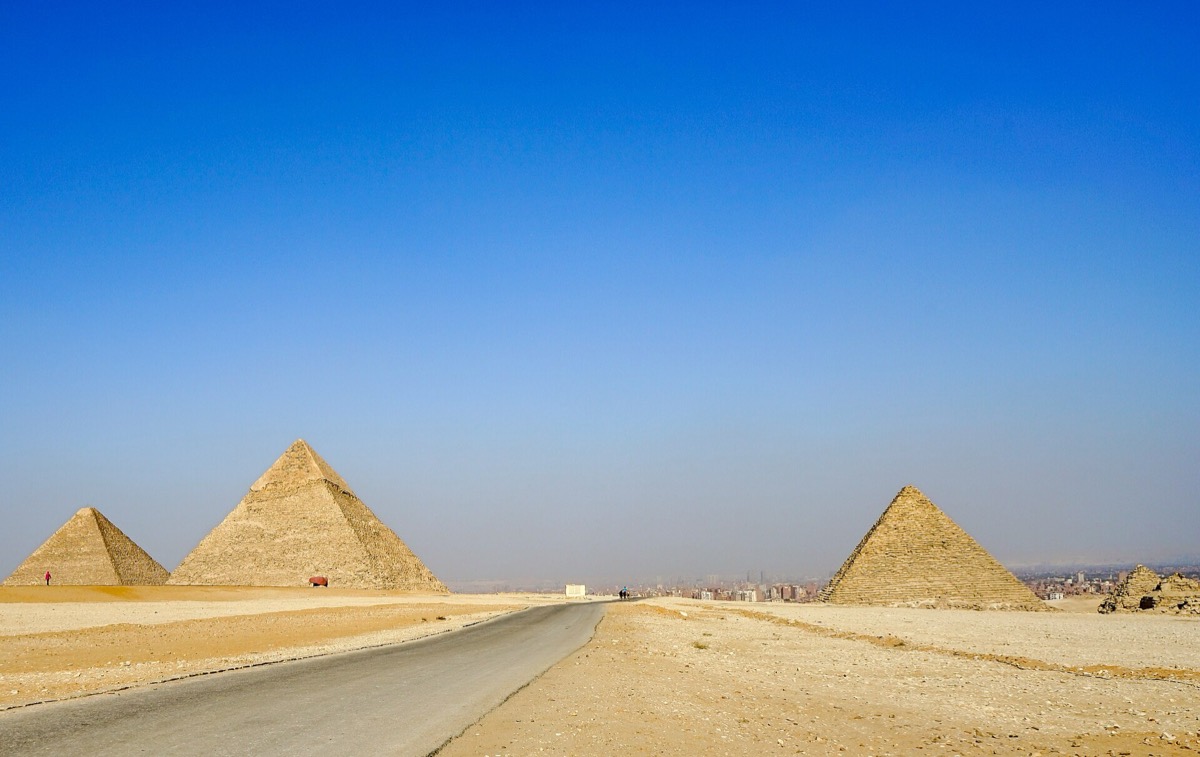
The familiar story of slaves driven to build the pyramids comes from sources written far later, not from the period of construction. At , excavators found a large settlement right beside the pyramids, and the builders lived in it. What was in it?
Curiosity counts. Here is the answer.
The settlement excavated beside the pyramids contains bakeries on an enormous scale and the bones of cattle, sheep and goats, meaning a steady supply of bread and meat. Cattle are expensive to raise, so feeding them to a workforce is an investment in it. This describes this site, not the whole of Egypt, and it does not rule out forced labor in other contexts.
The settlement held buildings in a planned layout and turning out bread on an enormous scale. Beside them lay the bones of cattle, sheep and goats, in quantities that point to a steady meat supply. That is how you feed a workforce you need to keep. It is not how anyone feeds people held by force.
The picture everyone carries is of massed slaves under the whip. It did not come from the period of construction. It came from historians writing hundreds and thousands of years afterwards, and from the movies.
What was excavated at Giza is something else: a large settlement right beside the pyramids, with buildings in a planned layout. Somebody decided in advance where the people doing the building would live, and not only what the pyramid would look like.
Inside it were bakeries producing bread on an enormous scale, identified by built ovens and uniform clay molds found in their dozens. Beside them lay the bones of cattle, sheep and goats, in quantities indicating a regular meat supply. That is the kind of count turns into an estimate of what was served. Cattle are expensive to raise, and whoever feeds them to a workforce is investing in that workforce.
That is how you feed an organized labor force that is worth something to you, rather than people who were coerced and left to manage. The qualification matters: these finds describe who lived at this site in this period, and they do not rule out that forced labor existed in ancient Egypt in other contexts. Set against written millennia afterwards, the ground is the better witness.
wat. Beside the pyramids at Giza lies a builders’ settlement with industrial bakeries and cattle bones. That is how a workforce gets fed.
wat wat
The picture of massed slaves under the whip came from later historians and from the movies. What is in the ground describes organization rather than coercion.
How do we know?
Excavators mapped the remains of the buildings, identified baking facilities from the ovens and pottery found inside them, and counted animal bones, which is how archaeozoology estimates what was served and on what scale.
What is still unknown
These finds describe the people who lived at this site in a particular period. They do not rule out forced labor elsewhere in ancient Egypt or in other contexts.
Learn something?
Where to next
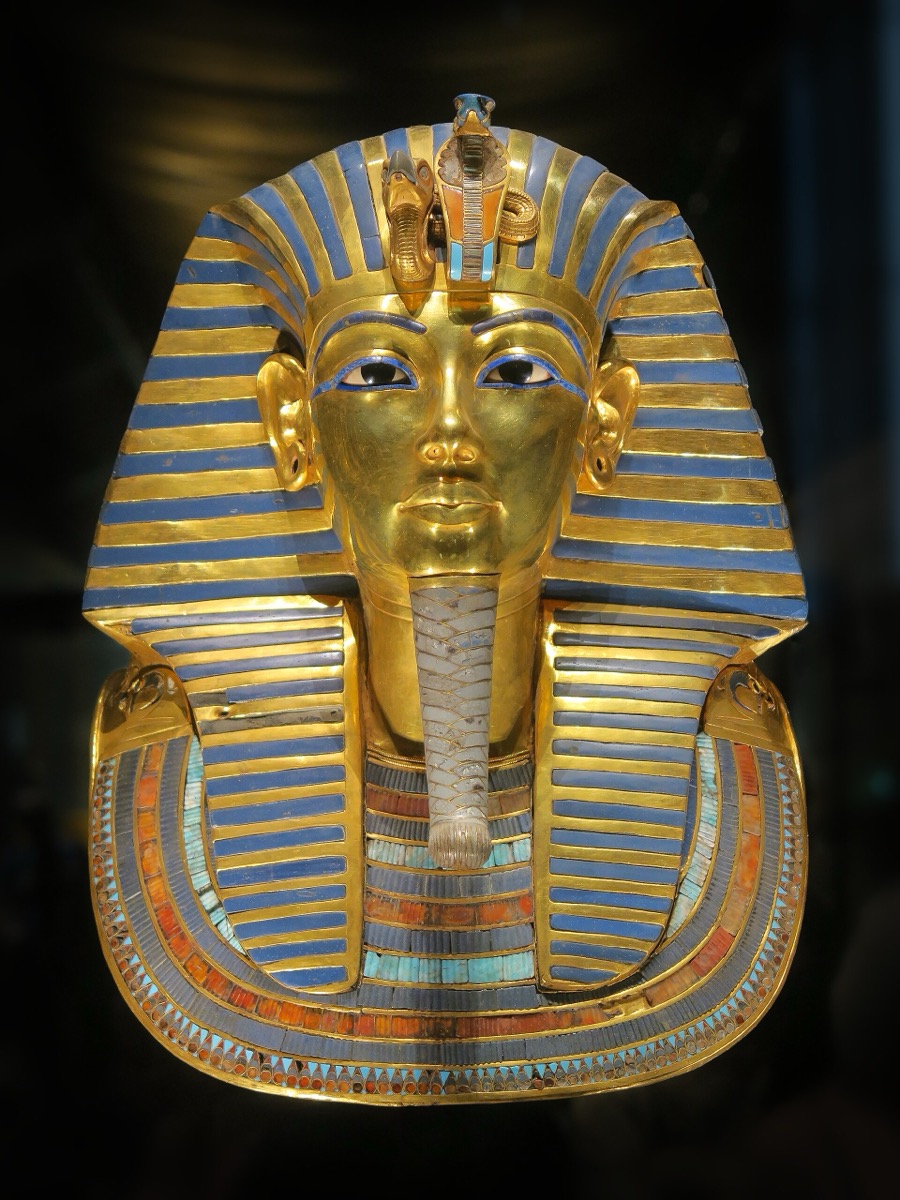 Why did Howard Carter wait five years to dig the most promising spot he had?excavation