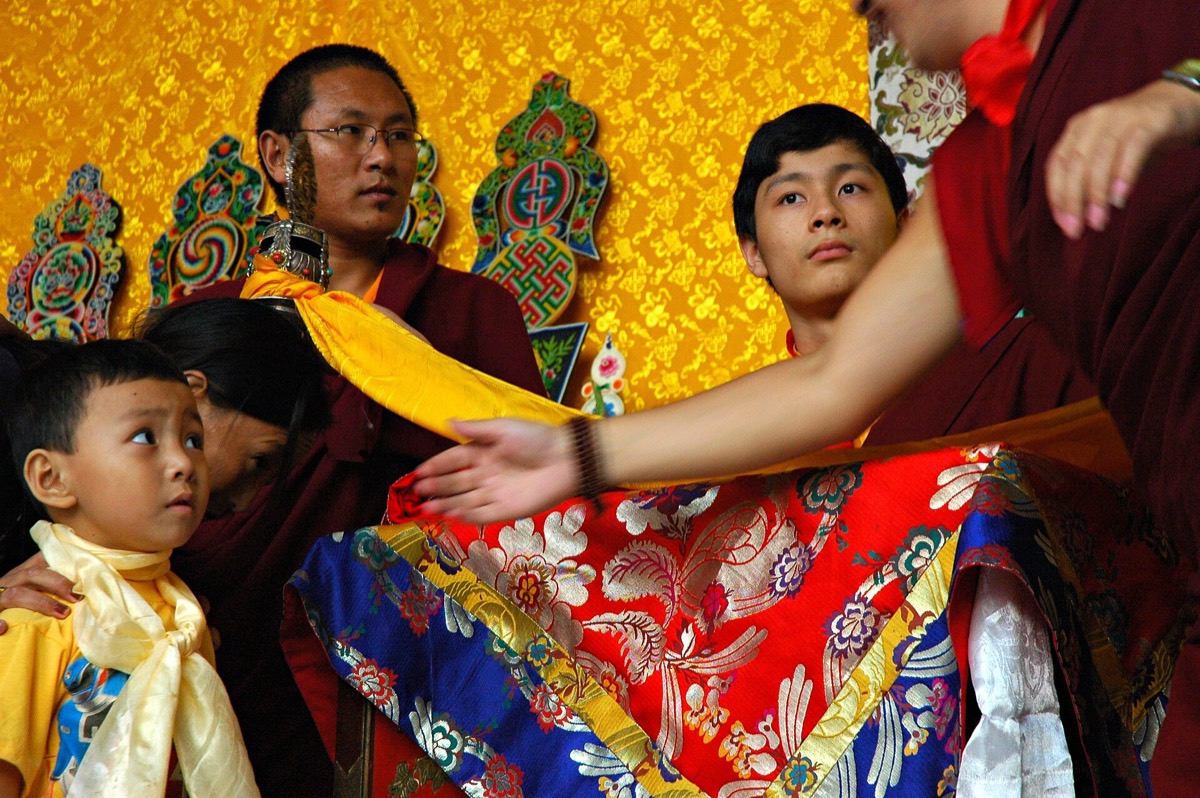
Recognizing young children, mostly boys, as the reincarnations of masters who have died is one of the defining characteristics of Tibetan Buddhism. Since the tradition reached the West, a small handful of Westerners have been recognized this way. The system assumes a monastery raises the child. What did these children do?
Most of them left. Many or all of the recognized Westerners have chosen lives outside the of their predecessors, working in Western societies instead, and that has produced mixed feelings inside the Tibetan Buddhist community. A tradition built on continuity now has heirs who did not stay.
Tibetan Buddhism recognizes young children, predominantly boys, as the reincarnations of masters who have died. The practice solves a real problem of succession, since a teacher leaves behind a role, a body of students and a monastery, and the recognized child grows into all of it.
When the tradition moved West it brought this with it, and a small handful of Westerners have been recognized as of Tibetan masters. The chapter pays particular attention to the education and these children receive, which is where the Western version starts to differ.
Then most of them walked. Many or all of the recognized Westerners have chosen to lead lives outside the monastic communities of their predecessors, and to work in Western societies, which has produced mixed feelings within the Tibetan Buddhist community.
What this leaves open is the future of Westerners within the tradition, which is the question the chapter ends on. A handful of cases cannot settle it, and they do show that recognition and the institution it feeds can come apart once the child has somewhere else to go.
wat. The Western tulkus were recognized as re-embodiments of Tibetan masters, and then mostly built lives outside the monastery.
wat wat
An institution survives by reproducing itself, and here the question is whether it can reproduce in a society that offers the heir other options.
How do we know?
Ary gives particular attention to the education and upbringing these children receive, and to their later choices to leave the monasteries, then asks what follows for the place of Westerners in the tulku tradition.
What is still unknown
This is a small handful of cases discussed in one chapter, not a survey, and the chapter studies the Western end of the tradition rather than the tradition as a whole.
Learn something?
Where to next
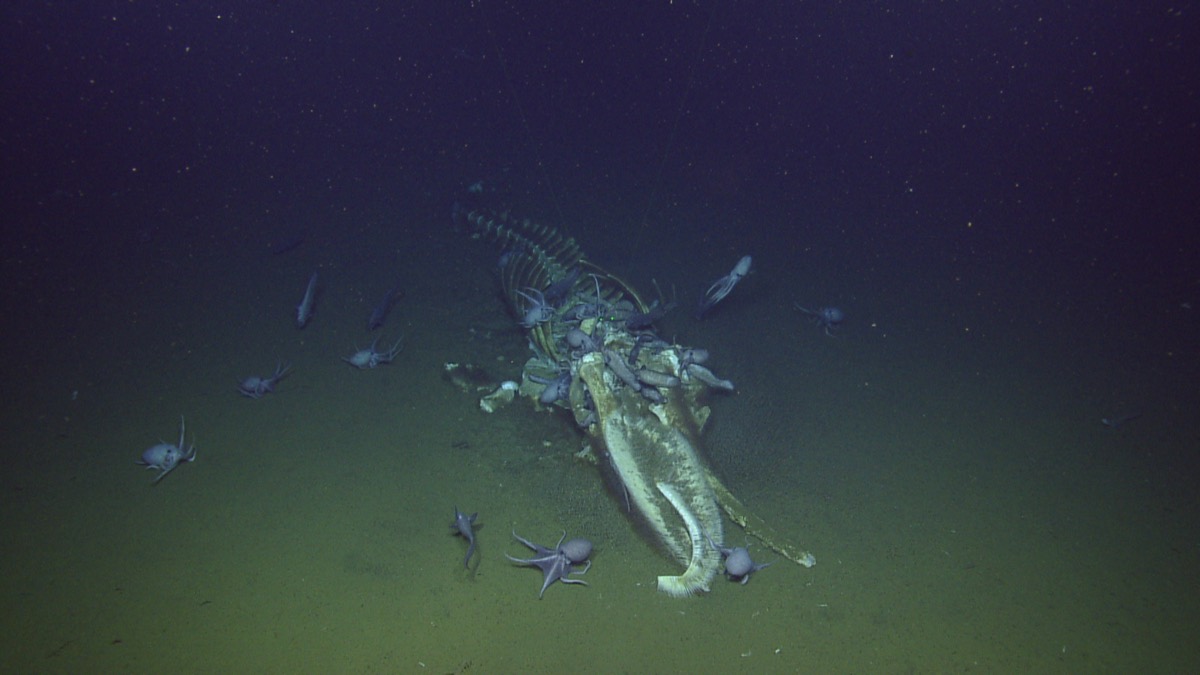 What happens on the seabed when a whale dies?succession