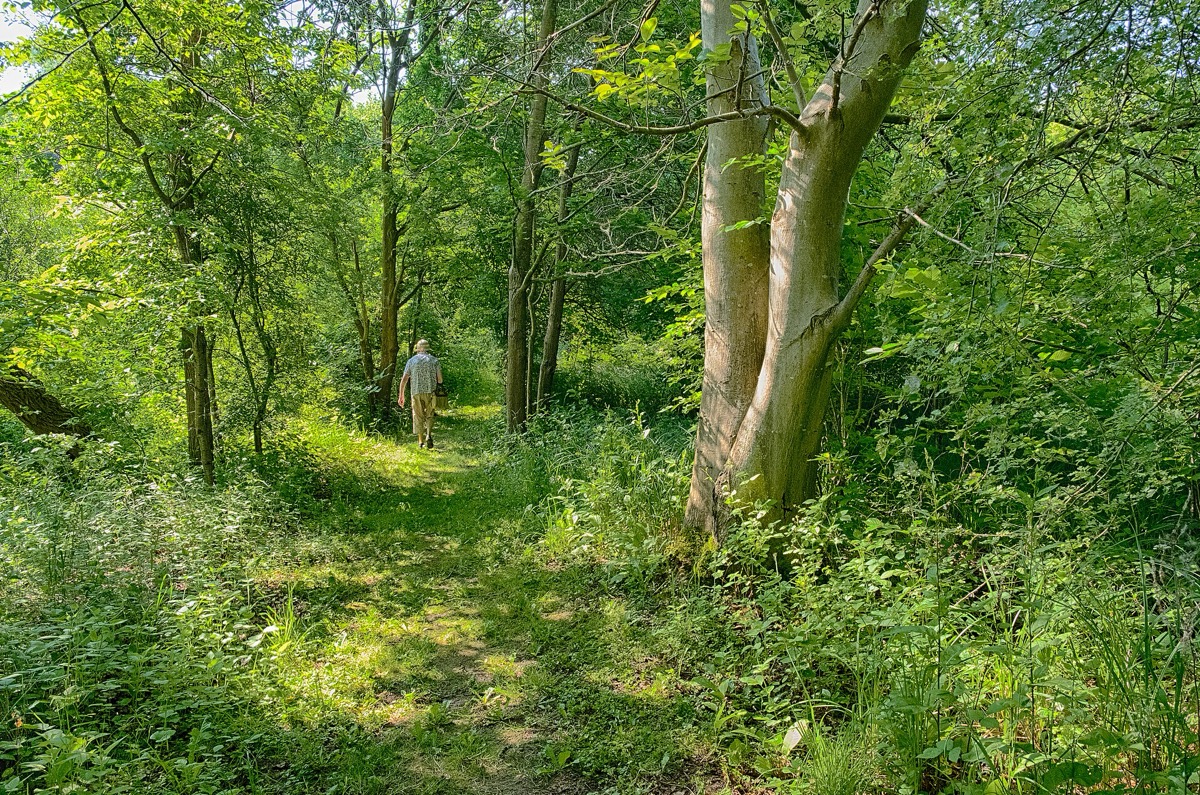
Physical activity guidelines for type 2 diabetes specify how much to walk and say nothing about when. If the point is managing the glucose rise after eating, the timing ought to matter. So 41 adults with type 2 diabetes did two weeks of advice to walk 30 minutes a day, and two weeks of advice to walk 10 minutes after each main meal, with continuous glucose monitoring. Both met the guidelines.
Walking after meals did better on the same total minutes. The incremental area under the glucose curve over the three hours after a meal was significantly lower when participants walked after eating rather than once a day. The ratio of geometric means was 0.88, with a 95 percent interval from 0.78 to 0.99. The effect was most striking after the evening meal, at 0.78, where carbohydrate intake and sitting were highest.
Regular physical activity is a cornerstone of diabetes management, and the guidelines specify a quantity without specifying a schedule. Since much of the benefit concerns the glucose rise after eating, the obvious question is whether putting the activity next to the meals does more than spreading it anywhere in the day.
A total of 41 adults with type 2 diabetes took part, mean age 60 years and mean diabetes duration ten years, in a study. For two-week periods, advice to walk 30 minutes each day was compared against advice to walk for 10 minutes after each main meal. Both sets of advice met the current physical activity guidelines, so the comparison is about timing and not about dose.
tracked activity across the full intervention, and continuous monitoring recorded glucose at five minute intervals over seven days. The primary outcome was during the three hours after a meal, assessed as the .
That area was significantly lower when participants walked after meals, with a ratio of geometric means of 0.88 and a 95 percent interval from 0.78 to 0.99. The improvement was particularly striking after the evening meal, at a ratio of 0.78, roughly when the most carbohydrate was consumed and sedentary behavior was highest. The authors argue guidelines should be amended to specify post-meal activity. One participant died during the 30 day washout between interventions, which the authors judged not attributable to the study.
wat. Splitting the same daily half hour into three short walks after meals lowered the glucose rise, most of all after dinner.
wat wat
It is the same thirty minutes either way. Moving the walk rather than adding to it improved postprandial glucose, which is the cheapest kind of improvement a guideline can deliver.
How do we know?
Reynolds and colleagues ran a randomized crossover study in 41 adults with type 2 diabetes. Two weeks of advice to walk 30 minutes daily was compared against two weeks of advice to walk 10 minutes after each main meal, with accelerometry and continuous glucose monitoring.
What is still unknown
Forty-one adults, two weeks per arm, and the outcome is postprandial glucose rather than any complication of diabetes. One participant died during the washout period, which the authors judged unrelated to the study.
Learn something?
Where to next
 How often do you need to get up from a desk for it to matter?walking
 Is a walk better for your attention if you take it outdoors?walking
 How does a pregnant woman stay upright with the weight out front?walking