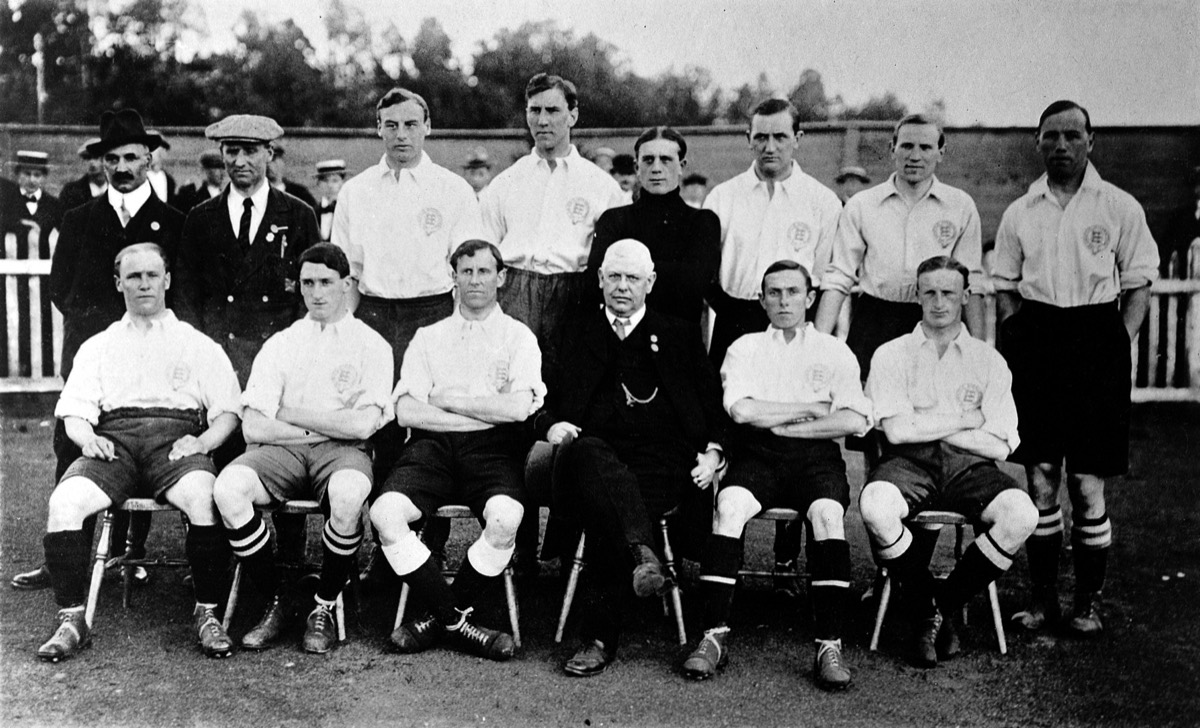
Physical activity is good for mental health, which is settled enough to be on a prescription pad. Sport is a subset of physical activity with something extra attached: other people, a club, a fixture list, a role. If that extra matters, sport should show alongside the mental health ones. So a searched nine databases and pulled the studies on adults. What did the evidence support?
Better mental health, with social outcomes alongside. The review found participation in sport, at community and elite level, related to better mental health, including improved such as higher self-esteem and life satisfaction. The social outcomes are what distinguish sport from exercise in general, and they informed the authors’ Mental Health through Sport conceptual model for adults, built out of the 29 included studies.
Sport is a subset of physical activity, and it carries particular benefits for short and long-term physical and mental health as well as for social outcomes in adults. That last category is why the distinction from exercise is worth drawing, since a treadmill delivers the activity without the club.
This study presents an updated systematic review of the mental health and social outcomes of community and elite-level sport participation for adults. Nine electronic databases were searched, with studies published between 2012 and March 2020 screened for inclusion. Both qualitative and quantitative studies were eligible, provided they reported on the relationship between sport participation and mental health or social outcomes.
The search located 8,528 articles, of which 29, involving adults aged eighteen to eighty-four, were included for analysis. was assessed using the Quality Assessment Tool for quantitative studies or the Critical Appraisal Skills Programme for qualitative ones. Results were presented according to study design rather than pooled into a single number.
The evidence indicates that participation in sport, at community and elite level, is related to better mental health, including improved psychological well-being such as higher self-esteem and life satisfaction. Those findings informed the authors’ Mental Health through Sport conceptual model for adults. Read the strength of it carefully: 29 studies of mixed design, synthesized narratively, covering sport participation broadly rather than comparing team sport against individual sport.
wat. Across twenty-nine studies, playing sport tracked better mental health and brought social outcomes that exercise alone does not supply.
wat wat
It separates the dose from the setting. Exercise can be done alone on a treadmill, and if the social side of sport carries part of the benefit, the two are not interchangeable prescriptions.
How do we know?
Eather, Wade, Pankowiak and Eime searched nine electronic databases for studies published between 2012 and March 2020. Screening 8,528 articles left 29 covering adults aged eighteen to eighty-four, with risk of bias assessed by study type.
What is still unknown
Twenty-nine studies of mixed design, qualitative and quantitative, pooled narratively rather than statistically. The review covers sport participation broadly and does not isolate team sport against individual sport.
Learn something?
Where to next
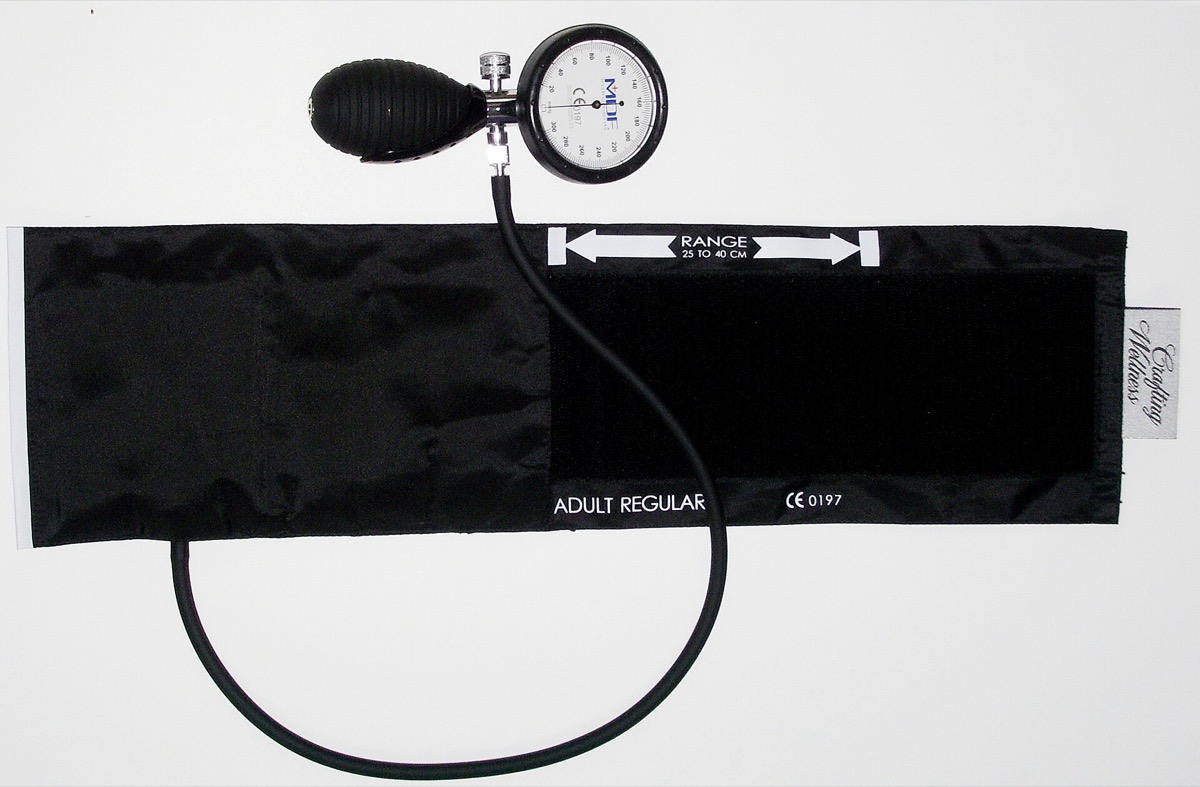 Does tightening a pressure cuff before training really improve performance?sport
 Does climbing chalk really help you hold on to rock?sport
 What changed in football when the stands emptied?sport