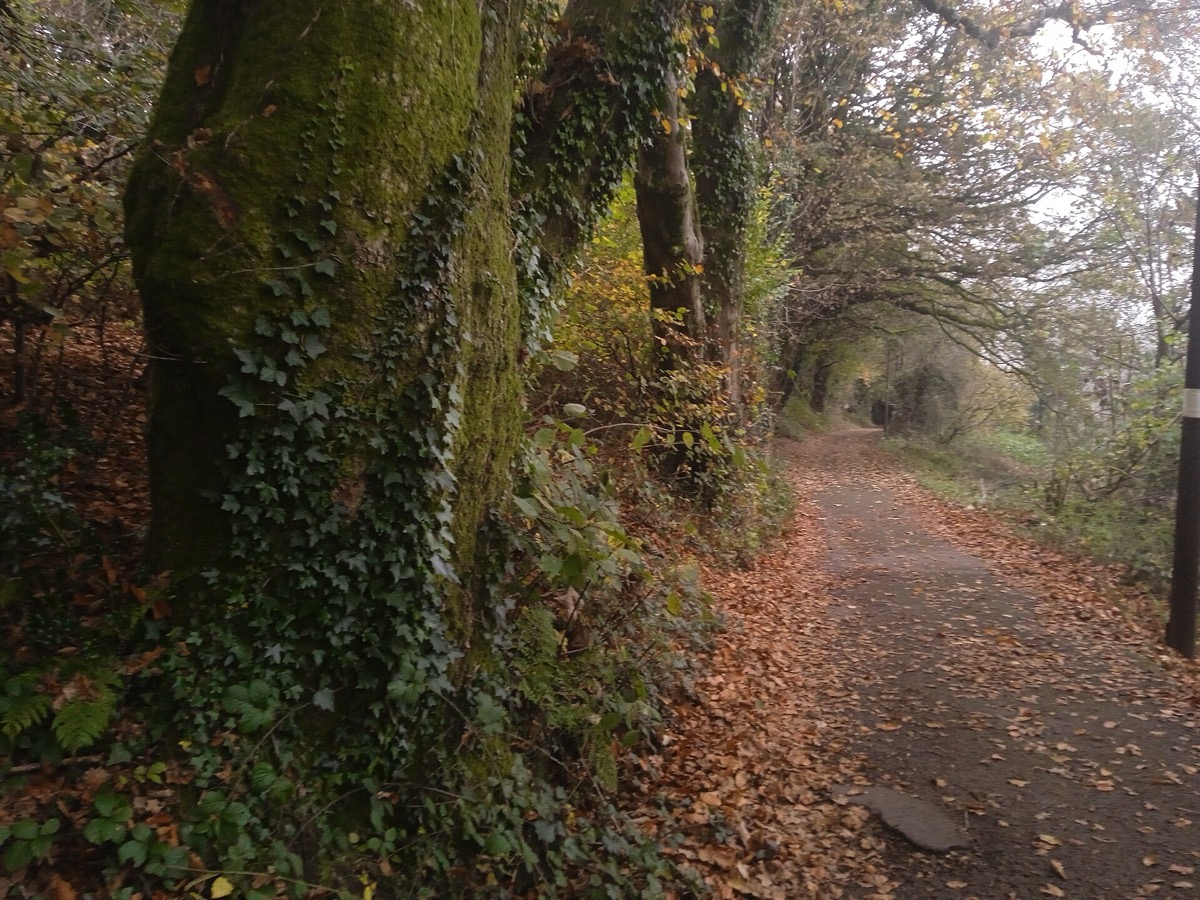
sounds like a journey with a , and that is the assumption almost nobody checks. Researchers asked dozens of walkers on in Norway why they set out. What did they answer?
Mostly about themselves. The 53 walkers described a wider picture: the prominent motives were inner reflection, health, nature, meeting people or a wish to walk alone. Spiritual and religious reasons appeared, and they did not dominate. For some of them the route was a space for personal change or for a transition between periods of life.
The researchers did not ask anyone to pick one reason from a list. let participants explain a combination of health, nature, company, solitude and meaning.
The religious motives did not vanish. They simply appeared alongside a wish to slow down, to step out of a routine or to go through a personal process.
A long journey on foot creates a different frame from an ordinary holiday: the body works, the pace is slow and the destination gives the days a sequence and a meaning.
The work does not prove the walking healed the participants. It describes why they set out and what they hoped to find on the way.
wat. On the St Olav Way, many walked to think, to recover or to be in nature, and not only for a religious reason.
wat wat
An ancient route can keep its religious identity and at the same time serve modern needs of slowing down, of nature and of personal searching.
How do we know?
Researchers analyzed open-ended answers from 53 walkers from 13 countries and classified the motives that recurred in what they wrote.
What is still unknown
This is a small sample of people who chose one particular Norwegian route; motives on the Hajj, on the Camino or on other journeys may be different.
Learn something?
Where to next
 Can a month inside a dense crowd actually improve how you feel?pilgrimage
 Why do we feel small in front of an enormous view?journey
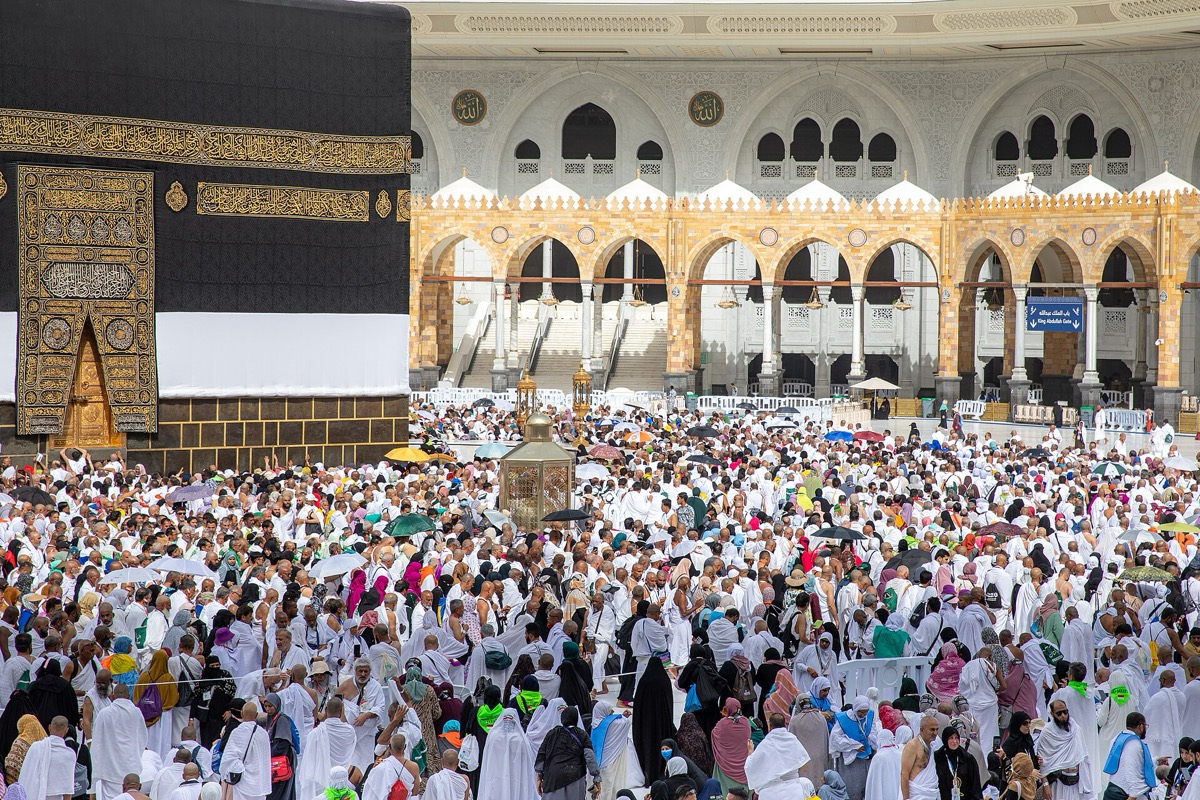 What exactly does a pilgrim do on the hajj?pilgrimage