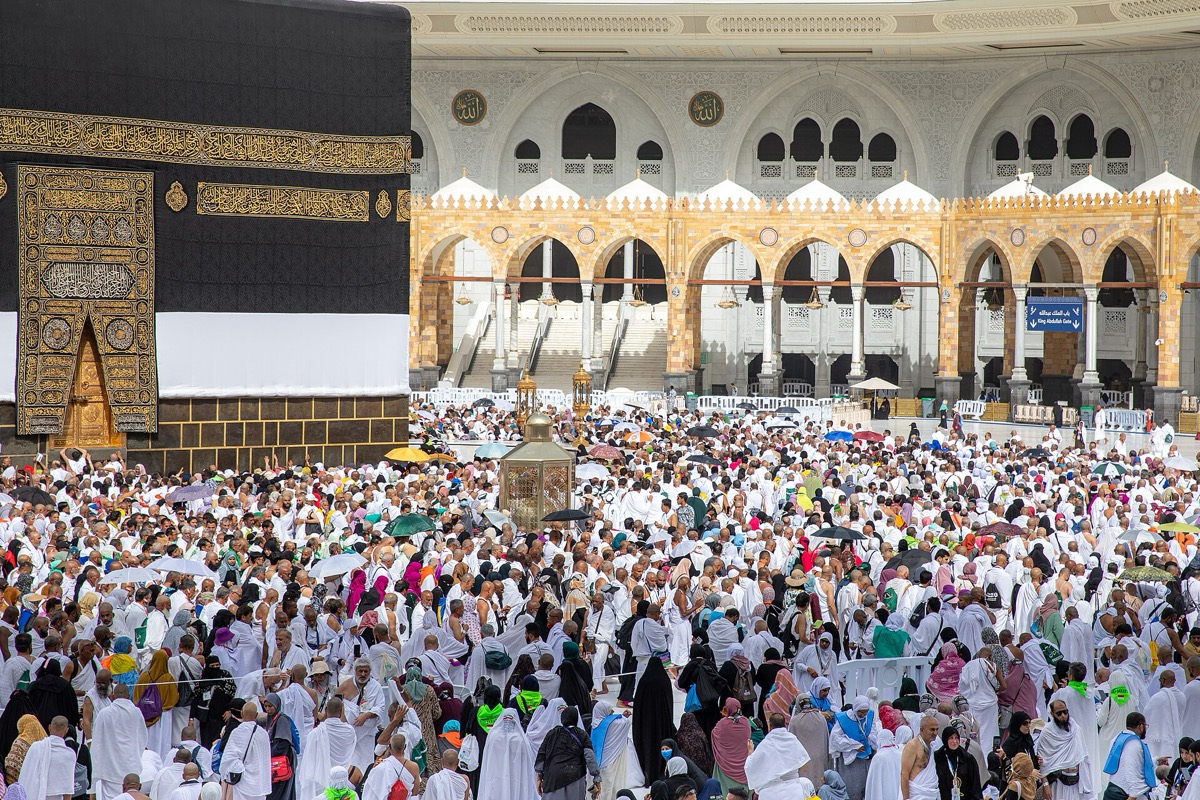
The hajj is the pilgrimage to Mecca that every adult Muslim must make at least once, and the fifth of the Five Pillars of Islam. From outside it looks like one enormous crowd around one building. It is in fact a fixed sequence of separate acts, spread over six days and several places.
A specific itinerary. The rite runs from the 7th to the 12th day of Dhu al-Hijjah. A pilgrim enters about 10 km from Mecca, circles the seven times, then runs seven times between Safa and Marwah. Later stages visit Jabal al-Rahmah, Muzdalifah and Mina, with an animal sacrifice, seven stones thrown at each of three walls, and a farewell circumambulation.
In Islam the hajj is the pilgrimage to the holy city of Mecca, which every adult Muslim must make at least once in his or her lifetime. It is the fifth of the fundamental practices known as the Five Pillars, and the rite begins on the 7th day of Dhu al-Hijjah, the last month of the Islamic year, ending on the 12th.
Obligation is bounded by circumstance. It falls on all who are physically and financially able, but only if their absence will not place hardships on their family. A person may also perform it , through a relative or friend already going.
The first stage is in Mecca itself. About 10 km out the pilgrim enters ihram and dons its garments, then walks seven times around the Kaaba. Pilgrims kiss or touch the Black Stone if possible, pray twice toward the Maqam Ibrahim, and run seven times between Mount Safa and Mount Marwah.
The second stage leaves the city. Between the 8th and 12th days pilgrims visit Jabal al-Rahmah, Muzdalifah and Mina, sacrifice an animal in commemoration of Abraham, and perform the at Mina. They return for the farewell circumambulation, after which a believer may add the title hajj or hajjah to their name.
wat. Seven circuits, seven runs, seven stones at each of three walls.
wat wat
About two million people perform it each year, so the sequence is a logistical fact as much as a religious one.
How do we know?
Encyclopaedia Britannica sets out the pattern of rites established by the Prophet Muhammad, the dates each stage falls on, and the ways practice departs from the formal itinerary.
What is still unknown
The stringent formal itinerary is not strictly adhered to by the mass of pilgrims, who often visit sites out of order.
Learn something?
Where to next
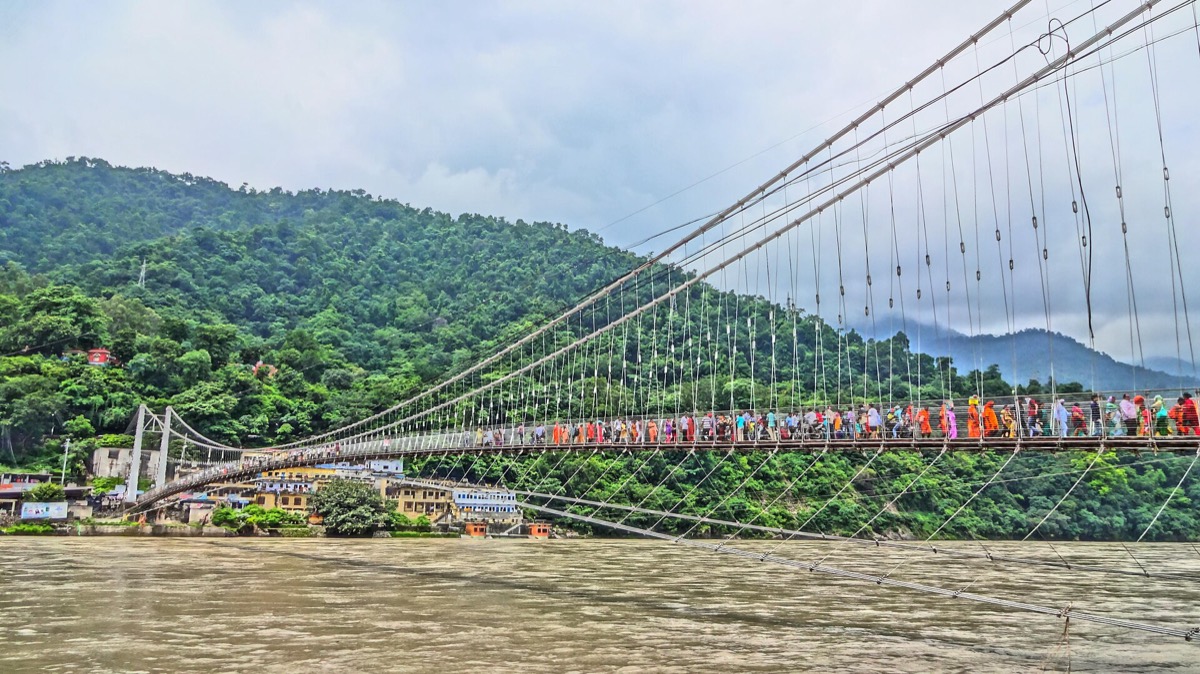 Can a month inside a dense crowd actually improve how you feel?pilgrimage
 Why do people set out on a pilgrimage with no religious motive?pilgrimage