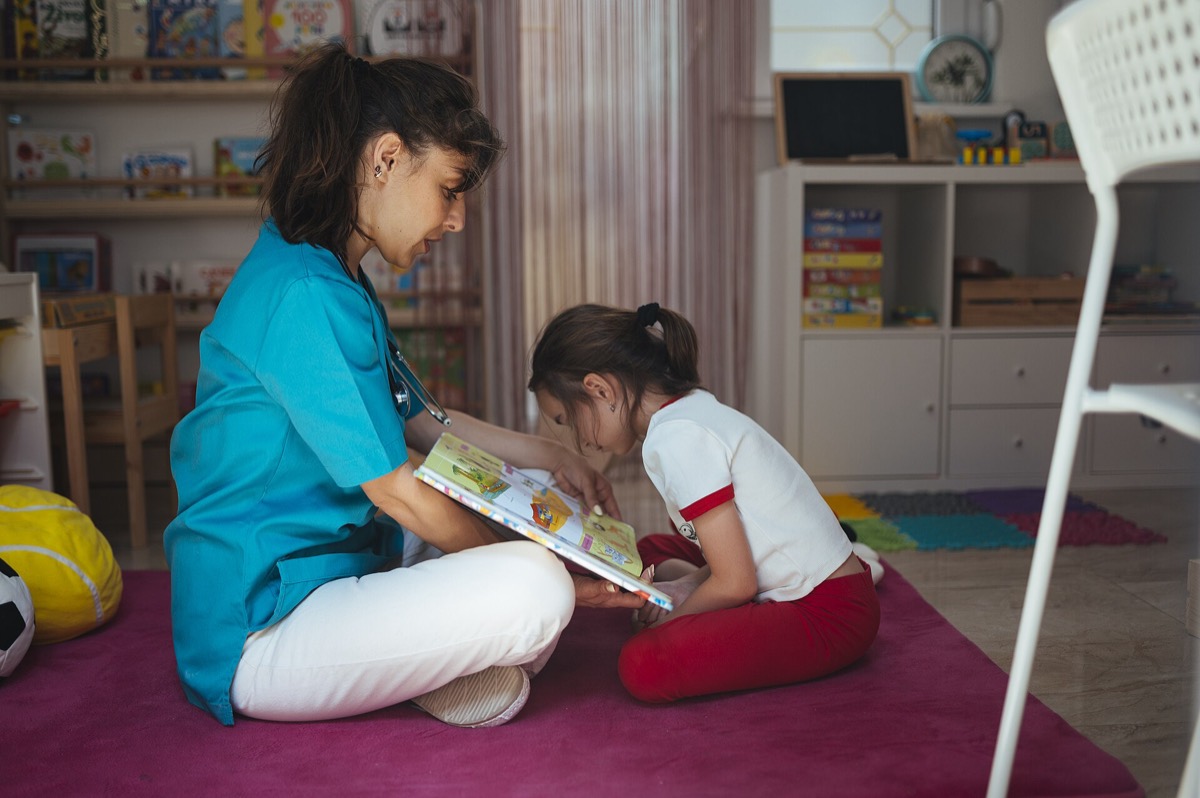
Preschoolers pick up vocabulary from picture books, and that much has been documented many times over. What nobody had pulled together is which parts of the reading do the work. A meta-analysis gathered 38 studies covering 2,455 children and 110 , then tested one candidate after another against word comprehension. Which features mattered, and which turned out not to?
How you read beat who you are and when you test. , where the adult asks questions and the child does the talking, moderated how many words were learned. So did , the number of times a target word is spoken aloud, and the number of words being taught at once. The child’s age, the identity of the reader, and the delay before testing made no difference at all.
That preschoolers learn words from picture books is one of the better established facts in developmental psychology. The useful question is narrower. Of everything happening while an adult reads to a child, which parts carry the learning?
This meta-analysis pooled 38 studies, 2,455 children and 110 effect sizes, and asked what moderated word comprehension once the number of target words was held constant. A here is any feature of the reading, the child or the test that changes how large the learning effect comes out.
Three things moderated the outcome. Dialogic reading styles, where the adult prompts and questions while the child supplies the words, did more than straight reading aloud. Tokens mattered, meaning how many times the target word was actually spoken. And so did the number of words tested, which is a reminder that teaching six new words at once is not six times teaching one.
The null results are as useful as the positives. The child’s age did not moderate the effect, nor did who read the story, nor the time between the story and the test. A parent is therefore not at a disadvantage against a trained researcher, and a delay does not erase what was learned. The authors are candid about what stays open, naming story repetition and word types as topics needing further work. And a moderator analysis over pooled studies stays correlational however many children sit inside it.
wat. Asking the child questions, and repeating the new word, mattered more than who held the book or how long before the test.
wat wat
It tells a parent and a teacher where to spend effort. Not on the reader, not on the child’s exact age, but on turning the reading into a conversation and on saying the new word more than once.
How do we know?
Flack, Field and Horst pooled 38 studies of shared storybook reading covering 2,455 children and 110 effect sizes, adjusting throughout for the number of target words.
What is still unknown
Moderator analysis across pooled studies is correlational, and the authors flag story repetition and word types as questions their data could not settle.
Learn something?
Where to next
 Why is the thing you assembled yourself worth more to you?children
 What makes a museum visit teach a child anything?children
 Pen or keyboard for a child who is just meeting letters?children