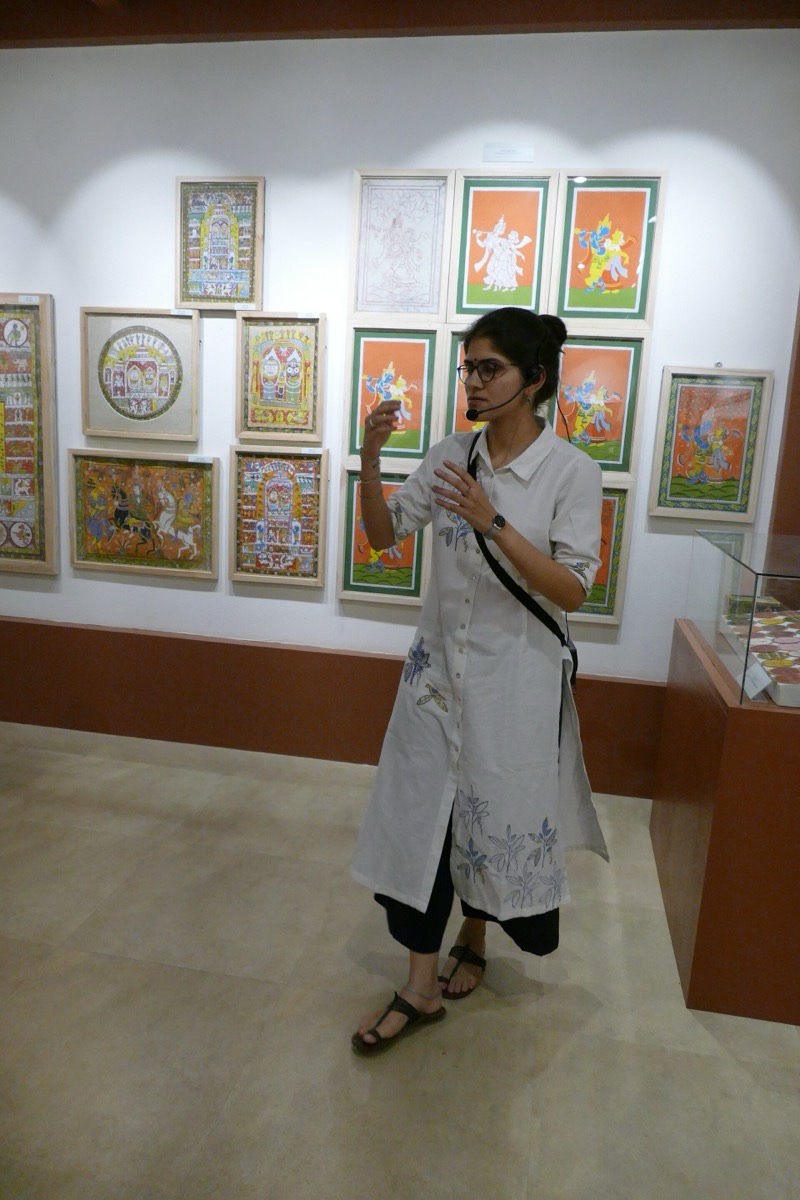
Museums have spent decades adding things for children to touch, press and play with, on the understanding that is what makes a visit educational. That leaves the designer with three separate levers: other people, technology, and the exhibit space itself. Andre, Durksen and Volman reviewed a decade of research to find which of them does the work.
None of them alone. The review sorts strategies by three interactivity types, child with adults or peers, , and child with environment, and locates the most promising strategies in the areas where those types overlap. Within that overlap the authors identify one thing specifically as the key to enhanced museum learning: , meaning support pitched just past what the child can already do.
The review’s object is narrow and practical: the museum activities and strategies that encourage and support children’s learning. To get at what is actually known, the authors examined the content, the methodology and the resulting knowledge of the last decade of research rather than only the conclusions.
Because interactivity is increasingly seen as essential to children’s learning experiences in museums, they built a framework that splits it into three. Child with adults or peers. Child with technology. Child with environment. Every facilitating strategy and activity can then be placed against one or more of those.
The most promising strategies and activities for boosting learning turned out to sit in the overlapping areas of those types, rather than in any single one. Specifically, the authors identify scaffolding as a key to enhanced museum learning, which is a claim about the quality of support a child receives rather than about the hardware in the room.
The review closes on what the decade did not settle. The authors highlight research challenges from those years and give recommendations for practice and for future work on how to design, evaluate and guide educational programs for children in museums. The framing throughout treats the museum as a learning environment to be arranged, not a collection to be walked past.
wat. The exhibit does not teach the child. An adult, a device and an exhibit, overlapping, might.
wat wat
A touchscreen on a wall is interactivity of one kind only. The review says the payoff comes where a child, an adult and the exhibit are all engaged at once.
How do we know?
A review of the last decade of research on children’s learning in museums, examining study content, methodology and the resulting knowledge, organized through a framework the authors built around three interactivity types.
What is still unknown
A review, so it inherits the methods of the studies it covers, and the authors close by listing research challenges from the decade. Identifying promising strategies is not the same as trialling them head to head.
Learn something?
Where to next
 Pen or keyboard for a child who is just meeting letters?children
 What does an explanation beside a painting do to the way we look?museums
 You were told you are a visual learner. Should you be taught only in pictures?learning