Continental drift was debated for decades after Wegener died, then largely dismissed as eccentric, preposterous and improbable. From the 1950s a wealth of new evidence revived it, and one strand of that evidence came from instruments built in wartime to find submarines.
Magnetic stripes on the ocean floor. Magnetometers adapted from airborne submarine-detection gear picked up odd magnetic variations across the seafloor. As more of it was mapped through the 1950s, those variations turned out not to be random or isolated but to form recognizable patterns, as the rock cooled.
After Wegener’s death, continental drift was hotly debated off and on for decades before being largely dismissed as eccentric, preposterous and improbable. Beginning in the 1950s a wealth of new evidence revived the debate.
Four developments spurred the formulation of plate tectonics, by this account. First, the ruggedness and youth of the ocean floor, which revealed. Second, confirmation of repeated reversals of the Earth’s magnetic field in the geologic past. Third, the seafloor-spreading hypothesis with its recycling of oceanic crust. Fourth, documentation that earthquakes and volcanic activity concentrate along trenches and submarine mountain ranges.
The magnetic strand began with hardware built for war. From the 1950s, scientists using magnetometers adapted from airborne devices developed to detect submarines began recognizing odd magnetic variations across the ocean floor, which the in basalt made measurable.
The variations made sense because of work from decades earlier. Brunhes in 1906 and Matuyama in the 1920s had sorted rocks into normal and , and magnetite grains lock in the field orientation as magma cools. As more seafloor was mapped in the 1950s, the variations proved not to be random or isolated but to form recognizable patterns.
wat. Submarine-hunting magnetometers found stripes on the seafloor, and the stripes recorded a moving crust.
wat wat
A theory rejected for decades was settled by a measurement nobody had made, which is usually how such arguments end.
How do we know?
The USGS account lists four developments behind plate tectonics: the ruggedness and youth of the ocean floor, repeated magnetic reversals, seafloor spreading, and earthquakes concentrating along trenches and submarine ranges.
What is still unknown
This is an agency account of how the theory came together, not a research paper, and it compresses the arguments of many people.
Learn something?
Where to next
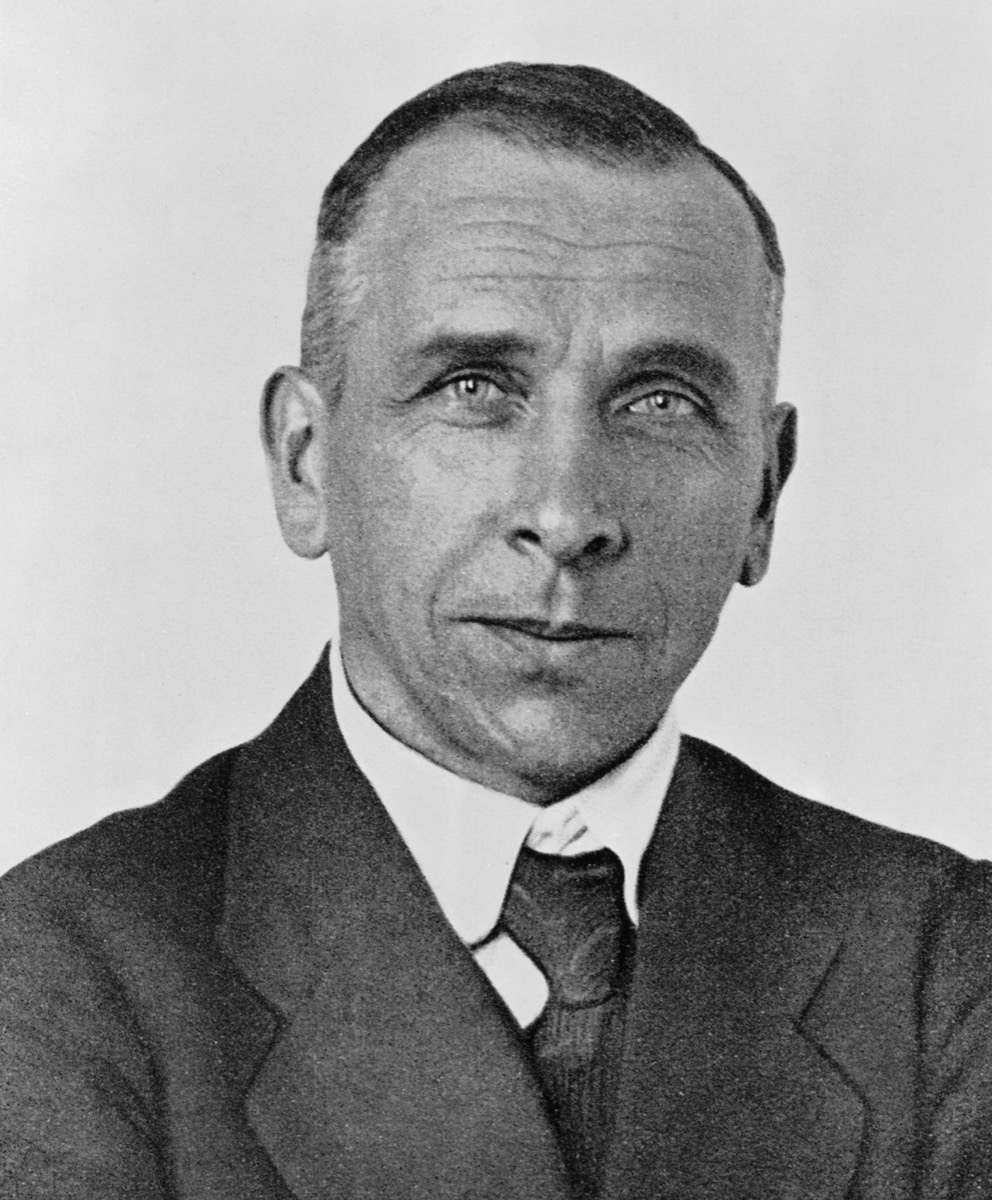 What did geologists do to the man who proposed continental drift?plate tectonics