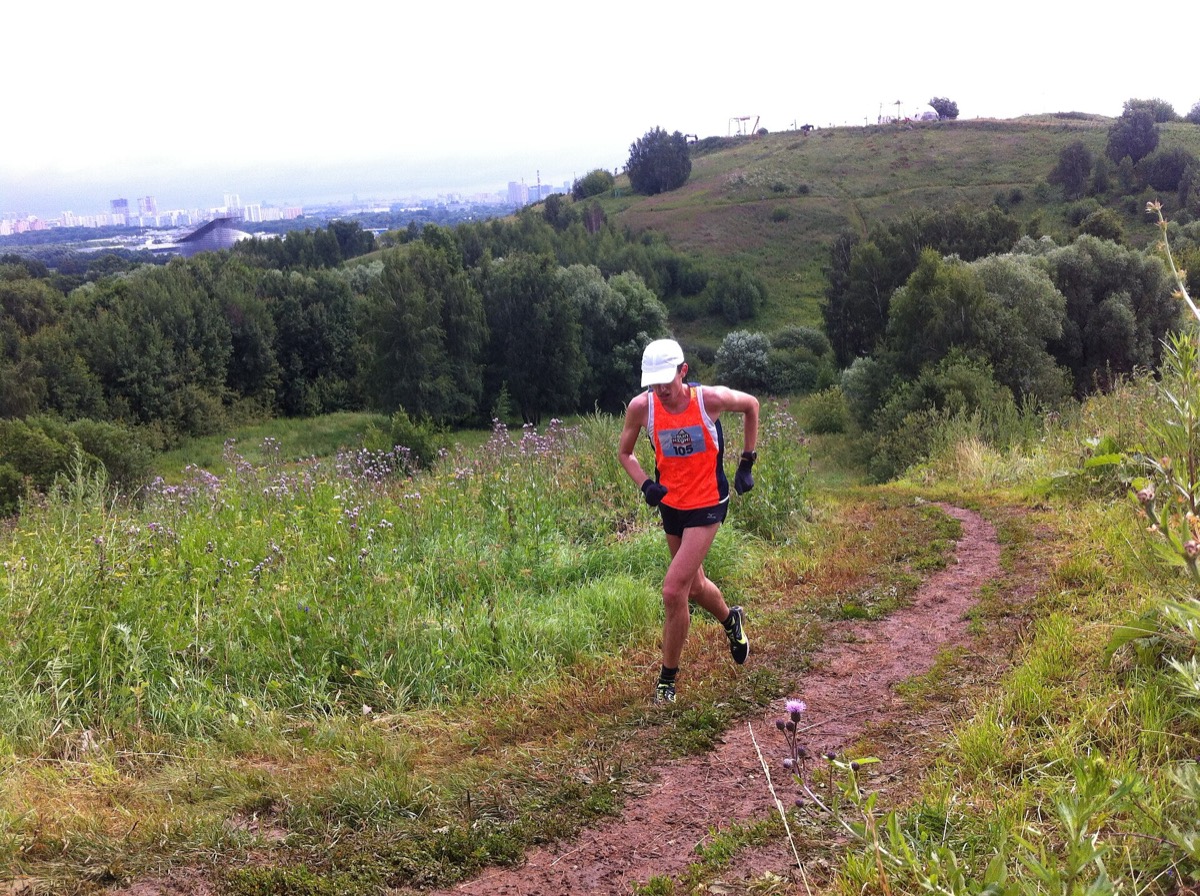
A runner’s high is a sense of well-being during endurance exercise, marked by euphoria and reduced anxiety, and endorphins have been the popular explanation for decades. Exercise releases two classes of rewarding molecules, opioids and , so the belief was never the only option. In mice, cannabinoid receptors carried the effect.
Blocking opioids did not stop it. In a , placebo-controlled experiment with 63 participants, failed to prevent the euphoria, the reduced anxiety or the rise in endocannabinoids after 45 minutes of running. The fraction reporting a subjective runner’s high was comparable between drug and placebo.
A runner’s high describes a sense of well-being during endurance exercise, characterized by euphoria and . It has been a widespread belief that the release of endogenous opioids such as endorphins underlies it.
Exercise, though, releases two classes of rewarding molecules: endocannabinoids and opioids. In mice, the same group had shown that core features of a runner’s high depend on cannabinoid receptors and not on opioid receptors, which set up the question for people.
The design puts the belief to the test. Sixty-three participants ran for 45 minutes at moderate intensity or walked, under the opioid receptor antagonist naltrexone or placebo, in a double-blind randomized experiment.
Running increased euphoria and decreased anxiety compared with walking, and raised plasma levels of the endocannabinoids anandamide and 2-arachidonoglycerol. Opioid blockade prevented none of it, and the fraction reporting a subjective runner’s high was comparable between groups, which makes endocannabinoids the strong candidate in humans too.
wat. With opioids blocked, the euphoria arrived on schedule.
wat wat
The explanation everybody repeats for a familiar feeling turns out to be the one the experiment rules out.
How do we know?
Siebers and colleagues compared 45 minutes of moderate-intensity treadmill running against walking, under the opioid receptor antagonist naltrexone or placebo, measuring mood, anxiety and plasma endocannabinoids.
What is still unknown
Blocking opioid receptors leaves endocannabinoids as the strong candidate rather than the proven cause.
Learn something?
Where to next
 Which receptors does a runner’s high actually need?endocannabinoids
 Can fifteen minutes of exercise change the kind of thinking you are capable of?exercise