The arrived early in the sixteenth century and gave firearms an ignition system that was reliable if complex and expensive, which set off a rapid development of pistols and long arms. By mid-century a new genre appeared: a wheel-lock pistol combined with a sword, a dagger, an axe or a mace. The obvious reading is insecurity, a backup for a missed shot. Is that what they were for?
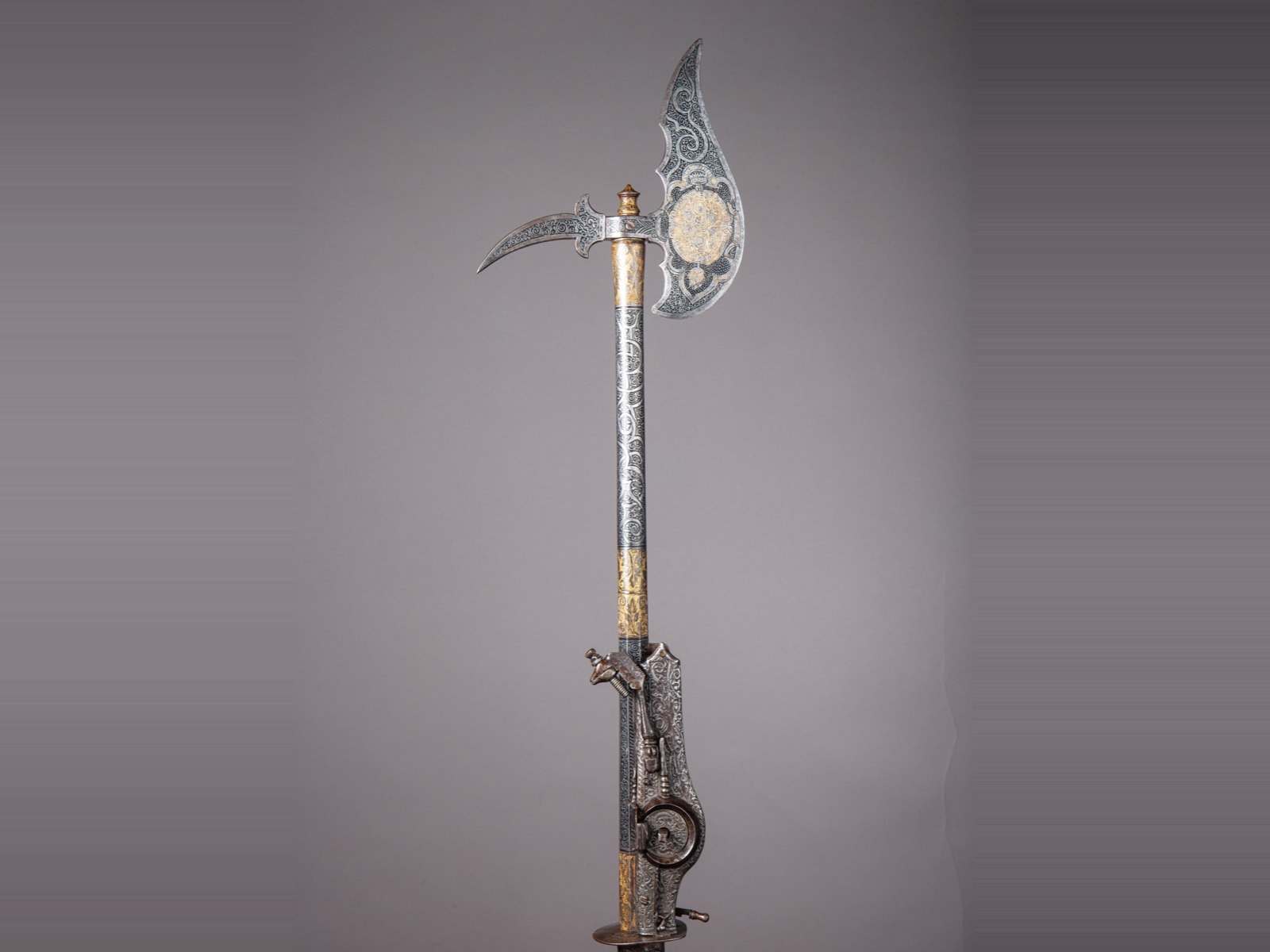
Display, mostly. The Metropolitan Museum reads these as elaborate mechanical curiosities that appealed to wealthy noblemen. That is why they turn up in abundance in princely armories and Renaissance cabinets of art and wonder rather than on battlefields. This one is German, built all in steel: the hollow shaft of the axe serves as the barrel, pierced with a and fitted with a trigger.
The wheel lock, invented early in the sixteenth century, gave firearms a fairly reliable ignition system, at the cost of complexity and expense. Pistols and long arms developed rapidly on the back of it, for warfare and for the hunt. By the middle of the century a further genre appeared, pairing a wheel-lock pistol with a conventional sword, dagger, axe or mace.
That pairing seems to imply a basic insecurity on the owner’s part, a second function to fall back on if the shot missed. The Metropolitan Museum argues otherwise. Combination weapons of this sort appealed to wealthy noblemen as elaborate mechanical curiosities, and they survive in abundance in princely armories and in Renaissance .
The construction is ingenious and impractical in equal measure. Like most recorded examples this one is German, made all in steel, with the hollow shaft of the axe serving as the pistol barrel and the lock attached to its outer side. The shaft is pierced with a touchhole and fitted with a trigger. An S-shaped blade and a curved spike sit at the forward end, and the barrel opening is stopped with a plug that would have to come out before firing.
The decoration places and dates it. The axe, shaft and lower pommel are etched with strapwork interlace and scrollwork on a blackened ground, highlighted with gilt foliage in the South German manner of Augsburg and Nuremberg. One face carries the under a rayed crown, the other a helmeted warrior in profile. The crown puts the weapon after December fifteen sixty-nine, and the owner appears to have been Cosimo’s second son, Cardinal Ferdinand, who ruled from fifteen eighty-seven.
wat. Not a desperate second chance at close quarters but a rich man’s gadget, etched with his family arms.
wat wat
The combination weapon is a reminder that technology in this period was also entertainment, bought by people who wanted a mechanism to show rather than a tool to use.
How do we know?
The Metropolitan Museum of Art’s catalogue entry describes the weapon’s construction, its etched decoration, the Medici arms on the blade and the dating those arms allow.
What is still unknown
A catalogue entry for one object, with the lock a modern replacement. The judgement that these appealed as curiosities is the Museum’s reading of where such weapons survive, not evidence of what any owner thought.
Learn something?
Where to next
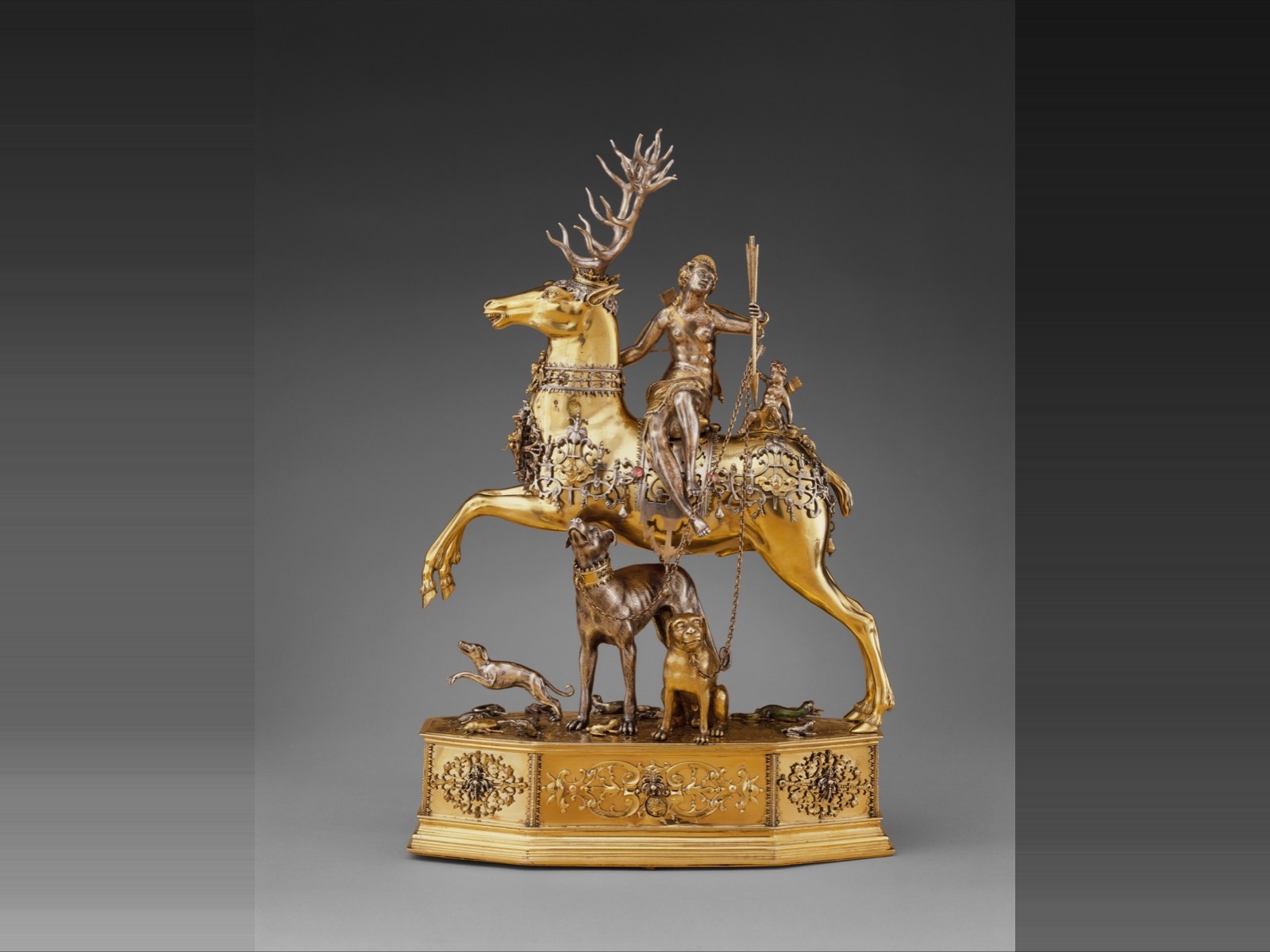 Why did a Renaissance silver stag drive itself across the table?renaissance