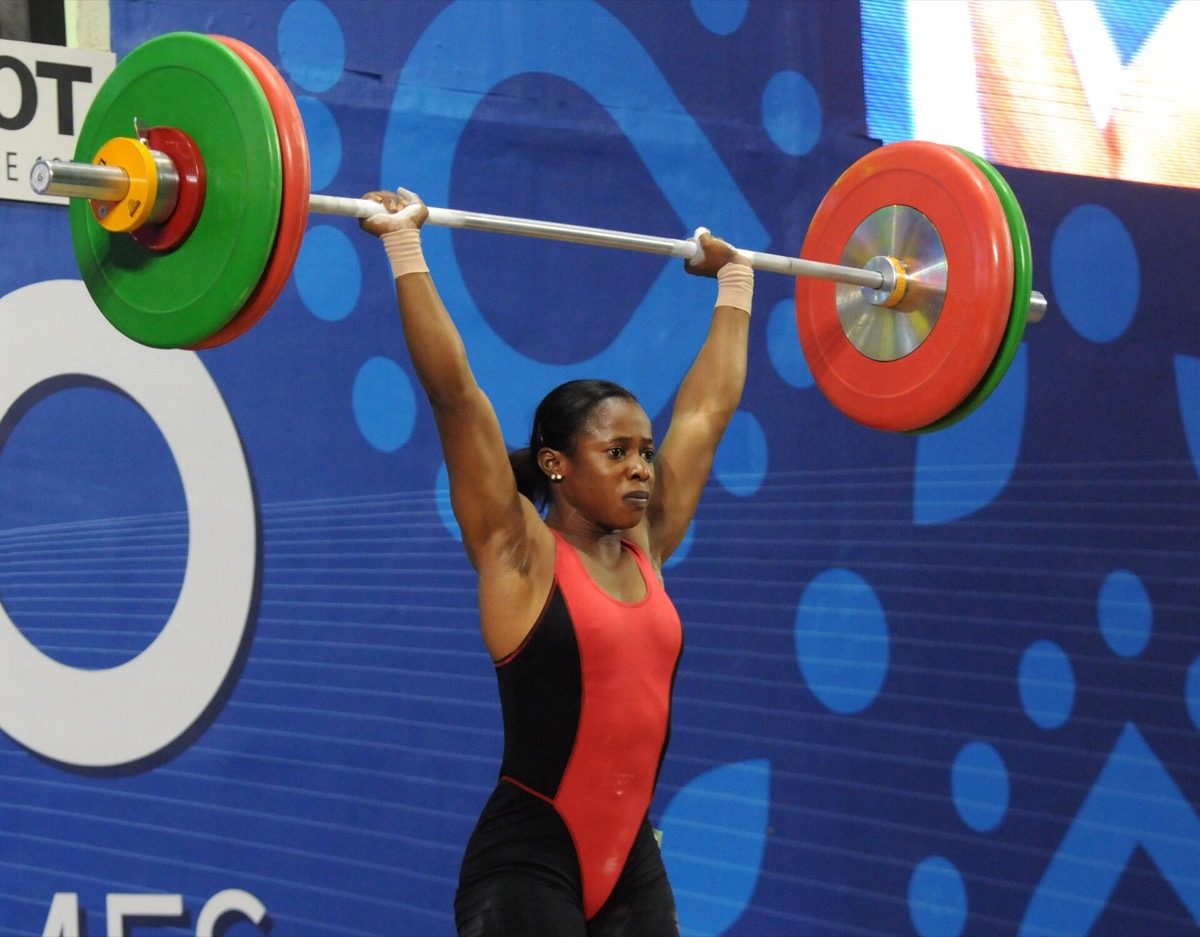
in males is a sexually selected, testosterone-dependent signal of quality across a range of animals, and in some species a male’s dominance can be raised experimentally just by attaching artificial red to him. If that response survives in humans, it should show up somewhere measurable. Sport assigns colors and records outcomes, which makes it the obvious place to look.
Wearing red went with winning more often. Across a range of sports, Hill and Barton report that wearing red is consistently associated with a higher . They draw two conclusions. One is that may have influenced how humans evolved to respond to colors. The other is that sportswear color needs accounting for, to keep the playing field level.
Red coloration is a sexually selected, testosterone-dependent signal of male quality in a variety of animals. In some non-human species the effect is strong enough to be manipulated directly: a male’s dominance can be experimentally increased simply by attaching artificial red stimuli to him.
The question this raises about humans is whether any residue of that response remains. Sport is the natural place to test it, because contests are recorded, outcomes are unambiguous, and in many events the colors competitors wear are assigned rather than chosen.
Hill and Barton report that a similar effect can influence the outcome of physical contests in humans. Across a range of sports, they find that wearing red is consistently associated with a higher probability of winning. The signal biologically attributed to red in males, as the journal’s own summary line puts it, may operate in the arena of combat sports.
They draw two conclusions from it. One is evolutionary, that sexual selection may have influenced the evolution of the human response to colors. The other is administrative, that the color of sportswear needs to be taken into account to ensure a in sport. Note what this source does and does not give: it is a brief communication, and its abstract reports a consistent association without effect sizes, sample sizes or the list of sports behind it.
wat. Across several sports, competitors in red won more often than competitors in other colors.
wat wat
The practical claim is the one with consequences. If kit color shifts outcomes at all, then assigning it at random or by seeding is a fairness question for any sport that does so.
How do we know?
Hill and Barton’s brief communication in Nature reports the association between wearing red and probability of winning across a range of sports, placing it alongside the animal literature on red as a testosterone-dependent signal.
What is still unknown
This is a brief communication, and the abstract reports a consistent association without effect sizes, sample sizes or the sports included. The evolutionary explanation is offered as a possibility rather than tested.
Learn something?
Where to next
 Which goal helps an athlete more: to win, or to execute correctly?psychology
 Why does a swimmer work less behind another swimmer?competition
 Why does almost every language name red before it names blue?color