Transcribing books. block automated programs by asking humans to do something computers cannot, such as deciphering distorted characters. Von Ahn and colleagues asked whether that effort could be put to use, by serving scanned words from old printed material that had failed on. The transcription accuracy exceeded ninety-nine percent per word.
That figure matches the guarantee of professional human transcribers, which is the claim that makes the scheme more than a curiosity. The deployment was already large when the paper appeared: the apparatus ran on more than forty thousand websites and had transcribed over four hundred and forty million words. Every one of those was a word a machine could not read.
CAPTCHAs are widespread security measures on the World Wide Web, preventing automated programs from abusing online services. They work by asking humans to perform a task that computers cannot yet perform, such as deciphering distorted characters. The cost is small per person and vast in aggregate, which is the observation the research starts from.
Von Ahn and colleagues explored whether such human effort could be channeled into a useful purpose. Their method was to help old printed material by asking users to decipher scanned words from books that computerized optical character recognition had failed to recognize. The security check stays a security check, and the work it extracts goes somewhere.
The accuracy claim is what makes it serious rather than clever. The method transcribes text with a exceeding ninety-nine percent, matching the guarantee of professional human transcribers. Word accuracy is a strict measure, since one wrong character spoils a word, and the words served are by selection the ones machines had already failed on.
The scale at publication was already considerable. The apparatus was deployed on more than forty thousand websites and had transcribed over four hundred and forty million words. One caution about reading the accuracy figure: this is a report on a system in the field rather than a controlled trial, and the measurement is over the hard words the system chose to serve.
wat. Every squiggly word you typed was a word a scanner had given up on.
wat wat
It turned a tax into a resource. The security check had to happen anyway, and routing it through unreadable scanned text converted billions of small annoyances into a transcription workforce.
How do we know?
A report in Science describes the method, the deployment across tens of thousands of websites, the volume of text transcribed, and the word-level accuracy achieved against the standard set by professional transcription.
What is still unknown
A report on a deployed system rather than a controlled study. The authors measure accuracy at the word level, on the words the system chose to serve, which are by construction the hard ones.
Learn something?
Where to next
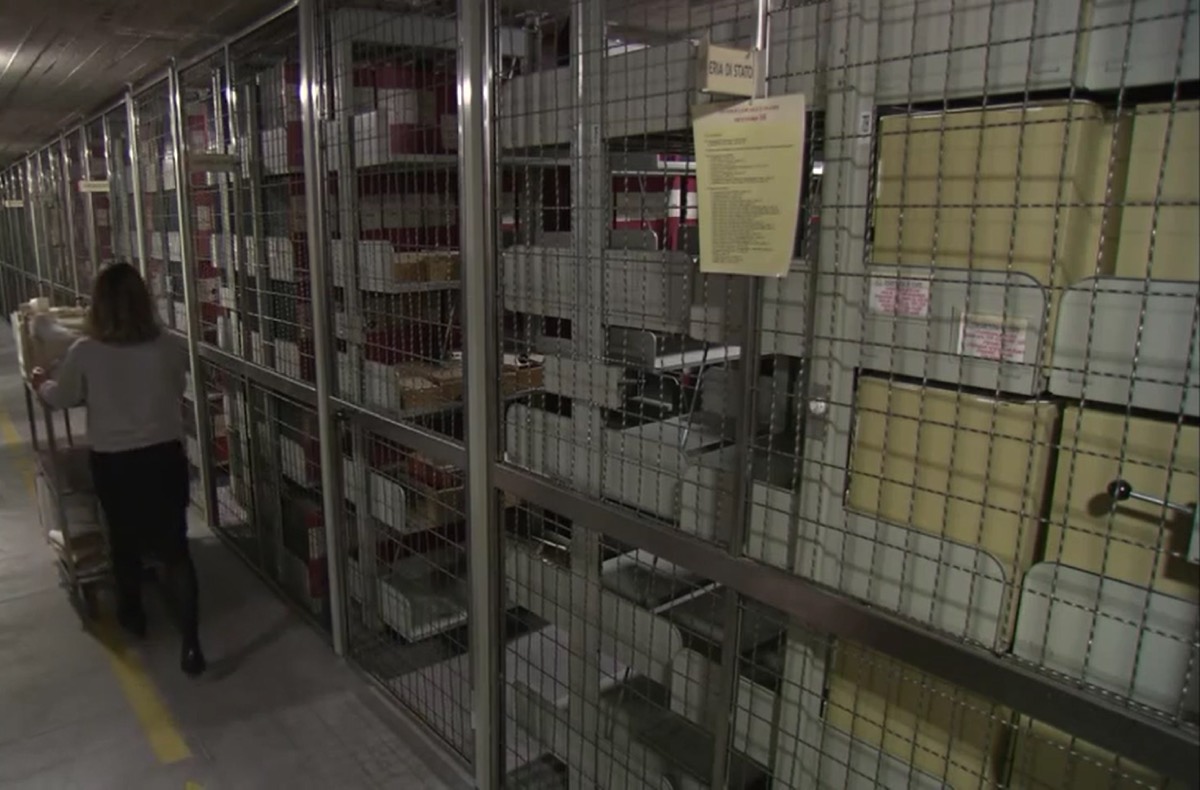 What was actually secret about the Vatican Secret Archives?archives