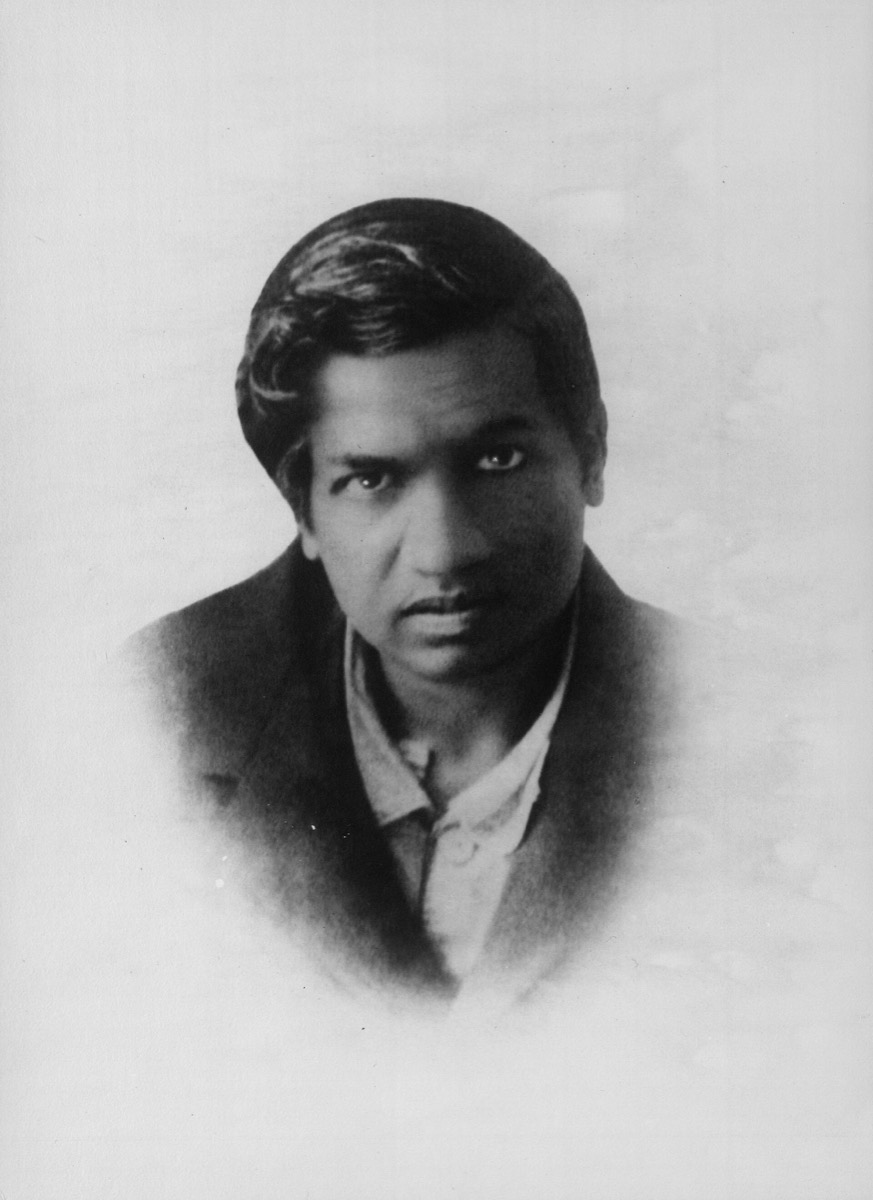
Hardy arrived at Ramanujan’s sickbed having noticed the number of his taxi from London, and announced his disappointment with it before saying hello. It was, he declared, rather a dull number, and he hoped that was not a bad omen. Ramanujan disagreed on the spot.
It is the smallest number expressible as a sum of two positive cubes in two different ways, with no other below it, which makes it the smallest . Ramanujan produced that from a bed, and the property is what the number has been known for ever since, including in a film and in an episode of Futurama.
The story as Hardy told it: once, in the taxi from London, he noticed its number, 1729. He must have thought about it a little, because he entered the room where Ramanujan lay in bed and, with scarcely a hello, blurted out his disappointment with it.
It was, he declared, rather a dull number, adding that he hoped that was not a bad omen. The reply came immediately. No, Hardy, said Ramanujan, it is a very interesting number.
The reason is exact. It is the smallest number expressible as the sum of two positive cubes in two different ways, which makes it the smallest nontrivial taxicab number. The arithmetic can be checked on paper in a minute.
The number has had an afterlife outside mathematics. The property was mentioned by the mathematician played by Anthony Hopkins in the 2005 film Proof, and 1729 turns up in the designation of a spaceship in an episode of Futurama. That is the kind of fame a number rarely gets.
wat. Hardy called 1729 dull; it is the smallest number that is a sum of two cubes in two ways.
wat wat
It is the most quoted anecdote in mathematics about seeing structure where somebody else sees nothing.
How do we know?
The property is a fact about the integers, checkable by anyone, and the story comes down through Hardy himself, with the retellings this reference work cites.
What is still unknown
The anecdote is Hardy’s recollection, passed through several retellings, so the dialogue is as reliable as any remembered conversation.
Learn something?
Where to next
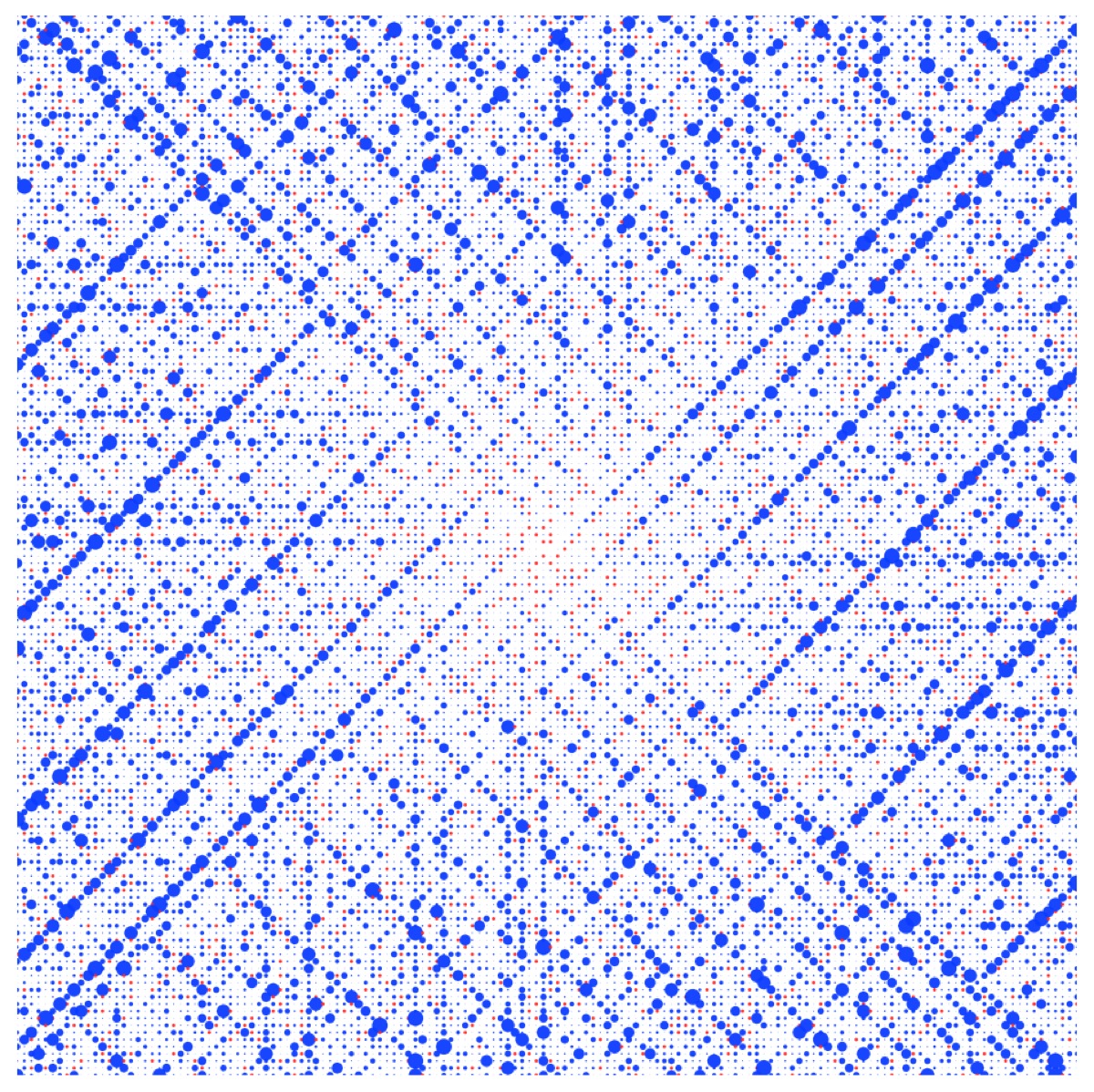 How do you prove the primes never run out?number theory
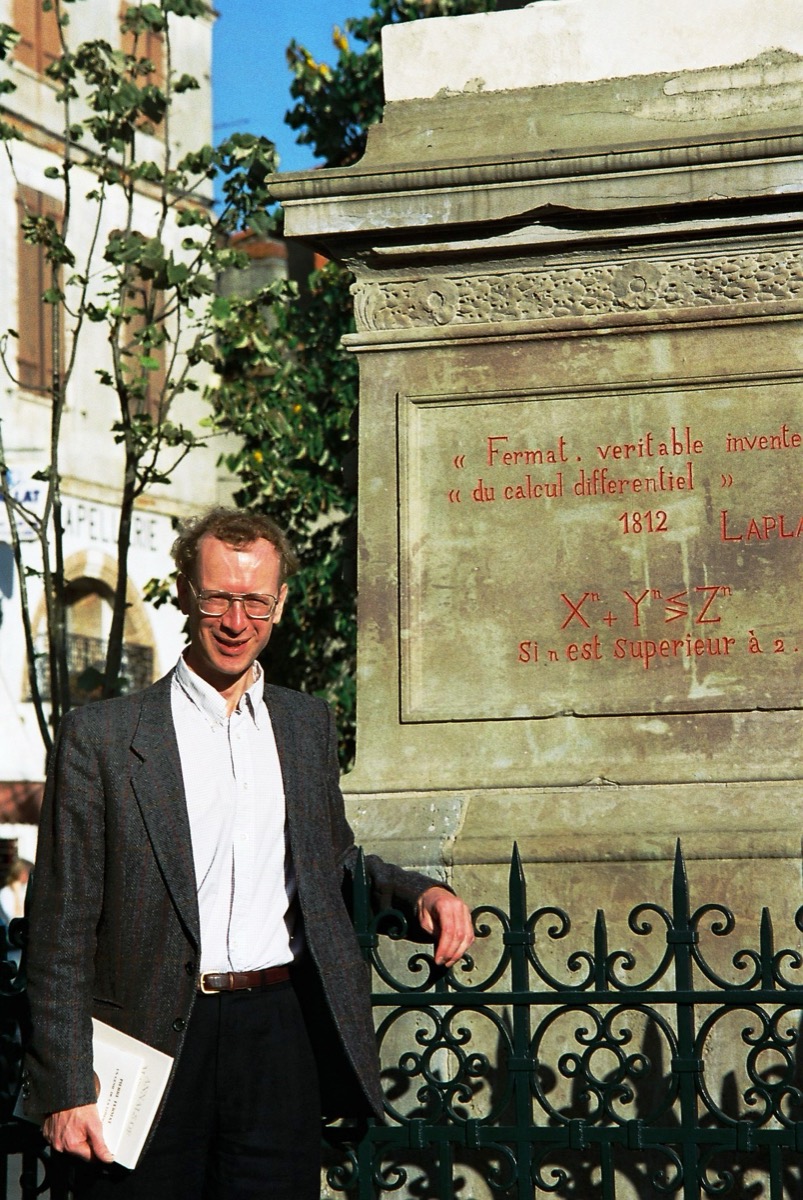 What happened after Wiles announced his proof?number theory
 Why do mathematicians warn each other off one problem?number theory