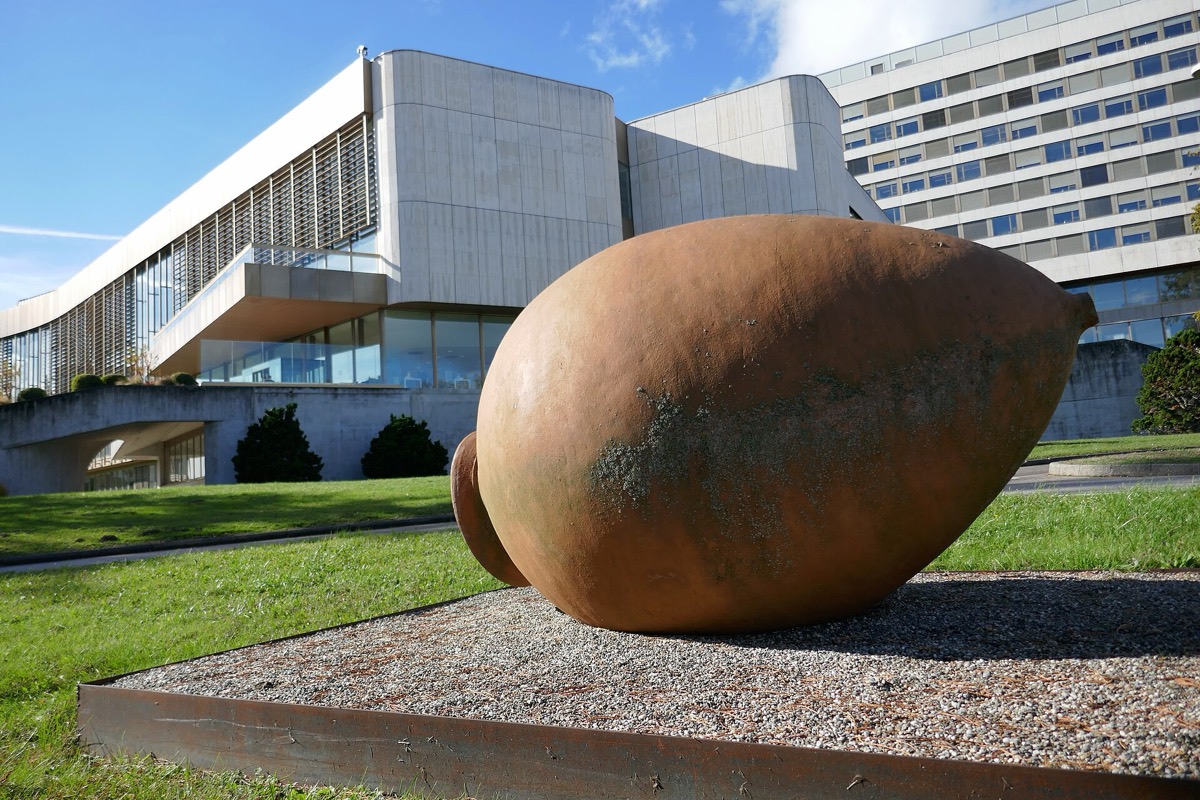
A is an egg-shaped earthenware vessel used for making, ageing and storing wine, and the method built around it was inscribed on UNESCO’s in two thousand thirteen. Grapes are pressed, and then the juice goes into the qvevri along with the , stalks and pips. What happens to the vessel next is the part that sets the method apart.
It is sealed and buried. The qvevri goes into the ground with everything in it and the wine ferments there for five to six months before anybody drinks it. The practice runs throughout Georgia, particularly in village communities growing unique grape varieties, and is used by most farmers and city dwellers alike. Wine cellars are still considered the holiest place in the family home.
Qvevri wine-making is practiced throughout Georgia, particularly in village communities where unique varieties of grapes are grown. The qvevri itself is an egg-shaped earthenware vessel, used for making the wine, ageing it and storing it, which means one object covers what elsewhere takes three.
The process is short to describe. Grapes are pressed, and the juice goes into the qvevri together with the grape skins, stalks and pips. The vessel is then sealed and buried in the ground, and the wine ferments there for five to six months before being drunk.
The knowledge moves through people rather than institutions. Qvevri manufacture and wine-making are by families, neighbors, friends and relatives, all of whom join in communal harvesting and wine-making. Children learn to tend the vines, press grapes, ferment wine, collect clay and make and fire qvevris by observing their elders.
What keeps the practice alive is that it never became a specialism. Most farmers and city dwellers use this method of making wine. Wine plays a vital role in everyday life and in the celebration of secular and religious events. Wine cellars are still considered the holiest place in the family home, and wine and vines are frequently evoked in Georgian oral traditions and songs.
wat. Skins, stalks and pips go in with the juice, the lid goes on, and the whole pot goes into the ground for half a year.
wat wat
Burying the vessel is a temperature control strategy that needs no equipment and no power, which is why a method this old is still what most people there actually use.
How do we know?
The UNESCO Intangible Cultural Heritage entry for nomination file 00870 describes the vessel, the process, how the knowledge is transmitted and the place of wine in Georgian life.
What is still unknown
A heritage inscription describing a living practice as its practitioners present it. It records what is done and by whom, not a chemical account of what burial does to a fermentation.
Learn something?
Where to next
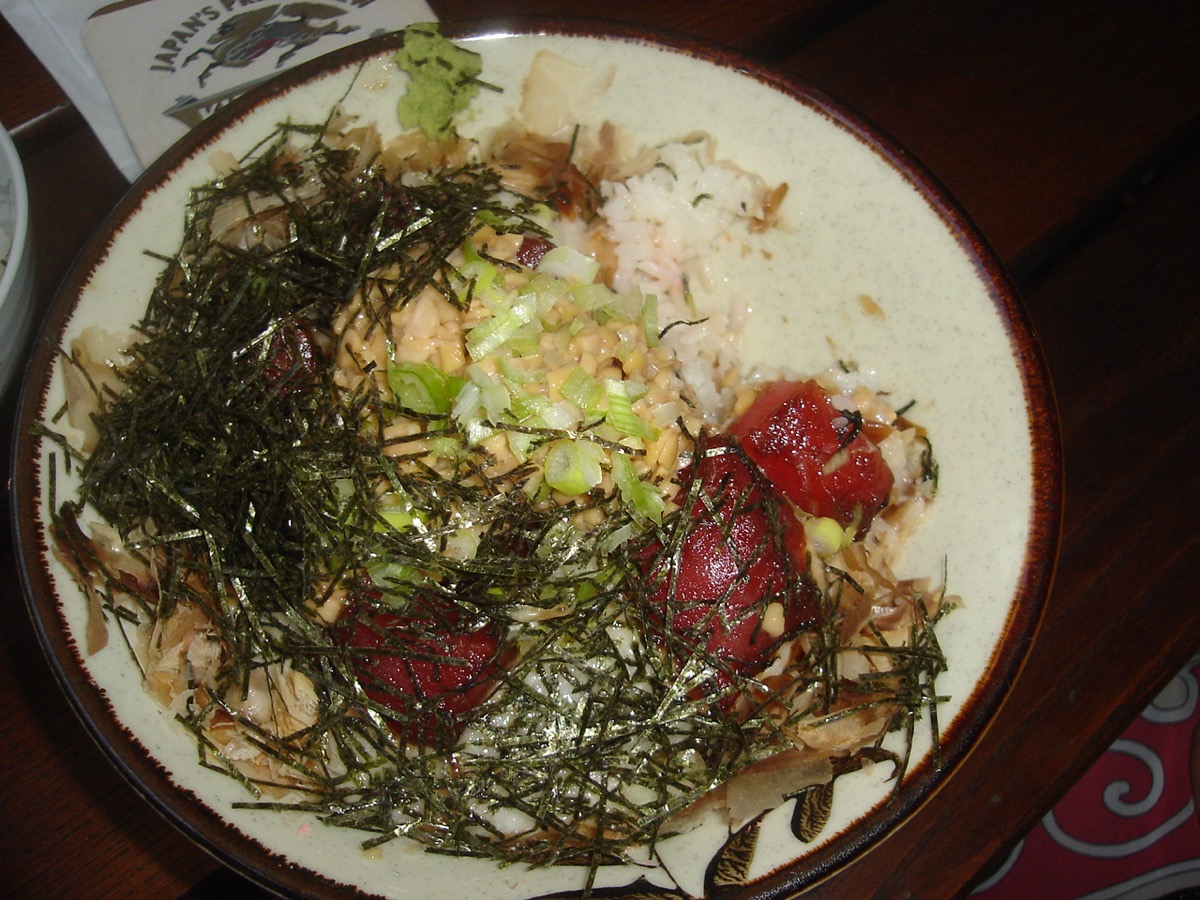 When Japanese food went onto the heritage list, what was actually listed?UNESCO
 If you are told a wine is expensive, does it actually taste better?wine