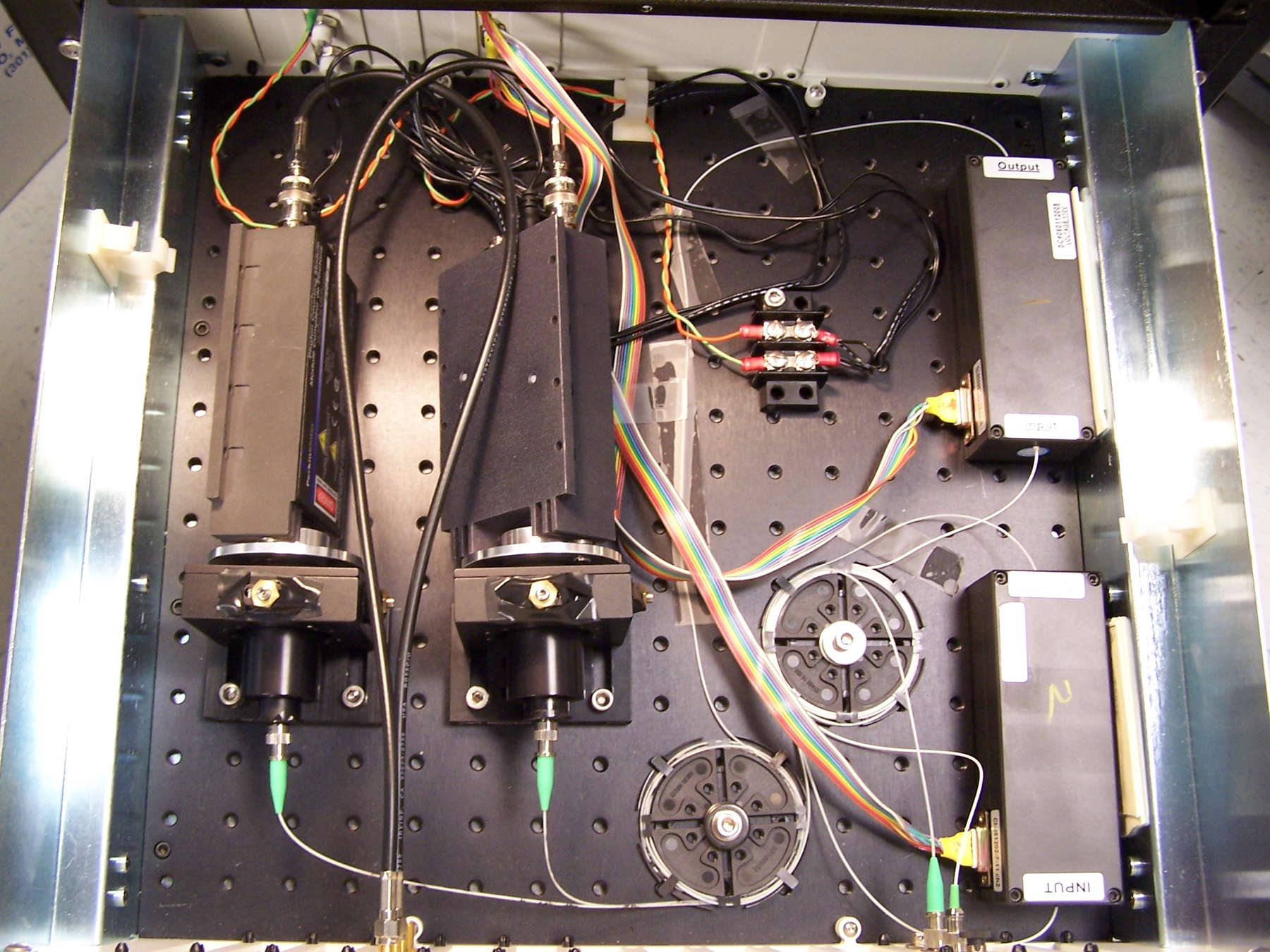
Classical encryption hides a message and says nothing about who looked. Quantum cryptography uses the rules of quantum mechanics, with devices such as sensors that record individual , and its advertised advantage is detection rather than concealment. One early protocol put that to work.
By sending the key on single photons. In the encryption key itself is not quantum, and it is transmitted using photons, so an eavesdropper leaves a trace. In 2004, Austrian scientists used it to secure a transfer of funds from a bank to Vienna City Hall.
Cryptography is ancient, and for most of its history it was a matter of mathematics: scramble a message so that only the intended reader can unscramble it. Modern cryptography adds authentication, verifying that sender and receiver are who they claim to be.
Quantum cryptography is a different kind of claim. It is a set of methods using the quirky but well-understood rules of quantum mechanics, with quantum devices such as single-photon sensors. The potential advantage is to better detect and thwart eavesdroppers who try to intercept data.
Quantum key distribution is an early example of such a protocol. Two trusted partners share an encryption key, a string of bits or characters, and although the key itself is not quantum, it is transmitted using photons. In 2004 Austrian scientists used QKD to secure a transfer of funds from a bank to Vienna City Hall.
The principles underneath are and entanglement, and NIST states the limits plainly. QKD systems still have technological and theoretical , some of which could let an eavesdropper intercept and decode messages. The National Security Agency therefore does not recommend QKD for national security systems.
wat. The key rides on single photons, and reading them leaves a mark.
wat wat
Knowing whether somebody read your message is a different security guarantee from knowing they could not understand it.
How do we know?
NIST sets out what quantum cryptography is, how superposition and entanglement protect data, the Vienna demonstration, and the loopholes that remain in working systems.
What is still unknown
NIST states that QKD systems still have technological and theoretical loopholes, and that the National Security Agency does not recommend QKD for national security systems.
Learn something?
Where to next
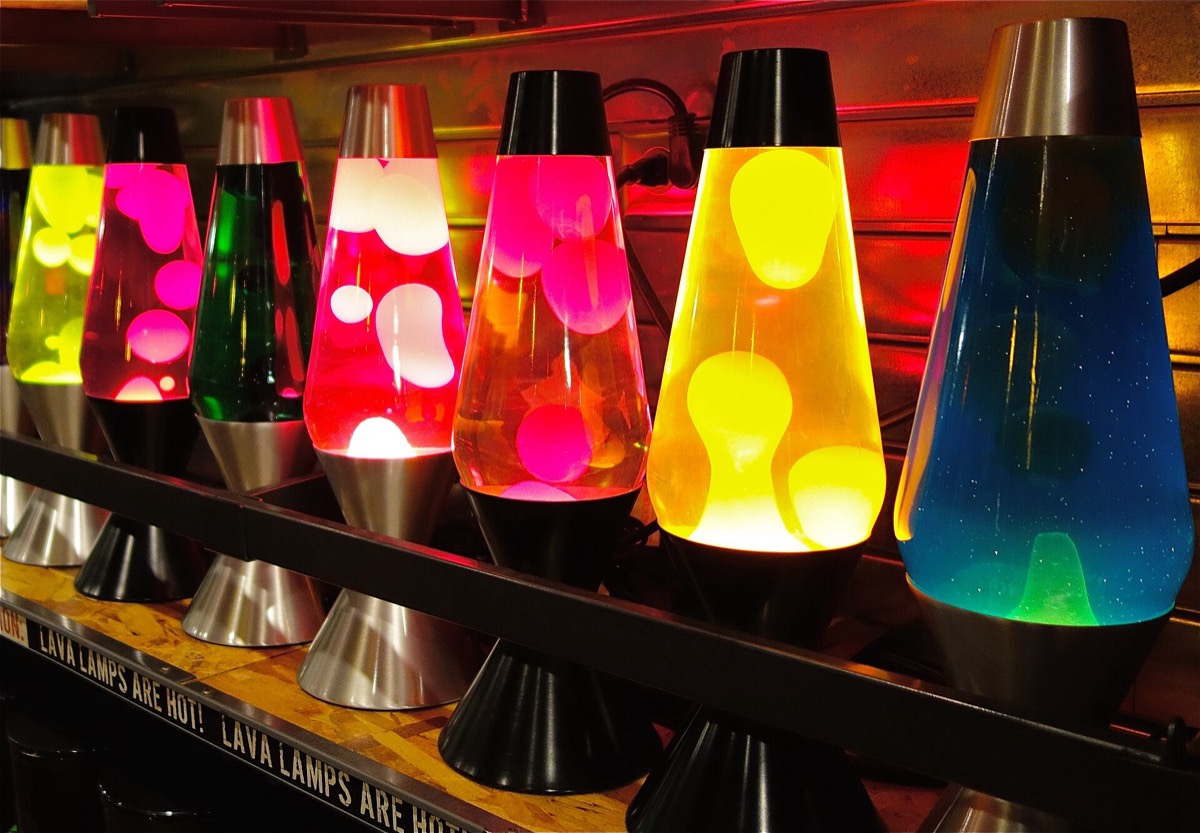 Which wall of lava lamps is guarding part of the internet?security
 Does a long password have to be complicated as well to be strong?security
 What did the first computer virus actually do?security