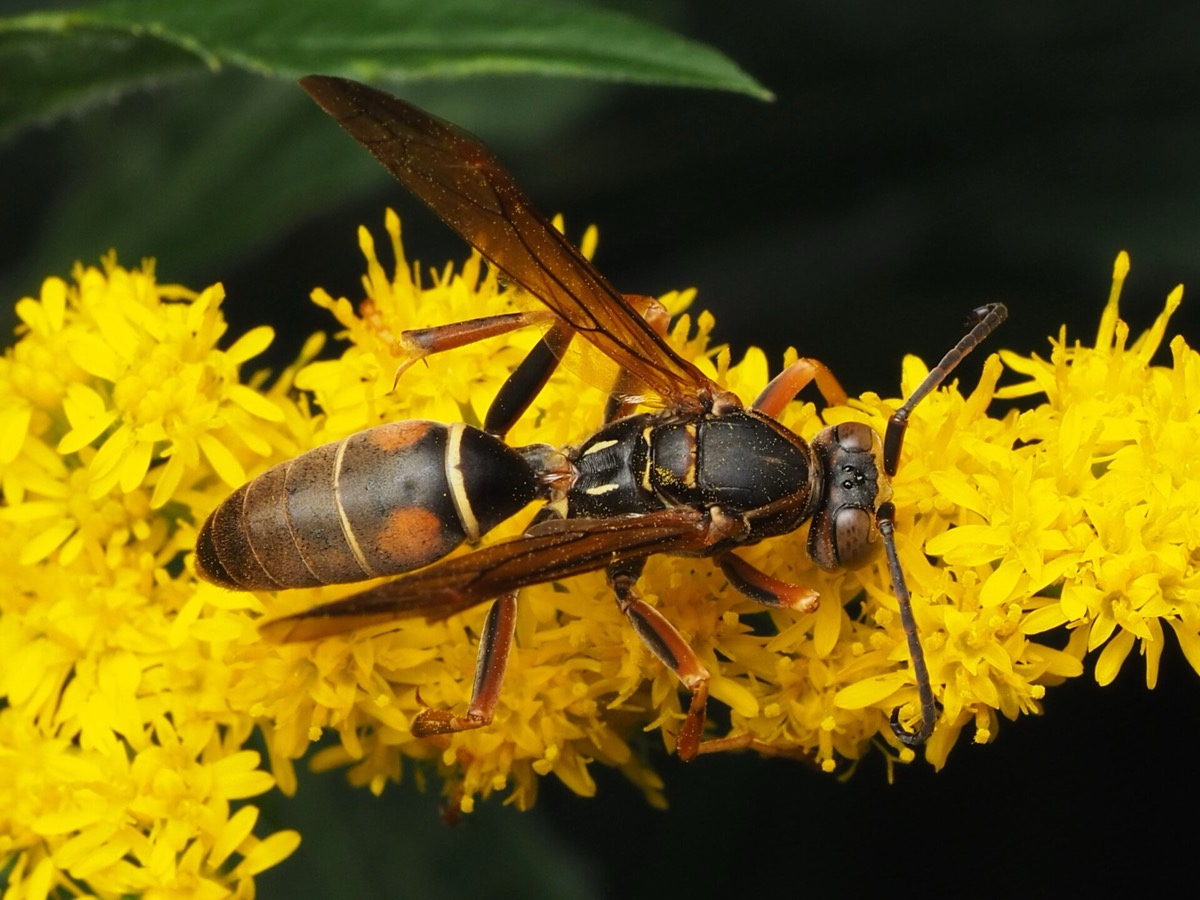
In a wasp nest the individuals look much the same, and recognizing one from another was taken to be an ability of animals with large brains. Female carry yellow and black markings that vary from one wasp to the next. What do they do with them?
They read them as a face. In experiments the wasps learned to tell photographs of nestmates apart better than , which is evidence of a mechanism aimed at faces rather than just good eyesight. In the original behavioral study, that altered the look of the face raised aggression when familiar individuals met again.
Females of one paper wasp species carry yellow and black patches that vary from individual to individual. Variability like that is not a given, because it is retained only where it pays.
The context explains it. The nest is small, holding several founding females who live together with a clear rank, so remembering who is who is worth it, unlike an insect society of thousands of identical individuals.
In experiments the wasps learned to tell photographs of nestmates apart better than other patterns of the same complexity, which is evidence that the mechanism is aimed at faces and not merely at seeing well.
In the original behavioral study, painting that altered the look of the face raised aggression when familiar individuals met again, which is to say the settled relationships were confused. So recognizing individuals is not the exclusive property of a large brain. The wasps recognize patterns of their own kind, and nothing here shows they process human faces or experience identity as we do.
wat. The varying face markings of paper wasps let them tell partners from rivals inside the nest.
wat wat
Recognizing individuals is not the exclusive property of a large brain, and it can evolve in an insect too, when social life rewards it.
How do we know?
The researchers carefully altered facial markings using matched paints and compared encounters against controls; later studies tested the learning of facial images.
What is still unknown
The wasps recognize patterns of their own kind, and nothing here shows they process human faces or experience identity as we do.
Learn something?
Where to next
 Can your brain recognize a face that you cannot?faces
 How does a mood travel from one person to another?faces
 Does your cat know your voice, and would it show you if it did?recognition