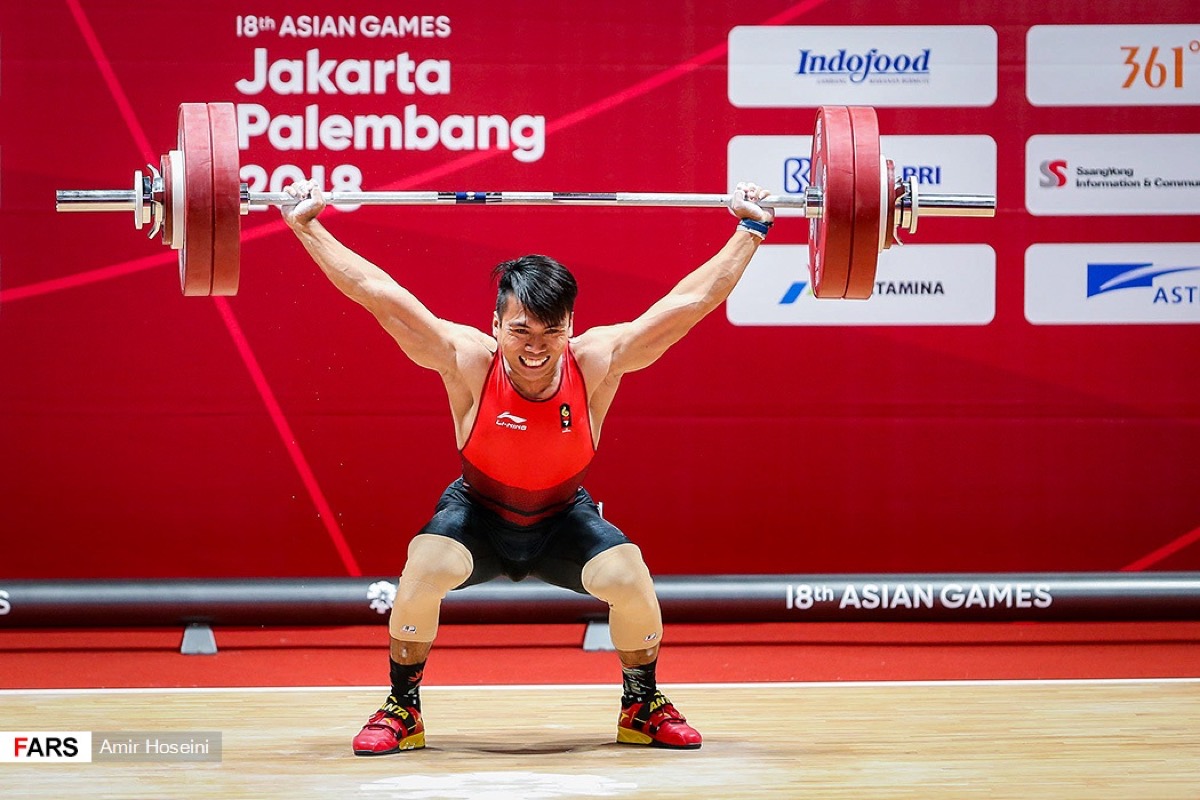
Muscle memory is usually talked about as a feeling, that getting back into shape is easier the second time. There is a molecular version of the claim: human muscle shows an of resistance training. Whether interval training leaves the same trace was unknown. So twenty people did two months of high-intensity interval training, stopped for three months, and did it again, with biopsies throughout.
The molecules remembered and the fitness did not. Maximal oxygen consumption improved during training and again during retraining, with no difference between the two. But thousands of showed a state after training that was retained through three months of exercise cessation and into retraining, and five genes kept both that profile and increased expression.
Human skeletal muscle displays an epigenetic memory of resistance exercise induced hypertrophy, which is the molecular version of the familiar claim that getting back into shape is easier the second time. Whether high-intensity interval training evokes a comparable memory was unknown, so this study used repeated training interspersed with a period to find out.
Twenty healthy subjects, averaging 25 years old, completed two interval training interventions lasting two months each, separated by three months of detraining. Measurements at baseline, after training, after detraining and after retraining included maximal oxygen consumption, and vastus lateralis biopsies were taken for genome-wide DNA methylation and targeted gene expression analysis.
The physiological result is a null. Maximal oxygen consumption improved during training and during retraining, with no difference between the two interventions. Whatever the muscle had retained, it did not make the second round of adaptation any faster or larger.
The molecular result is not. Thousands of differentially methylated positions predominantly showed a hypomethylated state after training, retained even after three months of exercise cessation and into retraining. Five genes, ADAM19, INPP5a, MTHFD1L, CAPN2 and SLC16A3, carried differentially methylated regions with retained profiles and increased gene expression, three of them involved in lactate transport and calcium signaling. The authors conclude that human skeletal muscle possesses an epigenetic memory of interval training, while stating that significant memory was not observed in physiological parameters.
wat. Three months off left this muscle’s methylation marks in place and its measured fitness no better the second time around.
wat wat
The gap between the two results is the finding. A memory visible in methylation and gene expression but not in anybody’s fitness is a reminder that a molecular trace is not automatically a performance advantage.
How do we know?
Pilotto and colleagues had 20 healthy subjects complete two two-month interval training blocks, separated by three months of detraining. They measured maximal oxygen consumption and took vastus lateralis biopsies for genome-wide DNA methylation and targeted gene expression analysis.
What is still unknown
Twenty subjects, and the authors state plainly that significant memory was not observed in physiological parameters. The functional consequence of the retained methylation is unestablished.
Learn something?
Where to next
 Does an ice bath after training actually speed up recovery?training
 Coffee before lifting: real strength, or just a feeling of alertness?training
 Does the menstrual cycle really decide when you will train best?training