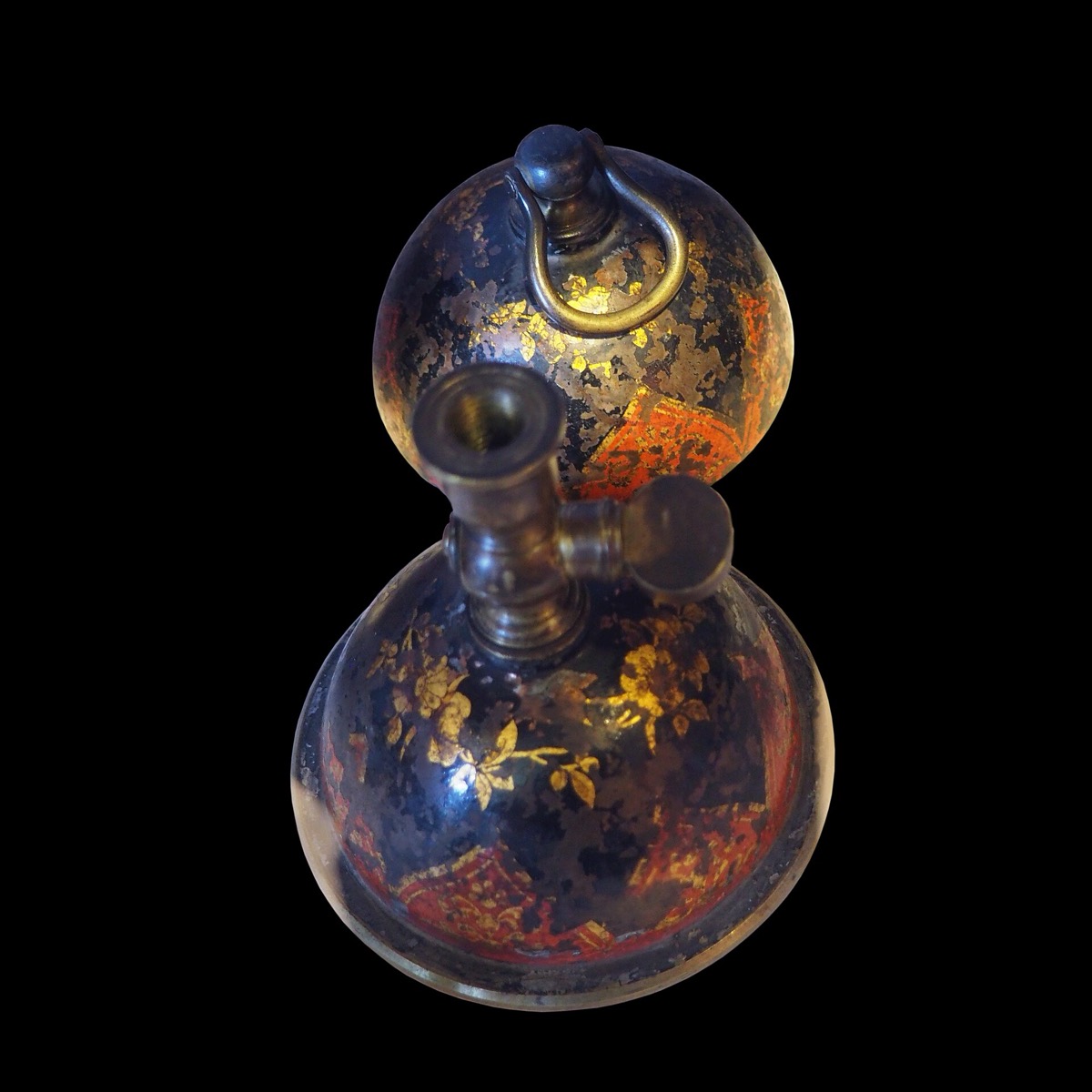
In sixteen fifty, the mayor of Magdeburg invented the and began making partial vacuums with it, finding among other things that light crosses a vacuum and sound does not. Four years later he staged a demonstration in front of the Holy Roman Emperor using two and nothing else to fasten them. Horses could not separate them. What was holding?
The air outside. Guericke put the two bowls together into a hollow sphere about thirty-five and a half centimeters across and pumped the air out. Horses were then unable to pull them apart, although nothing joined them but the surrounding air. The demonstration at in sixteen fifty-four was the first showing of the force air pressure exerts.
Guericke was an engineer and a politician as much as an experimenter. Born in Magdeburg in sixteen hundred and two, he studied at Leipzig, Jena and Leyden. He served as an engineer in the army of Gustavus II Adolphus of Sweden, and was mayor of Magdeburg from sixteen forty-six to sixteen eighty-one.
In sixteen fifty he invented the air pump and used it to create a partial vacuum, which turned a philosophical dispute into an apparatus. His studies with it established that light travels through a vacuum while sound does not, and he used it to examine the role of air in combustion and in respiration.
The demonstration everyone remembers came in sixteen fifty-four, in a famous series of experiments performed before Emperor Ferdinand III at Regensburg. He placed two copper bowls together to form a hollow sphere about thirty-five and a half centimeters in diameter and removed the air from inside. Horses were then unable to pull the bowls apart, even though they were held together only by the air around them. That was the first demonstration of the tremendous force air pressure exerts.
He published the details himself in sixteen seventy-two, in the New Magdeburg Experiments About the Vacuum. That book also illustrates a quieter version of the same point: a platform suspended from an evacuated sphere, loaded with increasing weights. By then he had also built the first electric generator, in sixteen sixty-three, a revolving charged by friction, and had become the first person to see its surface glow.
wat. Nothing was holding the bowls together. Something had stopped pushing back from inside.
wat wat
The pressure was always there, pushing on everything from every side. Taking the air out of one small volume is what made it visible.
How do we know?
Britannica’s account of Otto von Guericke, who published the details himself in sixteen seventy-two in a work whose title translates as New Magdeburg Experiments About the Vacuum.
What is still unknown
An encyclopedia account of a seventeenth-century demonstration. It gives the sphere’s diameter and the occasion without the number of horses or any measurement of the force involved.
Learn something?
Where to next
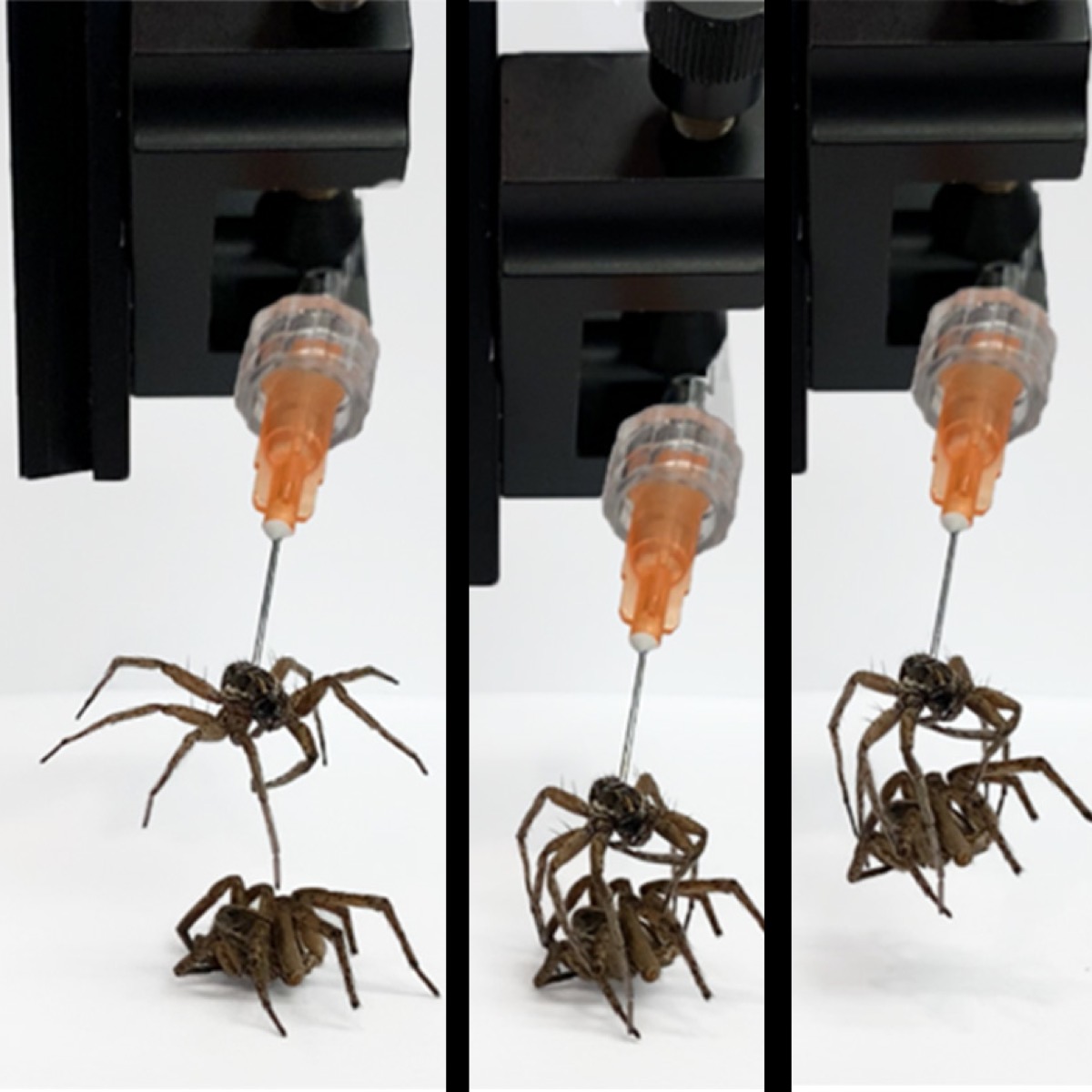 How did a dead spider become a ready-made robotic arm?air pressure
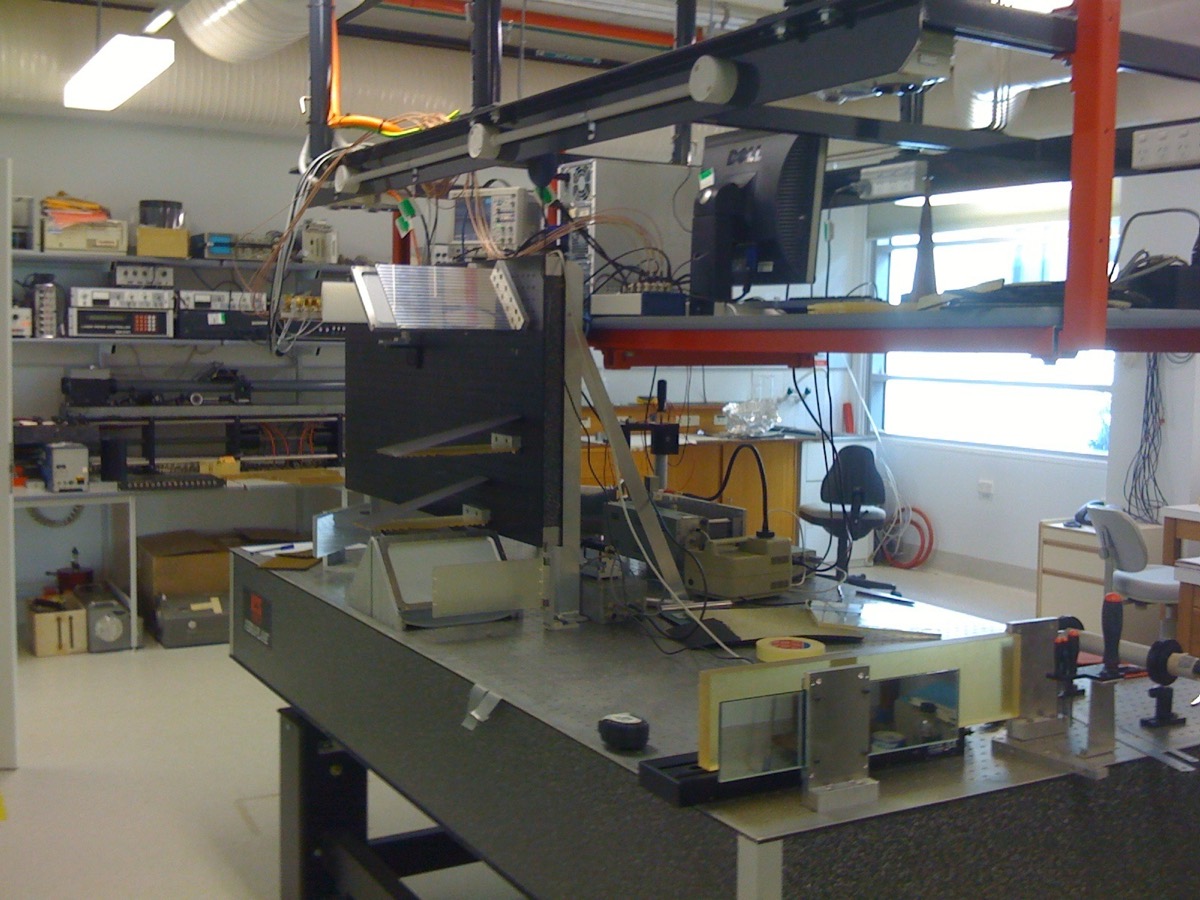 Can two metal plates be pushed together by nothing at all?vacuum