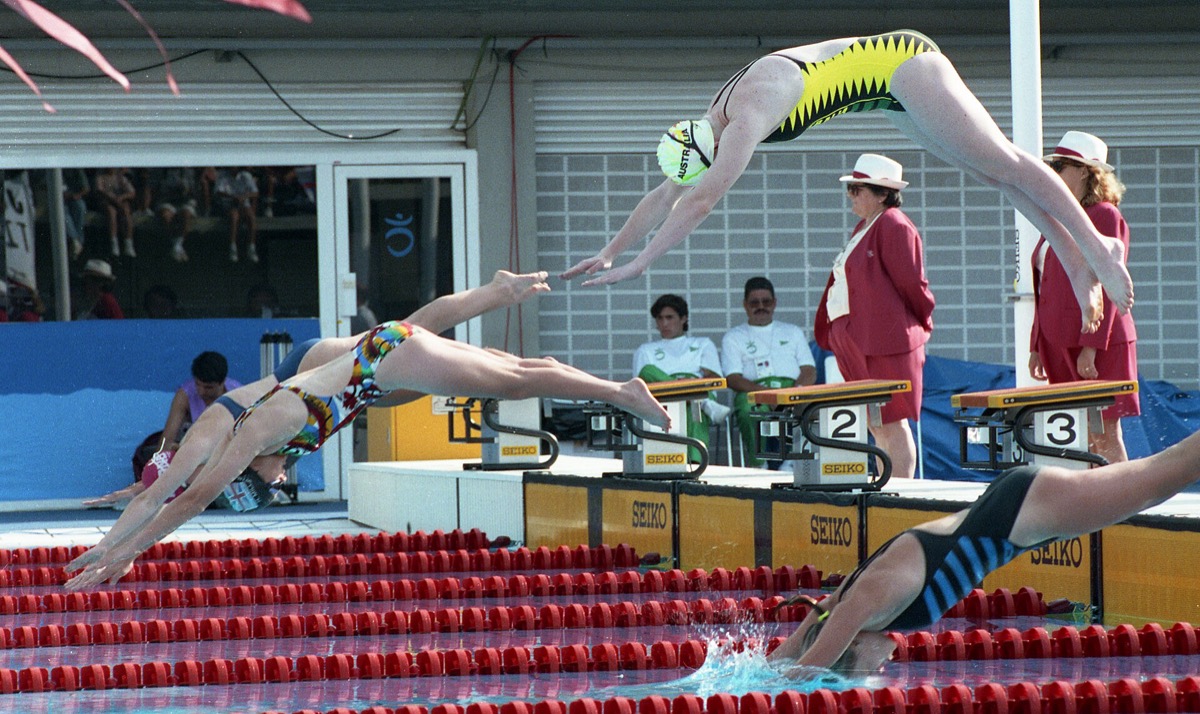
Trapped air. The FINA executive met in Lausanne in June 2009 to decide which suits to approve, and the criterion at issue was whether a suit’s construction or material created effects. Manufacturers re-presented modified suits and argued their designs did not. The executive then admitted something unusual about its own test.
It found that evidence of an in-use air trapping effect is complex. Establishing it with certainty for a particular suit would need control mechanisms and test methods that take considerable time to build. So where there was reasonable doubt, the doubt counted in the suit’s favor. The industry had been given little time to anticipate the rules, and existing stock was a real consideration.
The FINA executive met in Lausanne on the nineteenth of June 2009 to consider swimsuit approvals under the that followed the Dubai Charter. It reviewed recommendations issued the previous day by the , covering suits subject to re-examination after the commission’s first meeting in May. Manufacturers had re-presented their suits with modifications.
The argument turned on one property. In certain cases manufacturers submitted that the construction or material of their suits would not create air trapping effects, which is the characteristic that would lift a swimmer in the water and cut drag. The executive approved the suits on an attached list.
Its explanation of how it reached that point is unusually candid for a regulator. The executive found that evidence of an in-use air trapping effect is complex, and that comprehensive control mechanisms and test methods permitting certainty for a particular suit would take considerable time to create and implement. In a transitory period where industry had little time to anticipate the requirements, the impact of the process on existing production and stocks also mattered.
The conclusion follows from that admission. Where there was reasonable doubt as to the effect, the doubt had to be taken into account in the decision on that suit. To secure a , the approved suits would be available to all swimmers at the World Championships in Rome, where they would be labeled and checked before competition. One caution: this is the regulator announcing its own decision, so the reasoning is given and the evidence is not.
wat. The rule was about trapped air, and nobody yet had a way to measure it.
wat wat
A rule is only as good as the test behind it. The governing body said plainly that it could not yet measure the thing it was regulating, and approved suits accordingly.
How do we know?
FINA’s own press release from the executive meeting of 19 June 2009 sets out the approval process, the air trapping criterion, how reasonable doubt was handled, and the arrangements for checking suits in Rome.
What is still unknown
A press release from the regulator announcing its own decision, so it presents the reasoning without the evidence considered, and names no suit or manufacturer in the text itself.
Learn something?
Where to next
 Why does a swimmer work less behind another swimmer?swimming
 Is the sprint false-start rule set at the wrong number?rules
 Where was snooker invented, and by whom?rules