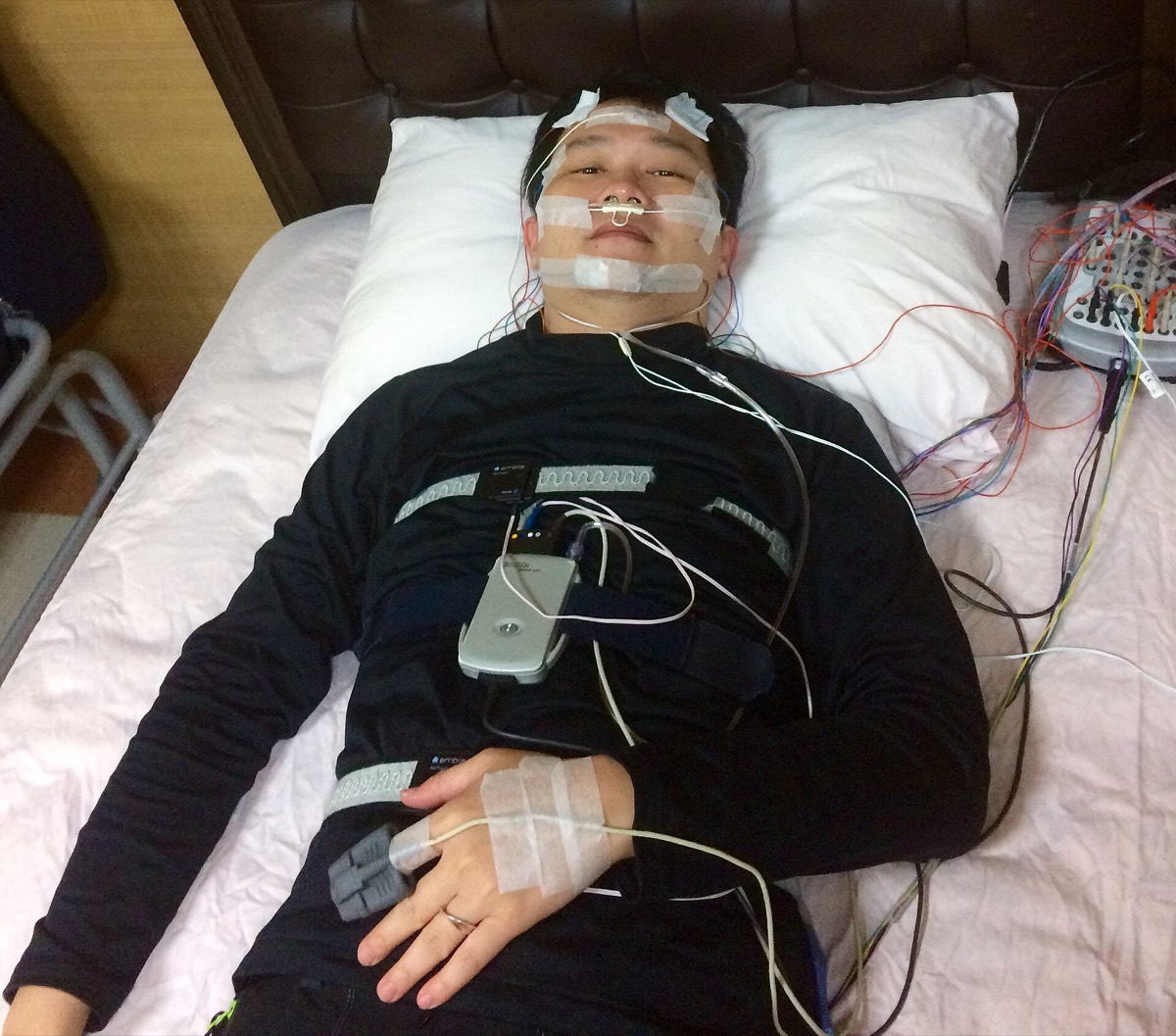
Everything known about dreams comes from reports written after waking, and those are distorted by forgetting and by reconstruction. That is a foundational problem for studying dreaming at all. The way around it would be to reach someone while they are still inside the dream, which means someone inside a , aware that they are dreaming. Four laboratory groups tried it in 36 people during verified REM sleep. Did anyone answer?
Answers came back, 29 times. Sleepers in verified REM sleep perceived questions from an experimenter and replied with distinctive eye movements and selective , producing correctly answered questions on 29 occasions across six of the people tested. Doing that required perceiving genuinely novel information, holding it in , computing a simple answer, and choosing to reply. All of it while asleep.
Dreams deliver a hallucinatory world that feels as real as waking life, and they remain poorly explained. A large part of the reason is methodological. Retrospective dream reports are subject to distortion and forgetting, so the data the field works from are already degraded by the time anybody writes them down.
The way around that is to reach the dreamer during the dream, and lucid dreaming opens the way. Someone aware that they are currently dreaming can in principle receive a question from outside and decide to answer it. These researchers implemented procedures for two-way communication during REM sleep in 36 individuals, some practiced lucid dreamers, some near-beginners, and one a patient with narcolepsy.
What the sleepers managed is worth listing. They carried out veridical perceptual analysis of novel information, meaning they took in something nobody had prepared them for. They maintained information in working memory, computed simple answers, and expressed volitional replies, using distinctive eye movements and selective facial muscle contractions.
That produced correctly answered questions on 29 occasions across six of the individuals tested, with the observations documented by four independent laboratory groups. The authors present it as proof that the phenomenological and cognitive characteristics of dreaming can be interrogated in real time. Keep the hit rate in view, though. Most participants never managed an exchange, the channel carries only a few bits, and twenty-nine successes is a demonstration rather than a routine method.
wat. Asked arithmetic in the middle of REM sleep, six dreamers answered correctly with their eyes and their faces, twenty-nine times over.
wat wat
It converts dream research from memoir into measurement. A question answered in real time escapes the distortion of a morning report, which had been the field’s central methodological obstacle.
How do we know?
Konkoly and colleagues implemented two-way communication during polysomnographically verified REM sleep in 36 individuals across four independent laboratory groups, reading replies from eye movements and facial muscle signals.
What is still unknown
Twenty-nine successful exchanges across six of 36 individuals is a low hit rate, the answers are a few bits wide, and most people never managed it at all.
Learn something?
Where to next
 Does the full moon really keep people awake?sleep
 Does REM sleep solve the problem, or only rearrange it?sleep
 What is the right thing to say when someone tells you good news?communication