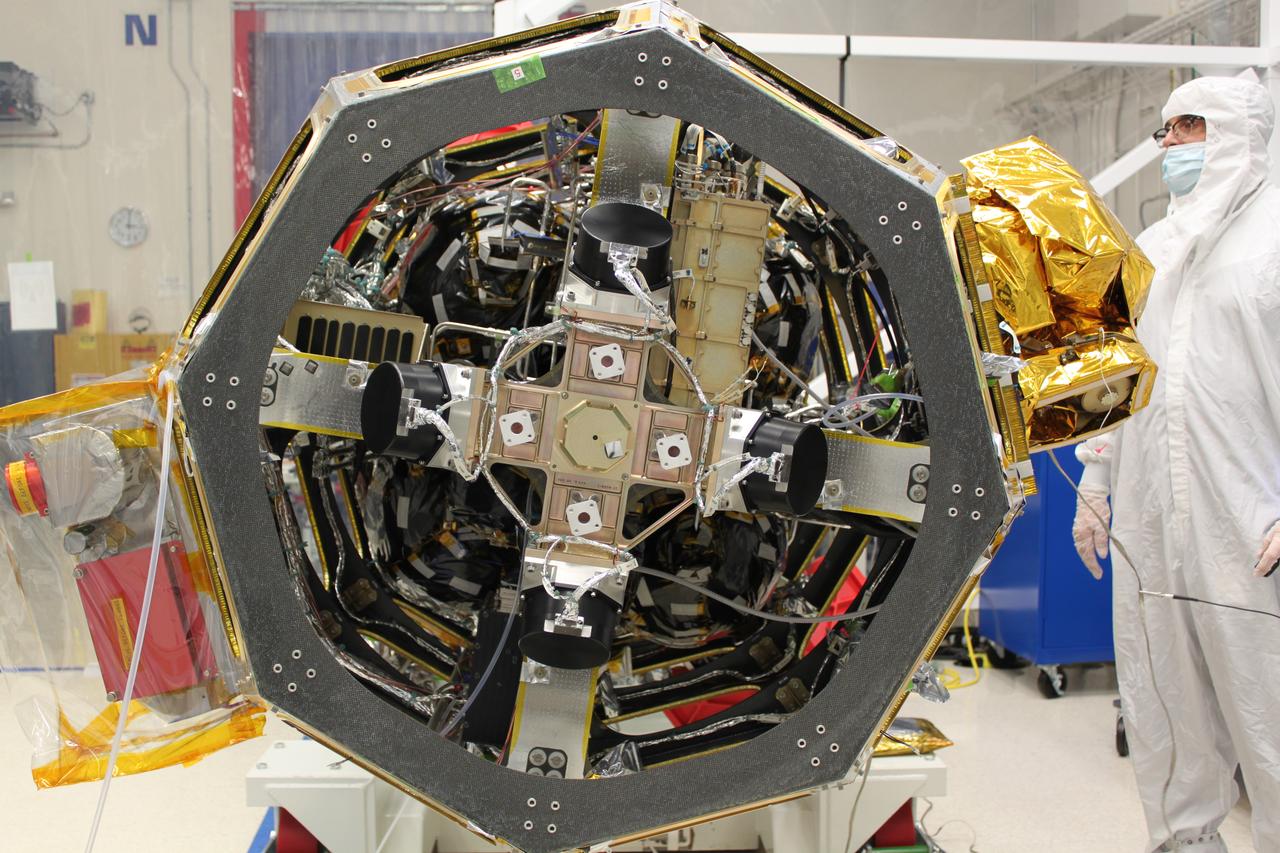
Because radio is the bottleneck. The amount of scientific data that can be transmitted from deep-space probes is very limited by the constraints of radio communications. can relieve that, increasing the while reducing the weight, mass and power of the communication equipment the spacecraft has to carry.
The difficulty moves to the receiving end. Optimizing power delivery from spacecraft to Earth is still needed, because optical links share radio’s basic problem of very little power arriving. In radio the strategy has been to build ever larger ground , and optical can follow the same path, except that the cost of big telescopes rises exponentially with aperture.
The limit on what a deep-space mission can tell us is not usually its instruments. The amount of scientific data to be transmitted from deep-space probes is very limited due to radio communications constraints, which means a spacecraft can often see more than it can report.
Free-space optical communication is the proposed way out. It can alleviate the bottleneck, increasing the data rate while reducing the weight, mass and power of the communication equipment carried onboard. The better link is also the lighter one, which is unusual.
The problem does not disappear, it relocates. Optimizing power delivery from spacecraft to Earth is still needed, because optical links share with radio the basic limitation of very low power received on the ground. Radio solved it by enlarging the ground terminals. Optical can follow.
The obstacle there is money. As the cost of big telescopes increases exponentially with aperture, new ideas are required to maximize the aperture-to-cost ratio. This paper explores using the telescopes of the future as optical communication receivers. Facilities built to catch faint flashes of light from gamma-ray showers turn out to suit this well. They are good at catching faint flashes of light. One caution: this is a feasibility study of a ground-receiver proposal, not a measurement of a working link.
wat. The limit on what a probe can tell us is how fast it can speak, not how much it sees.
wat wat
A probe’s data rate is not set by its instruments but by what it can get home. Lifting that limit changes what is worth flying, and it does so while making the radio hardware lighter.
How do we know?
A feasibility study examines whether the telescopes of the Cherenkov Telescope Array, built for gamma-ray astronomy, could serve as optical communication ground receivers. New ideas are needed to maximize aperture per unit cost.
What is still unknown
A feasibility study of one proposed ground-receiver idea rather than a measurement of an operating link. The comparison with radio is stated as the motivation for the work rather than quantified in it.
Learn something?
Where to next
 What had to change before glass could carry a phone call?communication
 What do elephants hear through the soles of their feet?communication
 How does a story change a mind without presenting a single argument?communication