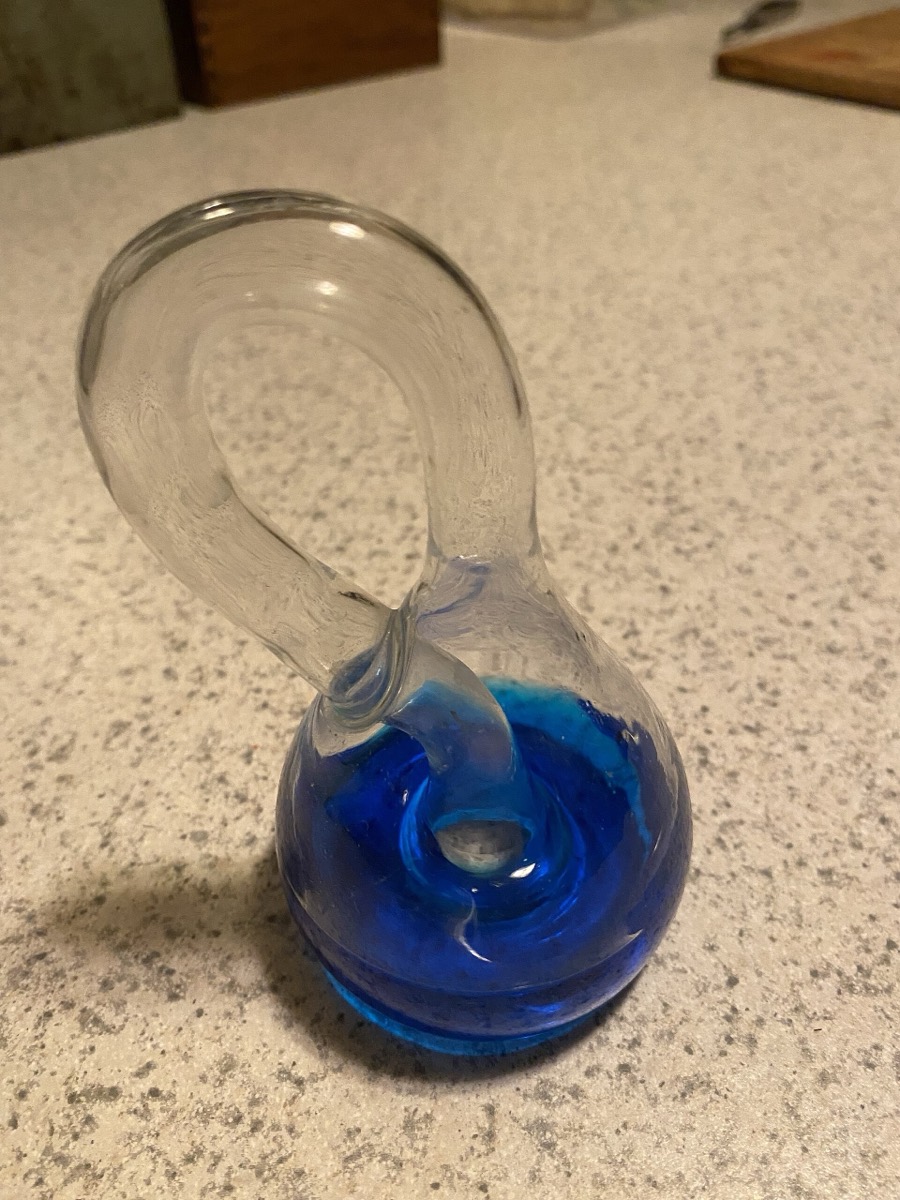
The Klein bottle is a closed surface with no inside or outside, first described by Felix Klein. You can build one on paper by gluing both pairs of opposite edges of a rectangle, giving one pair a half-twist. The glass ornaments sold under the name are not quite the thing itself.
Because it needs a fourth dimension. The surface can be physically realized only in four dimensions, since it must pass through itself without the presence of a hole. What sits on a shelf is an in three-space, and there is another one as well, the figure-8 immersion built by rotating a figure eight while placing a twist in it.
The Klein bottle is a closed nonorientable surface of 0 that has no inside or outside, originally described by Felix Klein. It can be constructed by gluing both pairs of opposite edges of a rectangle together, giving one pair a half-twist.
Three dimensions are not enough for it. The surface can be physically realized only in four dimensions, since it must pass through itself without the presence of a hole, and its topology is equivalent to a pair of cross-caps with coinciding boundaries.
What we draw and sell is therefore an immersion. The usual picture is one in three-space, with its own implicit and parametric equations. The figure-8 immersion is an alternative, obtained by rotating a figure eight about an axis while placing a twist in it.
Cutting and coloring both produce oddities. It can be cut in half along its length to make two Möbius strips, or cut into a single one. Any set of regions on it can be colored using six colors only, the sole exception to the .
wat. The neck has to pass through the wall, and in three dimensions it cannot do that without a hole.
wat wat
The glass model is a compromise you can hold, which makes the gap between a surface and its immersion unusually easy to see.
How do we know?
Wolfram MathWorld gives the definition, the implicit and parametric equations for the usual immersion, and the results on cutting and coloring it, each referred back to the literature.
What is still unknown
A reference entry, which states results and cites them rather than proving them.
Learn something?
Where to next
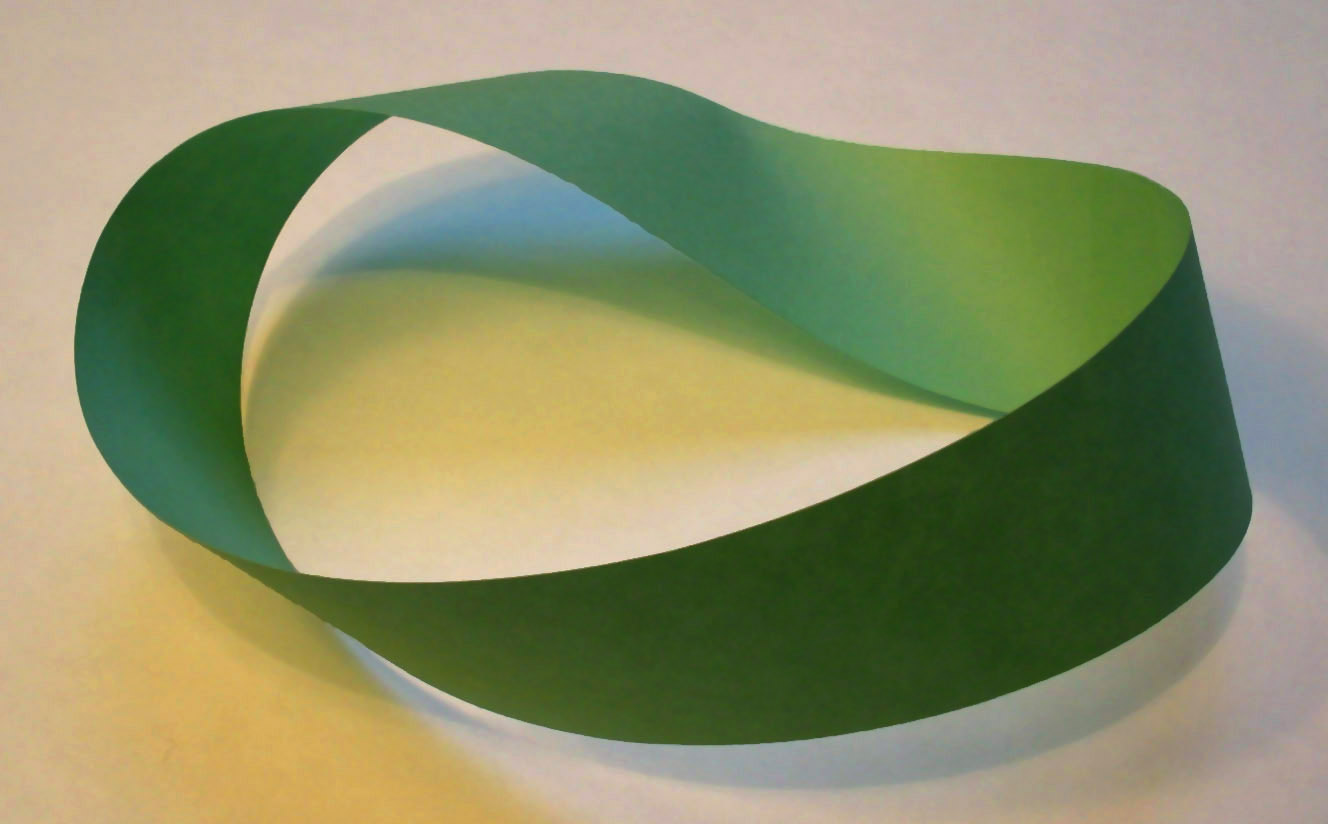 What do you get if you cut a one-sided surface down the middle?topology
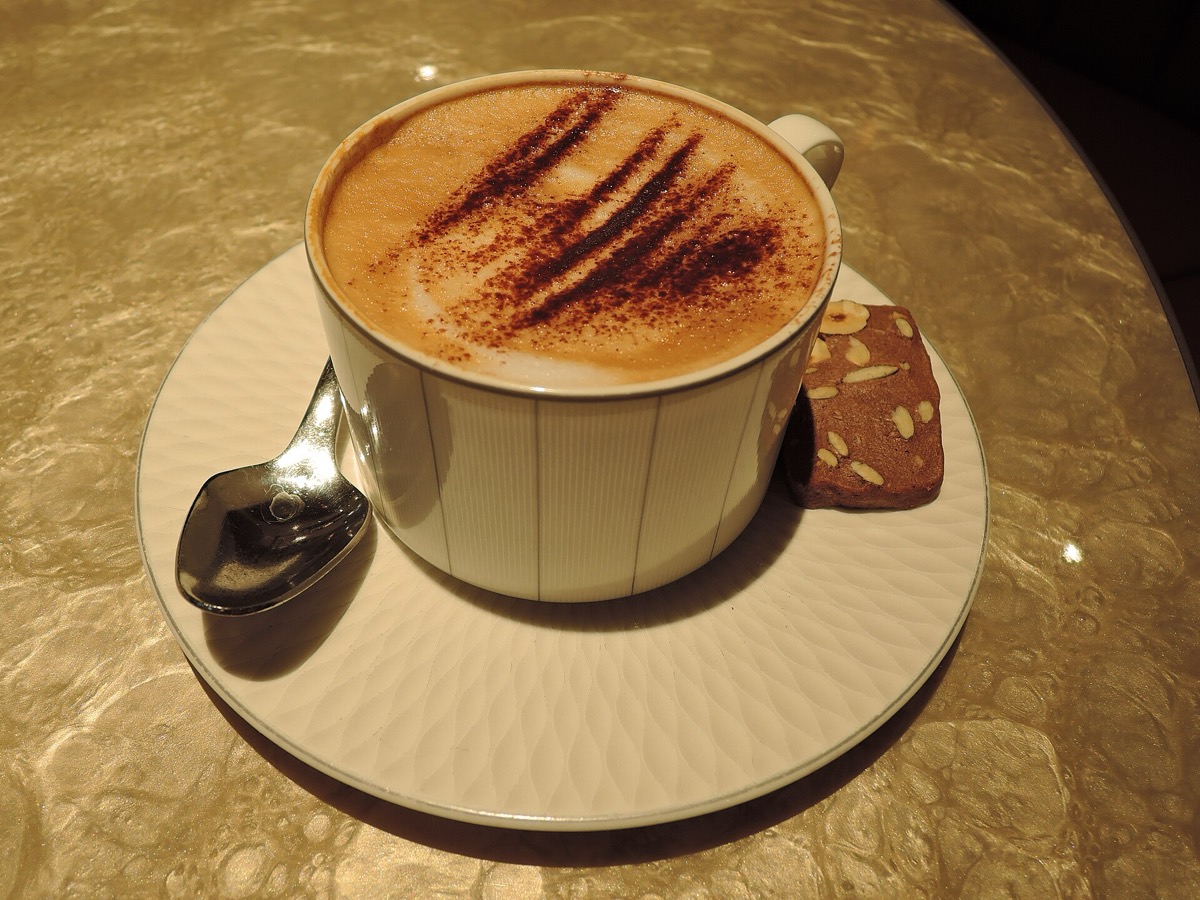 Why is there always one point in the coffee that did not move?topology
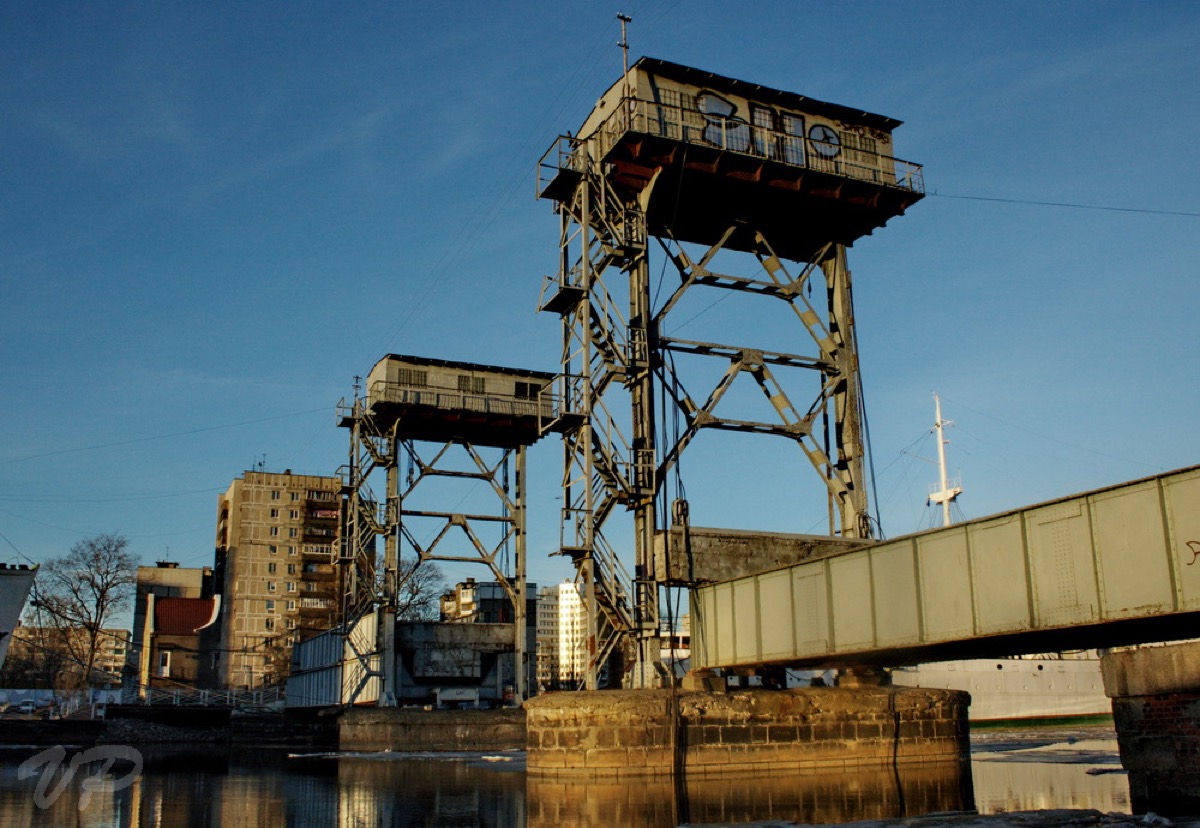 Which walk through a city turned out to be impossible?topology