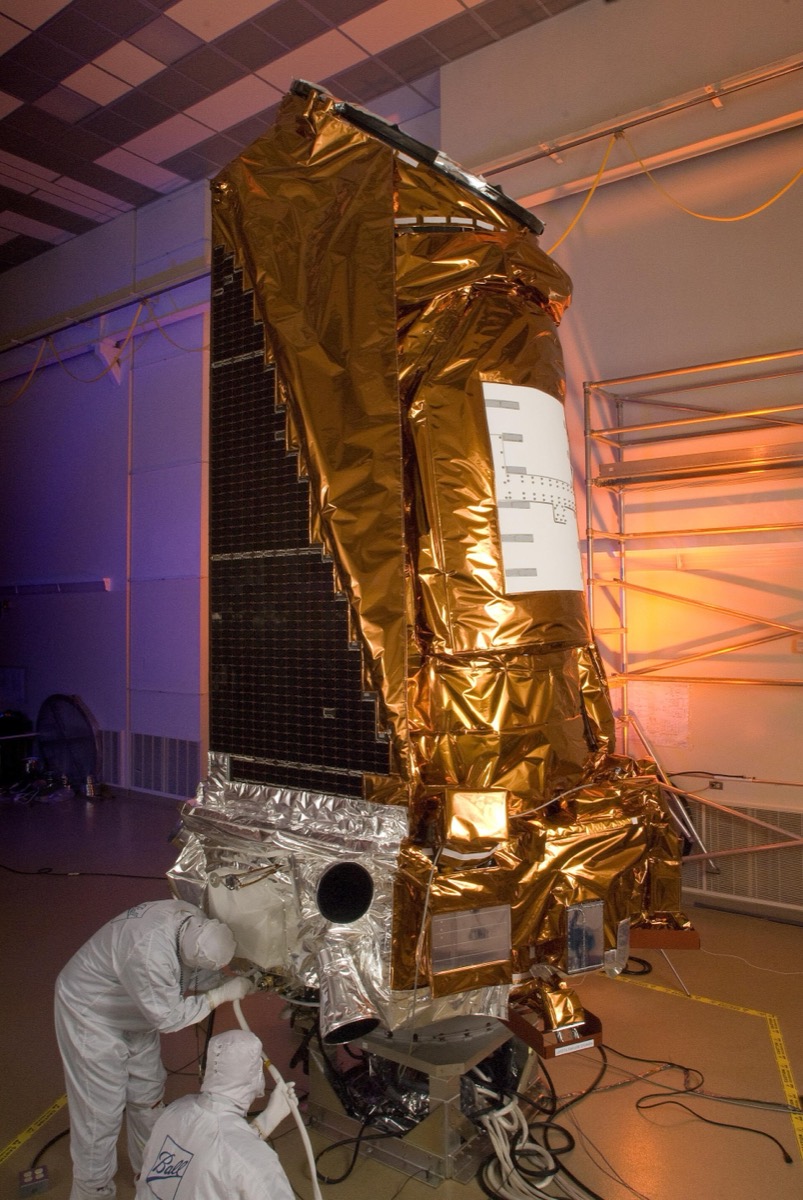
A pair of stars circling each other makes a messy gravitational neighborhood, and whether a planet could hold a stable orbit around both was an open question with a famous fictional answer. Then Kepler watched a planet cross both stars in turn. What did the geometry turn out to be?
Remarkably flat and tidy. The planet is comparable to Saturn in mass and size, on a nearly circular 229-day orbit around both stars, which are 20 and 69 percent as massive as the Sun on an 41-day orbit. All three bodies move within half a degree of a .
The detection reported here is of a planet whose orbit surrounds a pair of low-mass stars. Data from the Kepler spacecraft reveal of the planet across both stars, in addition to the mutual eclipses of the stars themselves.
That combination is unusually generous. Transits and eclipses together give precise constraints on the absolute dimensions of all three bodies, which is rarely available for a planetary system.
The numbers come out as follows. The planet is comparable to Saturn in mass and size, on a nearly circular 229-day orbit around its two parent stars. The eclipsing stars are 20 and 69 percent as massive as the Sun, on an eccentric 41-day orbit.
The geometry is the part that carries the inference. The motions of all three bodies are confined to within half a degree of a single plane, which suggests the planet formed within a disk rather than arriving later from somewhere else.
wat. Kepler-16 holds a Saturn-sized planet circling two stars, with all three orbits in nearly the same plane.
wat wat
A planet that formed in a disk around two stars widens where planets can exist, since most stars come in pairs or groups.
How do we know?
Doyle and colleagues used Kepler data showing transits of the planet across both stars plus the mutual eclipses of the stars, which together constrain the absolute dimensions of all three bodies.
What is still unknown
This is one system, and its tight coplanarity is evidence about how this planet formed rather than a rule for all circumbinary planets.
Learn something?
Where to next
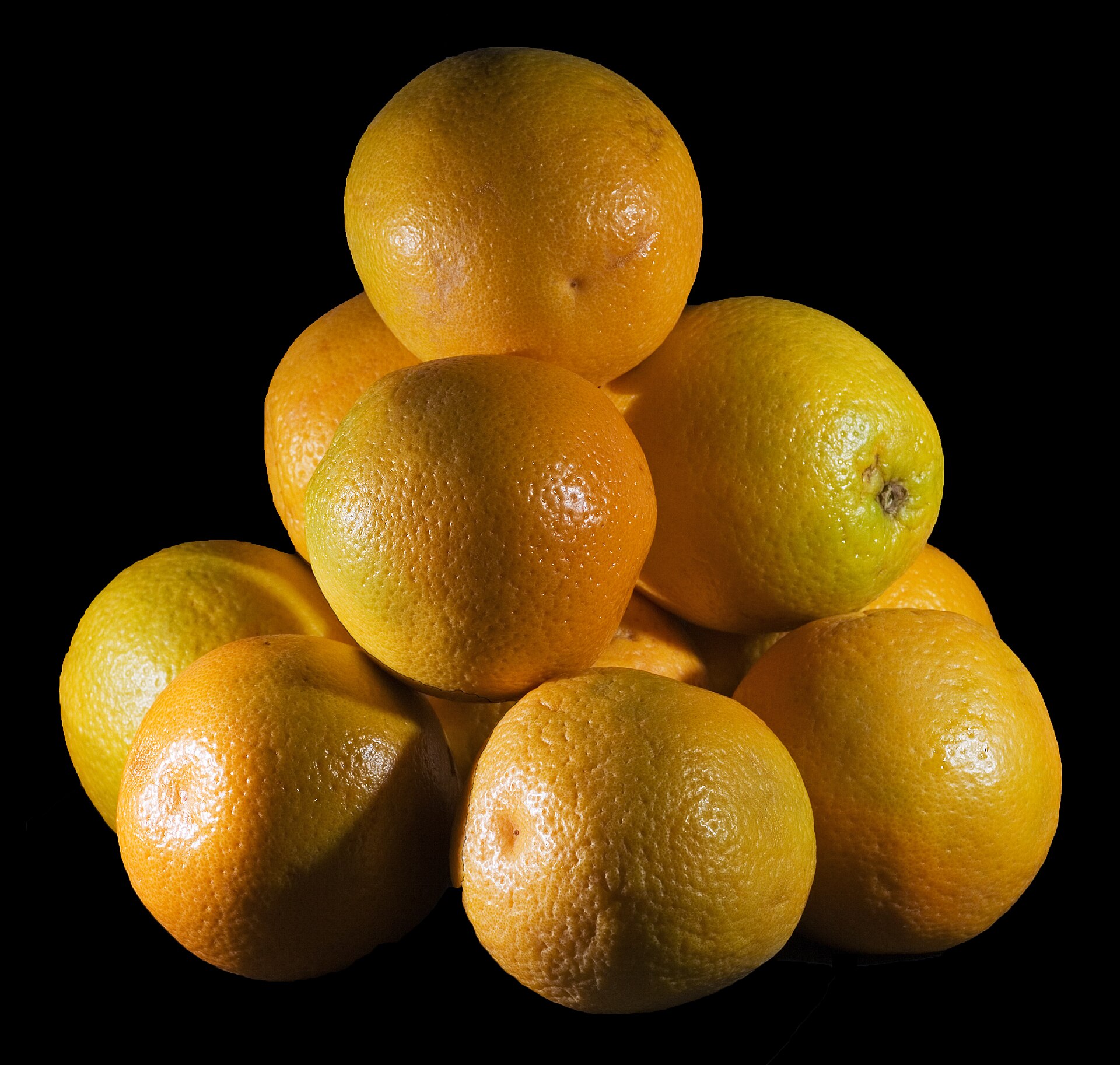 Is there a way to stack oranges more densely than the greengrocer does?Kepler