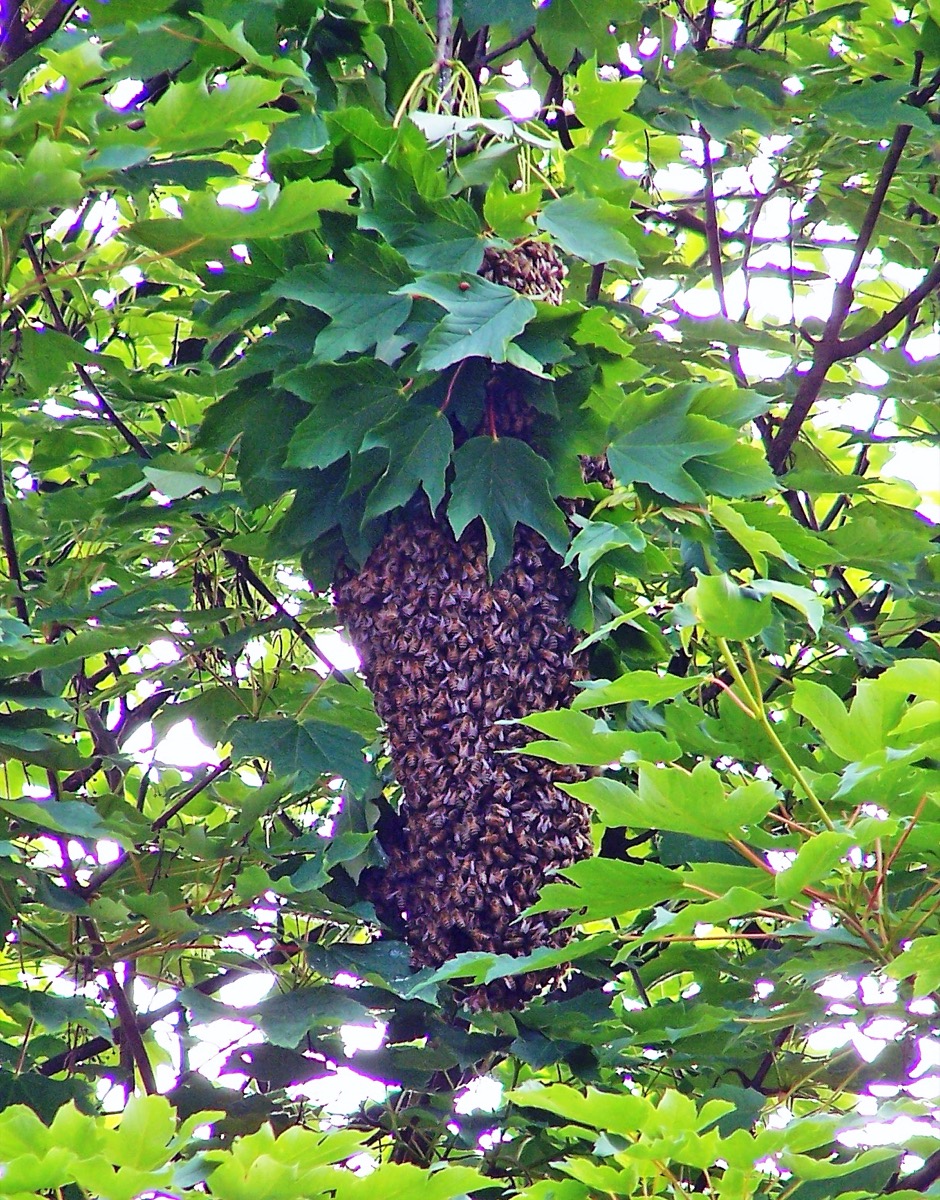
Condorcet’s says that when group members hold noisy but independent information about what is best, majority decisions tend to beat dictatorial ones. Add communication and the independence breaks: pooling improves, and errors amplify too. Honeybees choosing a nest site do both at once.
By scouting separately and then recruiting. When nest sites vary in quality, scouts gather their own information and also communicate, which is the combination the theorem struggles with. The authors built an of the process to see when helps the swarm and when it hurts.
Condorcet’s jury theorem shows that when the members of a group have noisy but independent information about what is best for the group as a whole, majority decisions tend to outperform dictatorial ones. The independence is doing real work in that result.
Communication complicates it. When voting comes with communication, the resulting interdependencies between decision makers can strengthen or undermine the effect: they help pool information, and they also amplify errors.
Honeybee swarms are an intriguing non-human case of independent information pooling combined with communication. It is empirically well documented that when there are different nest sites varying in quality, the bees arrive at good choices.
So the authors build an agent-based model of in Apis mellifera, which lets the independence and the communication be separated and varied. What the model is for is the question of when interdependence helps a group decide well and when it degrades the decision.
wat. Bees scout on their own and then talk, which is exactly the case the jury theorem cannot settle.
wat wat
It is a working example of the trade-off every committee faces, in a system where the outcome can be watched and the stakes are a colony’s survival.
How do we know?
List, Elsholtz and Seeley modeled nest-site choice by Apis mellifera swarms as interacting agents, with the empirically documented behavior of scouts as the starting point.
What is still unknown
This is a model built on documented bee behavior, so its conclusions are about the model’s logic as much as about the bees.
Learn something?
Where to next
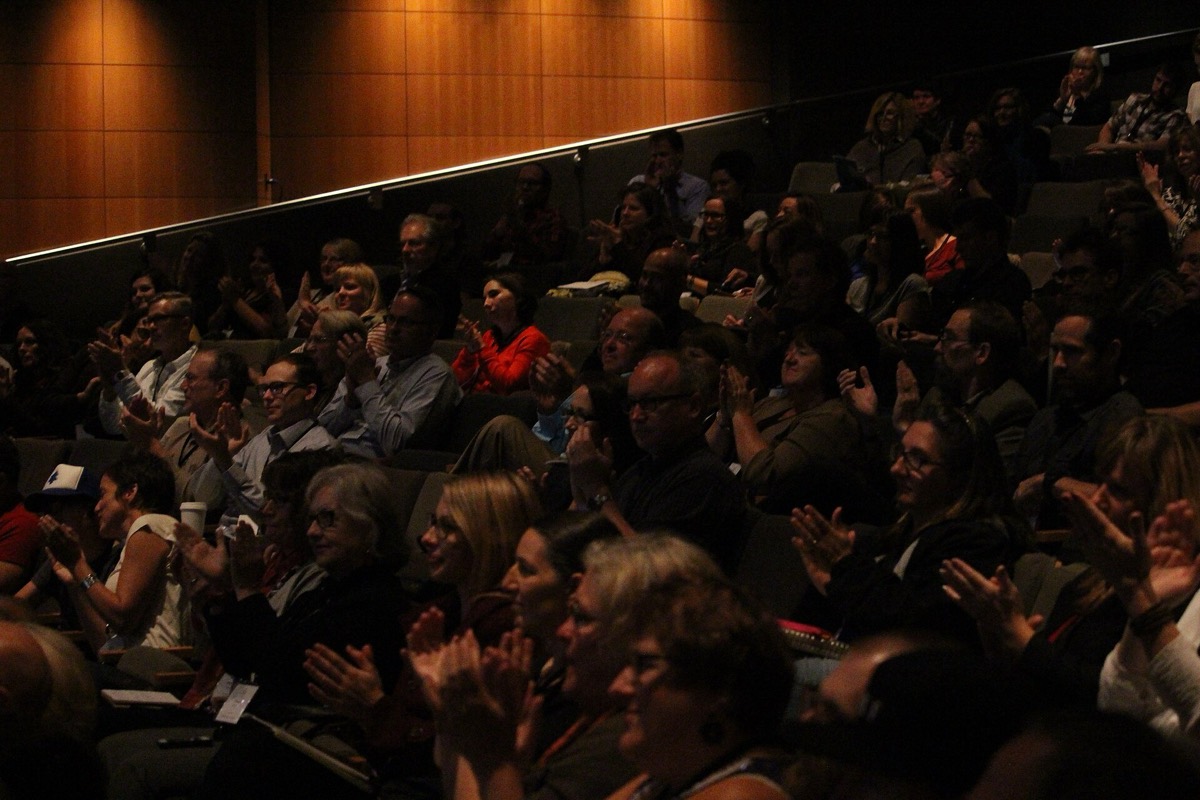 Why does applause spread through a hall even when the person beside you is silent?modeling