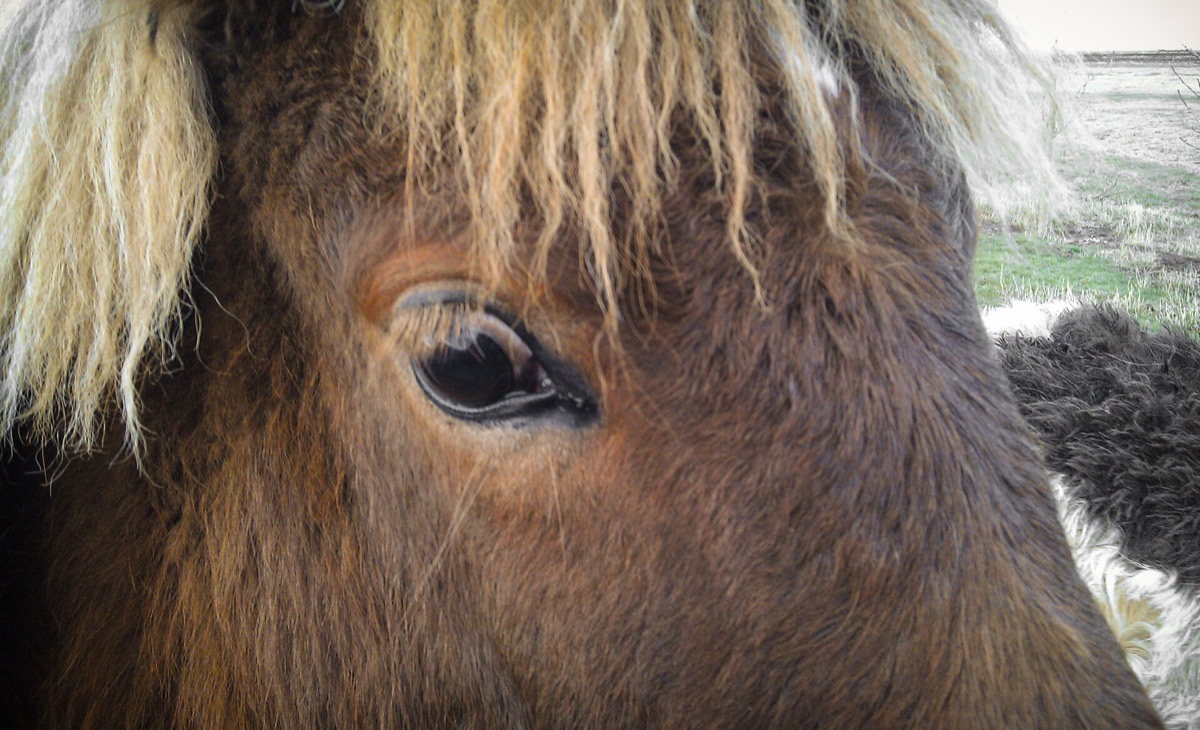
Horses read each other with a facial repertoire as rich as a dog’s, and whether they read ours was untested. The hard part is proving an animal understood a face rather than merely noticed it. So researchers showed horses photographs of happy and angry human expressions, with no training and no reward, and measured two things the horse cannot fake: which eye it looked with, and its .
The angry faces got the reaction that matters. Horses showed a toward the angry photographs, the generally associated with stimuli an animal reads as , and their heart rate climbed faster toward those same images. Neither response is available to an animal that is merely curious. Lateralized responses to human emotion had previously been documented only in dogs, and the heart rate effect in no other species at all.
Whether animals pick up human signals matters practically as well as scientifically, and it matters most for the species we live and work with. Horses have an unusually rich facial repertoire of their own, which makes them a reasonable candidate, and this was the first evidence that they tell our expressions apart spontaneously.
The design avoided training entirely. Horses were shown photographs of unfamiliar people looking either happy or angry, with nothing to earn and nothing to learn. Two measures were taken: which eye the horse used to look, and how its heart rate moved.
Angry faces produced a left-gaze bias, meaning the horses preferred to view them with the left eye, which feeds the right hemisphere. Across vertebrates that lateralization is generally associated with stimuli perceived as negative. Heart rate also rose more quickly toward the angry photographs than toward the happy ones.
Both measures point the same way, and neither is a choice the animal could be making to please anybody. Lateralized responses to human emotion had previously been documented only in dogs, and an effect of facial expressions on heart rate had not been shown in any study across species. Keep the measures honest, though. These are photographs rather than people, the session is brief, and reading the gaze bias as understanding depends on a general rule about hemispheres rather than on anything the horse told us.
wat. Shown an angry human photograph, horses turned their left eye to it and their pulse rose faster, with nobody having taught them anything.
wat wat
Spontaneous beats trained. A horse given no reason to care still sorted a scowl from a smile and reacted with its heart. That is evidence about communication between species, not about what an animal can be taught.
How do we know?
Smith and colleagues showed horses photographs of positive and negative human facial expressions without training or reward, recording gaze side and heart rate as spontaneous responses.
What is still unknown
Photographs rather than people, a brief session, and a left-gaze bias whose meaning rests on a general rule about lateralization rather than on anything the horse reported.
Learn something?
Where to next
 Can a goat tell a smiling face from an angry one?facial expressions
 If you hold a pen in your teeth, do cartoons get funnier?emotion
 What has to happen in your head for something to count as awe?emotion