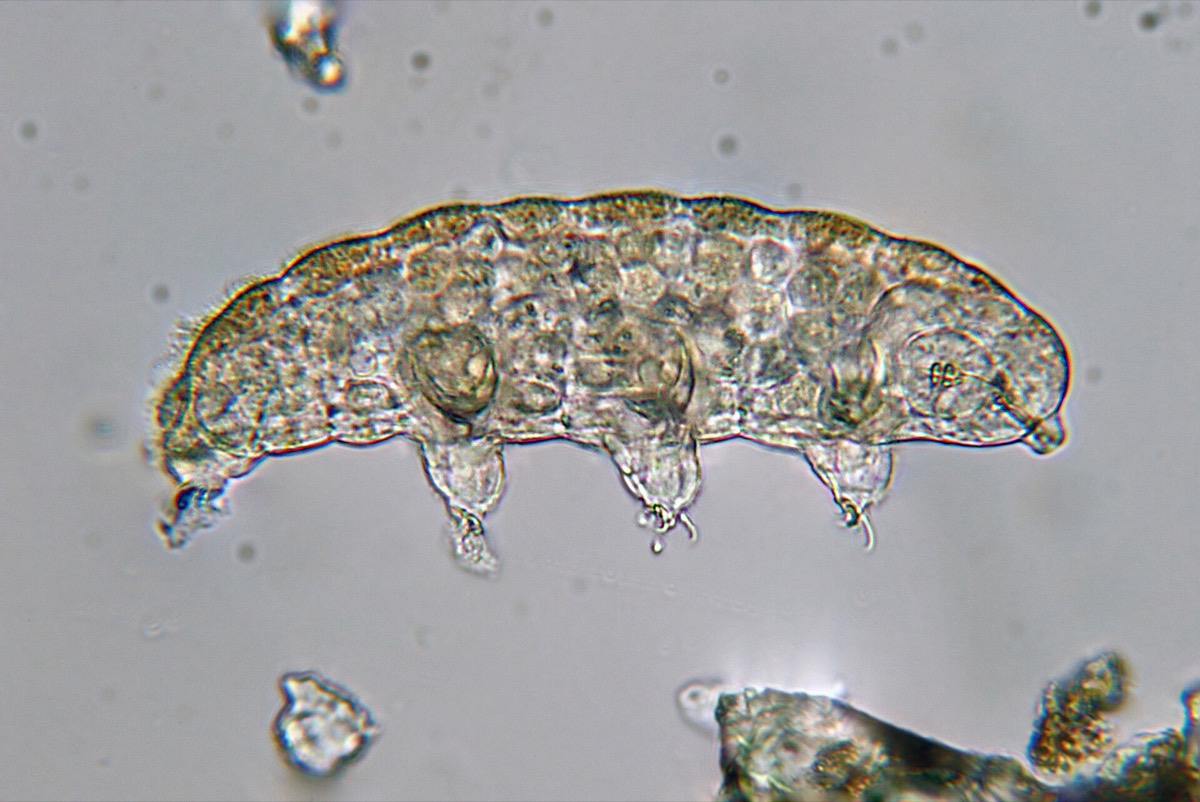
A dried water bear enters a resistant state called , in which it survives vacuum, radiation and extreme cold. The open question was whether there is any limit at all. So one was fired from a gas gun into sand bags. What did it survive?
Up to a point, and then nothing. The researchers loaded dried water bears, in the resistant state called a tun, into nylon projectiles and fired them from a gas gun into sand bags. After moderate impacts they collected the animals, rehydrated them and checked whether they moved again. Some survived 825 meters per second and a of 1.14 gigapascals, and above that .
Water bears are famous for their resilience, and the interesting question is not whether they survive but when they stop.
The researchers loaded water bears in a dried state into nylon projectiles and fired them from a gas gun into sand bags. In that state almost all the water in their bodies has been replaced by a stabilizing sugar.
Some survived eight hundred and twenty-five meters per second and a shock pressure of a little over a gigapascal. Pressure is the right measure, because the same speed strikes differently into sand, into rock or into water.
At stronger impacts they did not recover, so there is a sharp threshold here and not a slope. A threshold like that makes it possible to calculate whether is even available: whether life could survive ejection from a planet, or the collection of samples in space. The experiment tested one species in a dried state and an impact into sand, and heat, radiation and real rock add conditions that were not tested together.
wat. Dried water bears survived an impact at 825 meters per second, and beyond a shock pressure of about 1.14 gigapascals they did not recover.
wat wat
The limit helps assess panspermia, whether life could travel inside rock ejected from a planet, or survive the collection of samples from ice in space.
How do we know?
The experiment fired groups at measured speeds, computed the shock pressure from the impact, and compared recovery and reproduction with groups that were never fired.
What is still unknown
The experiment tested one species in a dried state and an impact into sand. Heat, radiation and real rock add conditions that were not tested together.
Learn something?
Where to next
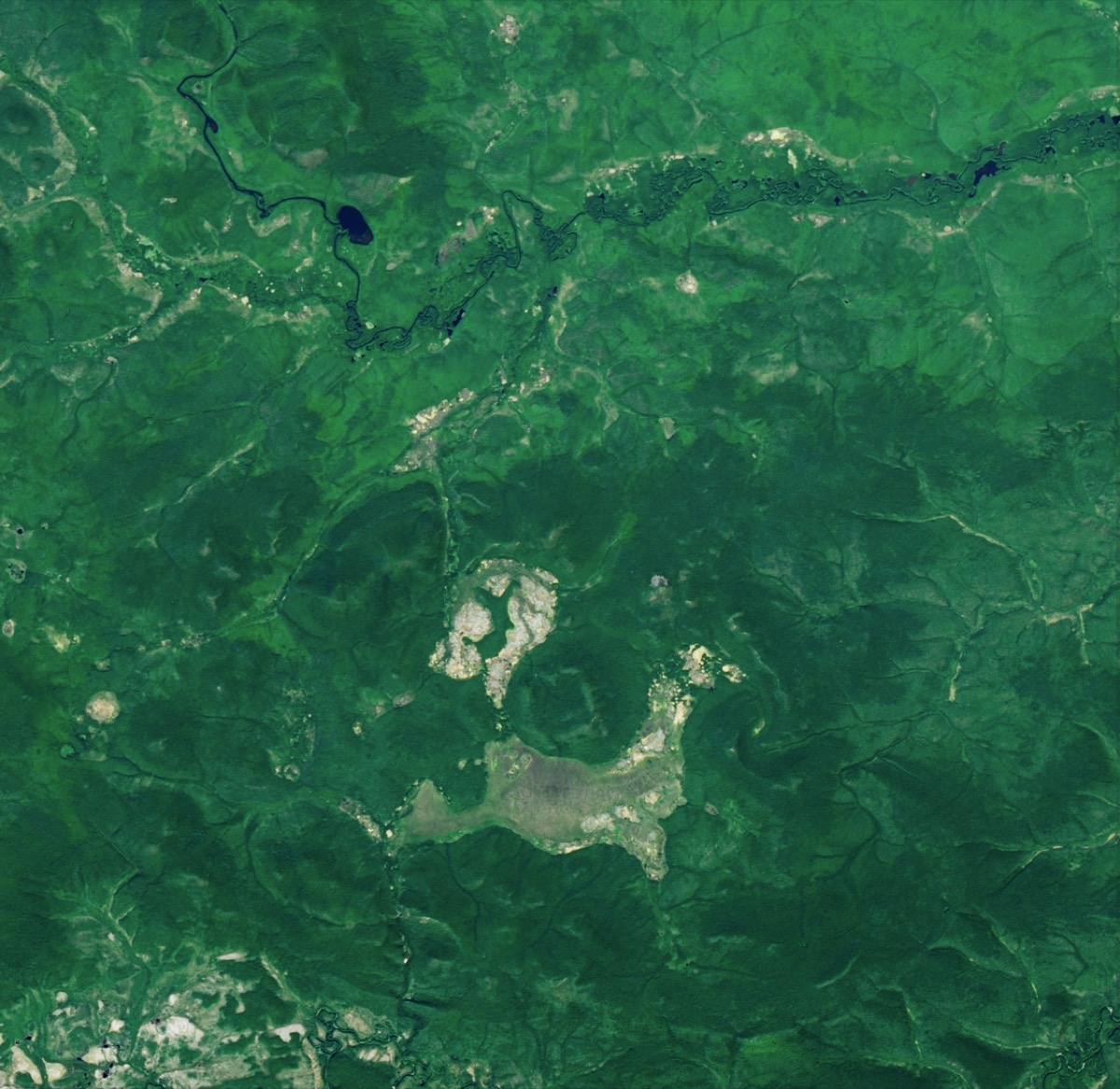 What flattens two thousand square kilometers of forest and leaves no crater?impact