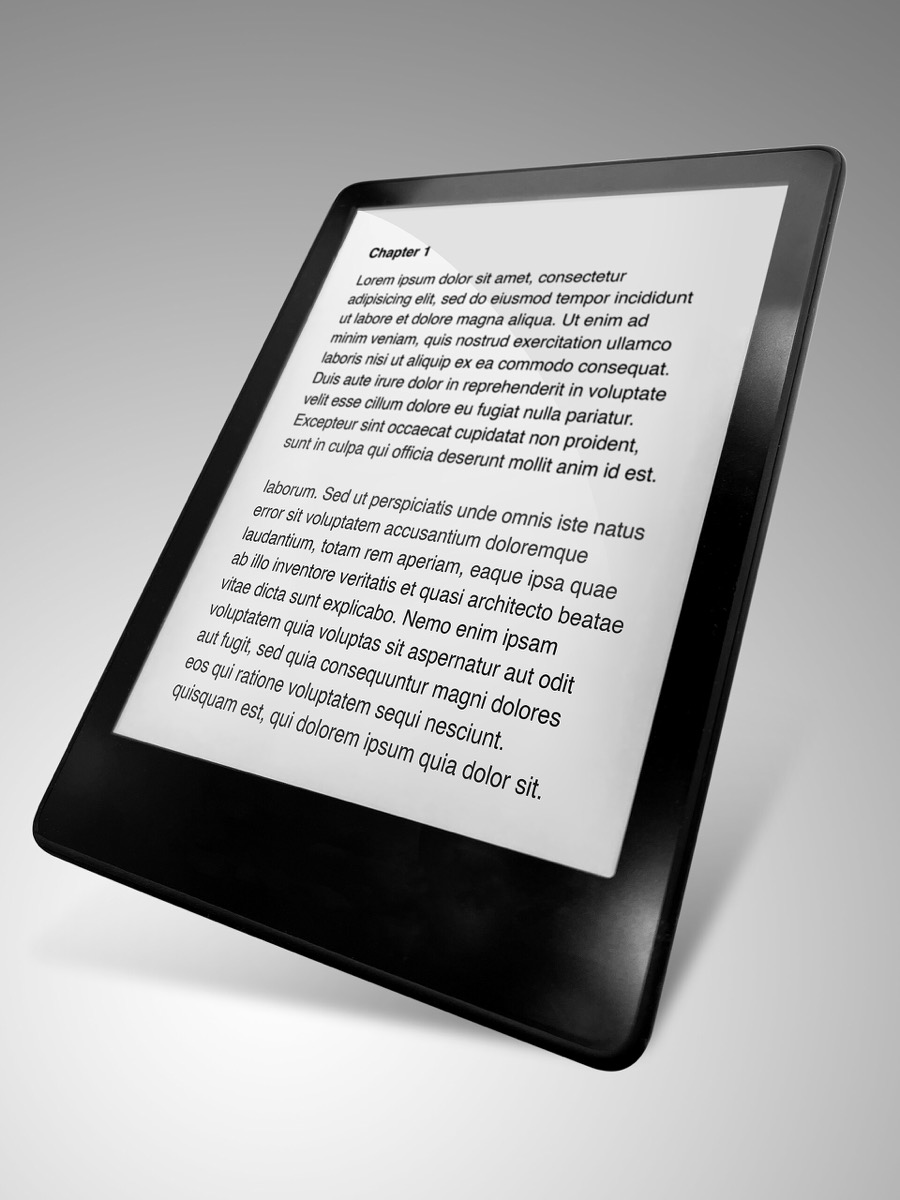
A tablet screen resembles a book far more than a desktop computer does: you hold it in your hand, it has no windows open on it, and it is a similar size. So you might expect the gap against print to vanish. What was actually found?
A small gap that survives. Across dozens of studies, comprehension on paper was still slightly better: the effect size was about . That is a only, a small average difference rather than proof that nobody can learn from a screen, and it varied with age and with the conditions of the test.
Earlier studies found a screen disadvantage, and many of them used computers. This review focused on phones and tablets.
One analysis compared and the other , and both gave a similar estimate in favor of print. About a tenth of a standard deviation, far smaller than the difference between two readers in the same classroom.
Among students and in individual testing a larger gap sometimes appeared, and no single variable explained the results consistently.
The finding does not justify banning screens. It justifies design: fewer distractions, clear navigation, and a check on whether the reader actually understood.
wat. Even on a handheld device print kept a small advantage in comprehension, and not a large gap or a fixed fate.
wat wat
In an education system moving to screens, even a small gap can accumulate when most reading happens that way.
How do we know?
The researchers ran two meta-analyses: between-subjects studies, and a within-subjects analysis in which the same person read in both media.
What is still unknown
The devices, the texts and the tasks varied between studies, and reading technology keeps changing.
Learn something?
Where to next
 Does computer read-aloud help you understand a text, or only read it out?reading
 When does reading on paper actually beat reading on a screen?reading
 Does a story on an e-reader land less well than one on paper?reading