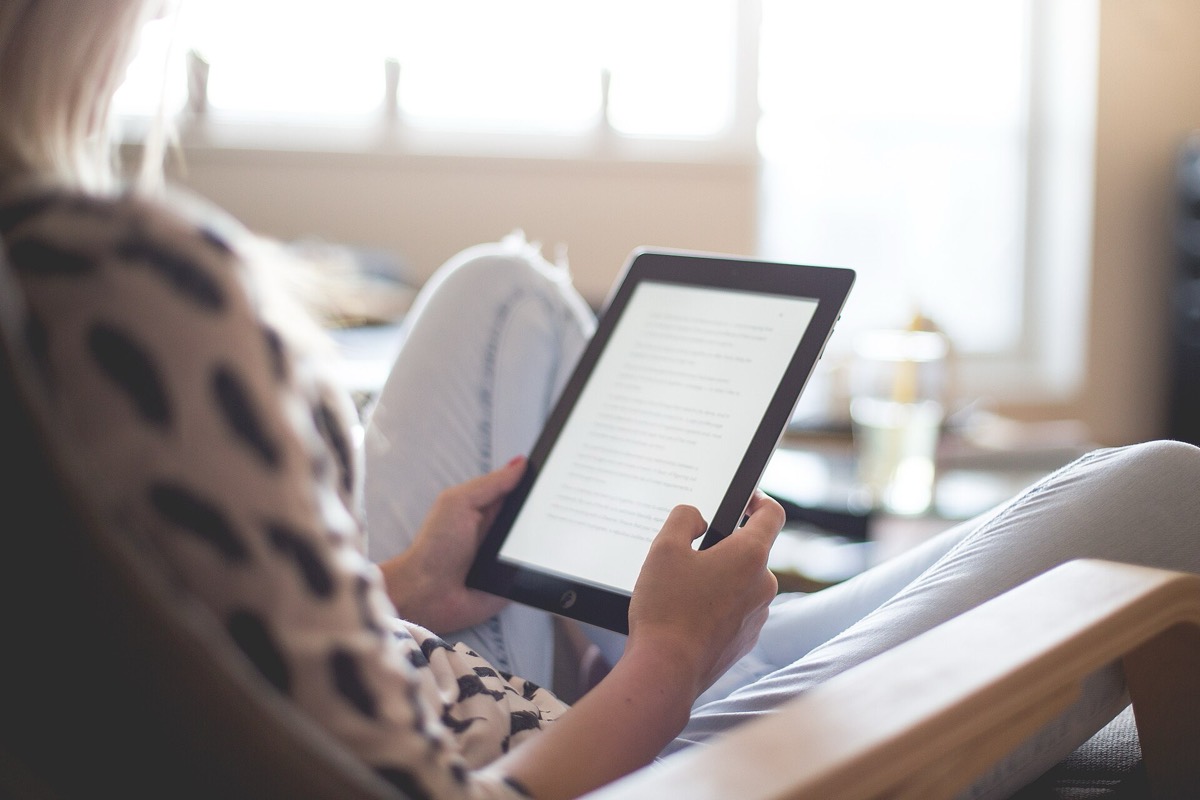
A common claim is that a screen makes us skim literature. To test it, hundreds of people were divided to read the opening of exactly the same novel, some on an and some in a printed book, and then comprehension, speed and experience were examined. What separated them?
Nothing measurable. Among 207 participants, , reading speed and and reflective experience were all examined, and on none of those measures did appear for either format. That does not mean every screen and every book work the same way. This was the opening of one novel rather than a whole book, and nobody compared a phone full of notifications with a page.
Research on screen reading sometimes mixes a novel on a dedicated reader with scrolling on a phone. The researchers here wanted to test a literary experience as similar as possible across two reading media.
Two hundred and seven participants read the opening of the same novel, some on paper and some on an e-reader. Speed, comprehension of the text and personal responses of thought and feeling were then measured.
No significant difference appeared between the groups on the central measures. The result does not say the material is identical in every sense; it says that in the task tested, no clear advantage emerged for either medium.
An effect may yet appear in a long book, on a screen with distractions, among readers of another age, or when the story has to be remembered months later. What this experiment teaches is not to announce in advance that every e-book harms comprehension.
wat. Reading the start of one novel, 207 participants understood the electronic and the printed text about equally well.
wat wat
When choosing how to read a book, it is worth distinguishing a quiet dedicated reader from a screen with messages, rather than assuming all digital reading is shallow.
How do we know?
Two groups read the same passage of a novel in different formats and answered a comprehension test and reading-experience questionnaires.
What is still unknown
Finding no difference in a single experiment is no proof that the formats are identical in every situation; only the opening of a novel was tested, over a short span.
Learn something?
Where to next
 Can a few minutes with a text change how well you read another person?literature
 Does a spoiler really make a story more enjoyable?literature
 Does reading literary fiction make us more empathic?literature