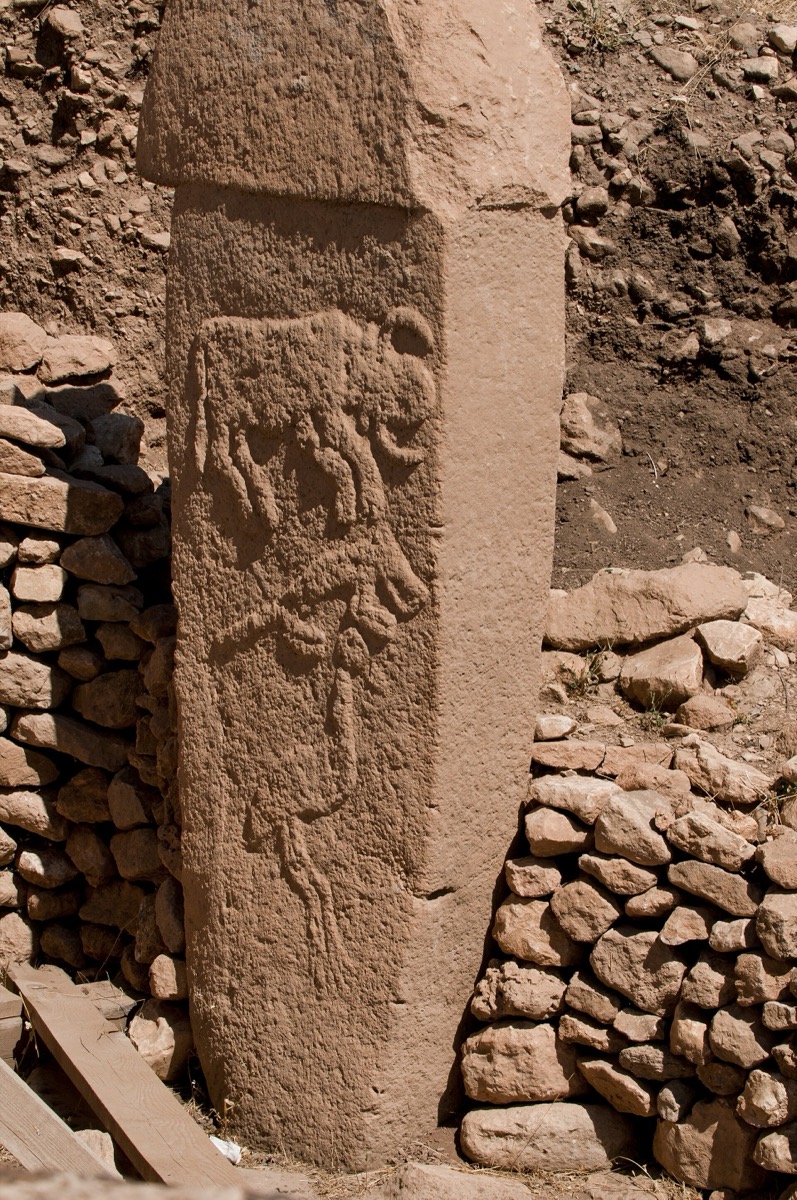
The standard account ran one way: agriculture produced surplus, surplus produced villages, villages produced cities and eventually writing, art and religion. On a ridge in southern Turkey called Potbelly Hill stand dozens of carved limestone pillars arranged in rings, splashed with of gazelles, snakes, foxes, scorpions and wild boars. They are eleven thousand six hundred years old. What does that do to the sequence?
It puts the temple first. predates the Great Pyramid of Giza by seven millennia and is the oldest known example of , the first thing people built that was bigger and more complicated than a hut. When the pillars went up, most of the human race lived in small nomadic bands foraging and hunting. Nobody there had writing, metal or pottery.
The site is a set of rings of massive stone pillars, one pressed up against the next, vaguely reminiscent of Stonehenge except far older and made from cleanly carved limestone rather than roughly hewn blocks. The assemblage went up some eleven thousand six hundred years ago, seven millennia before the Great Pyramid of Giza. It contains the oldest known temple and is the oldest known monumental architecture anywhere.
What makes it difficult is who built it. At that date most of the human race lived in small nomadic bands surviving by foraging for plants and hunting wild animals. Construction would have required more people gathered in one place than had likely happened before, and the builders cut, shaped and transported sixteen-ton stones hundreds of feet with no wheels and no beasts of burden. They had no writing, no metal and no pottery.
Klaus Schmidt found it by reading somebody else’s dismissal. University of Chicago archaeologists had surveyed the region in the nineteen sixties and concluded the hill was of little interest. They put the disturbance at the top down to a Byzantine military outpost, and took the broken limestone for gravestones. Schmidt went to look in nineteen ninety-four and saw flint chips in huge numbers, which told him within minutes that scores or hundreds of people had worked there.
The consequence is a reordering. Twenty years ago most researchers thought they knew the time, place and sequence of the , with agriculture first and temples much later. Gobekli Tepe is the most significant of a run of findings that forced a rethink. The archaeologists working there read it as evidence that the human sense of the sacred, and the human love of a good spectacle, gave rise to civilization rather than resulting from it.
wat. Hunter-gatherers with no pottery and no metal moved sixteen-ton stones to build something nobody needed to live in.
wat wat
If the urge to gather and worship came before agriculture rather than after it, then the usual causal arrow through the Neolithic Revolution is pointing the wrong way.
How do we know?
Charles C. Mann’s report for National Geographic covers the excavation led by Klaus Schmidt of the German Archaeological Institute, who began work at the site after surveying southeastern Turkey in nineteen ninety-four.
What is still unknown
Archaeologists are still excavating the site and debating its meaning. That the human sense of the sacred gave rise to civilization is the reading of the researchers working there, not a settled conclusion.
Learn something?
Where to next
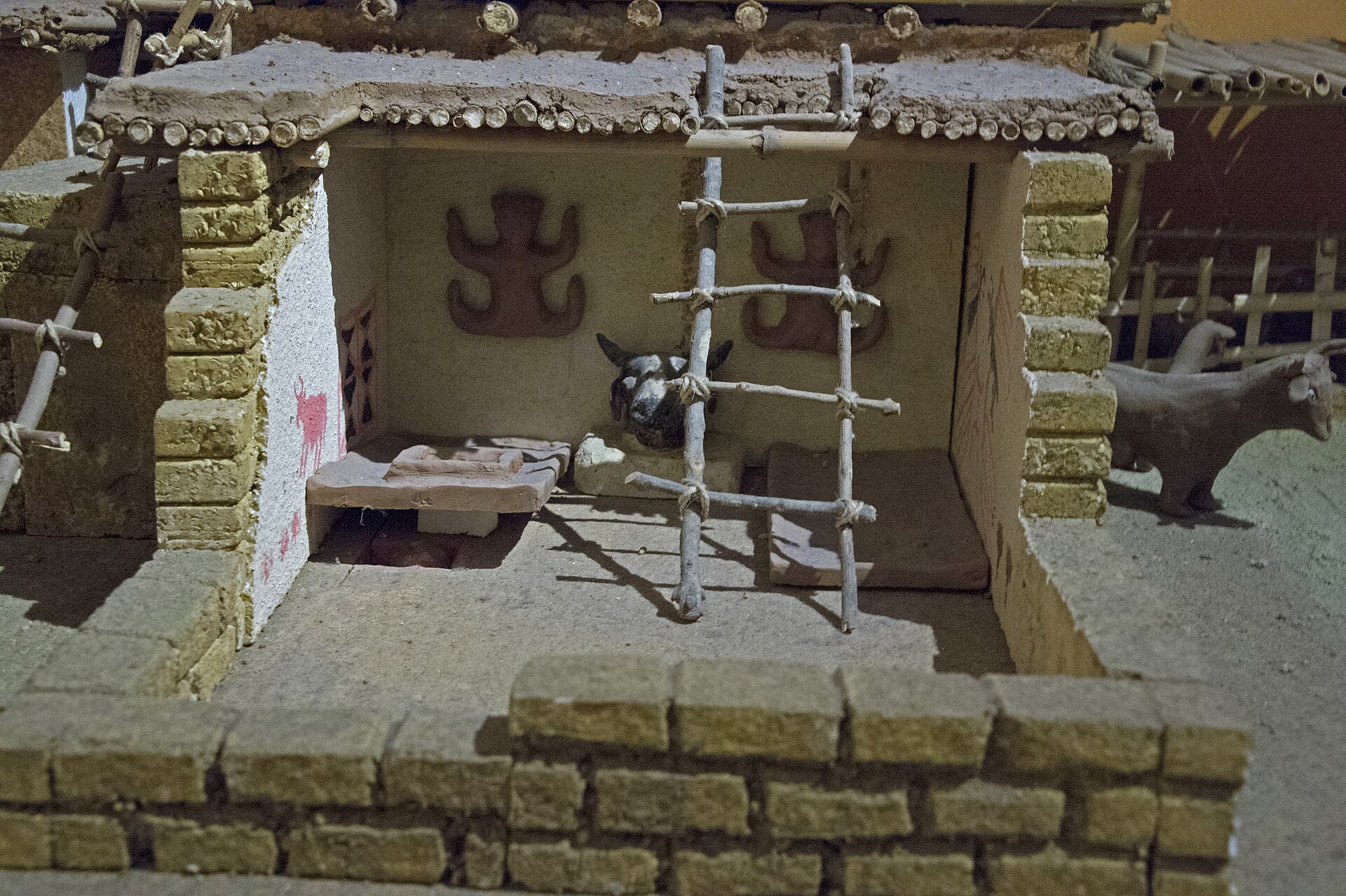 What does a town with no streets look like?neolithic