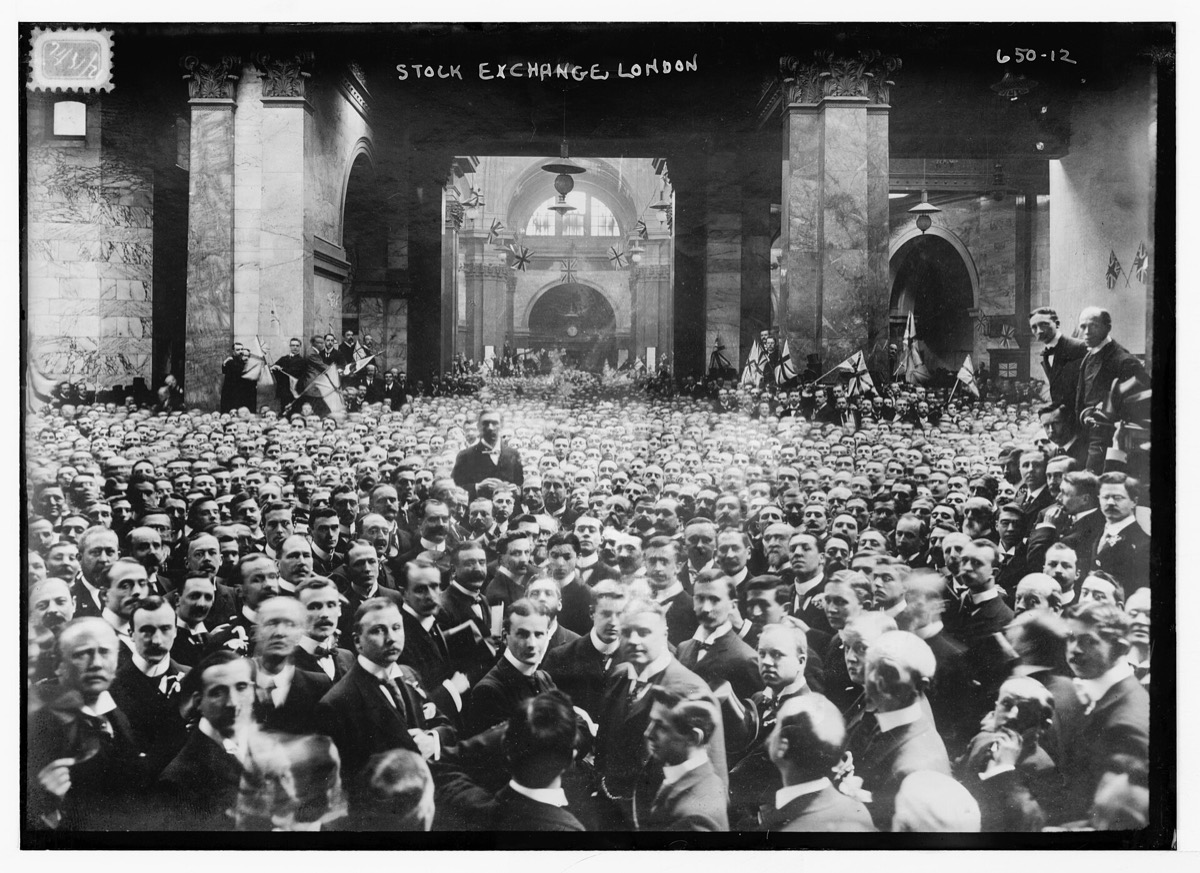
Every trade feels like a chance to correct, to respond or to use information, and sitting still is hard. To test whether it pays, the returns of private investors were compared by how often they traded. Who came out ahead?
The quietest accounts. In a broad study of private investors, the group that traded most earned about 11.4 per cent a year against 17.9 per cent for the market. Commissions and weak decisions ate the advantage they thought they had. The authors suggested explains part of the trading: people overrate the quality of their own information, so they switch assets even where there is no real edge.
Trading gives immediate feedback and a sense of doing something, while holding quietly feels like inaction. So individual successes are easy to count and the accumulated cost of all the switching is hard to see.
The researchers examined 66,465 household accounts and sorted them by . The most active traders achieved of 11.4% a year, against 17.9% for the market and 16.4% for the average household.
The gap includes trading costs, and also the quality of the decisions. The shares bought did not consistently compensate for those sold, so the activity itself created no advantage before costs.
Commissions today are lower, and spreads, taxes and mistakes still exist. The finding does not rule out all trading; it raises a bar: a new action has to be good enough to beat the quiet alternative as well.
wat. Across 66,465 households, those who traded most lagged the market return by more than six percentage points.
wat wat
Doing a lot looks like control, and in a market it creates costs and demands that every new decision beat the one already in the portfolio.
How do we know?
The researchers followed the accounts of from 1991 to 1996, calculated portfolio turnover and compared net returns across levels of activity.
What is still unknown
The work describes a period with higher commissions than today and does not establish that every active trader or every professional manager will fail.
Learn something?
Where to next
 How can most shares lose to Treasury bills while the market still rises?markets
 How does the list of funds at work change the risk in your savings?markets
 What happened to a share after more people searched for it online?markets