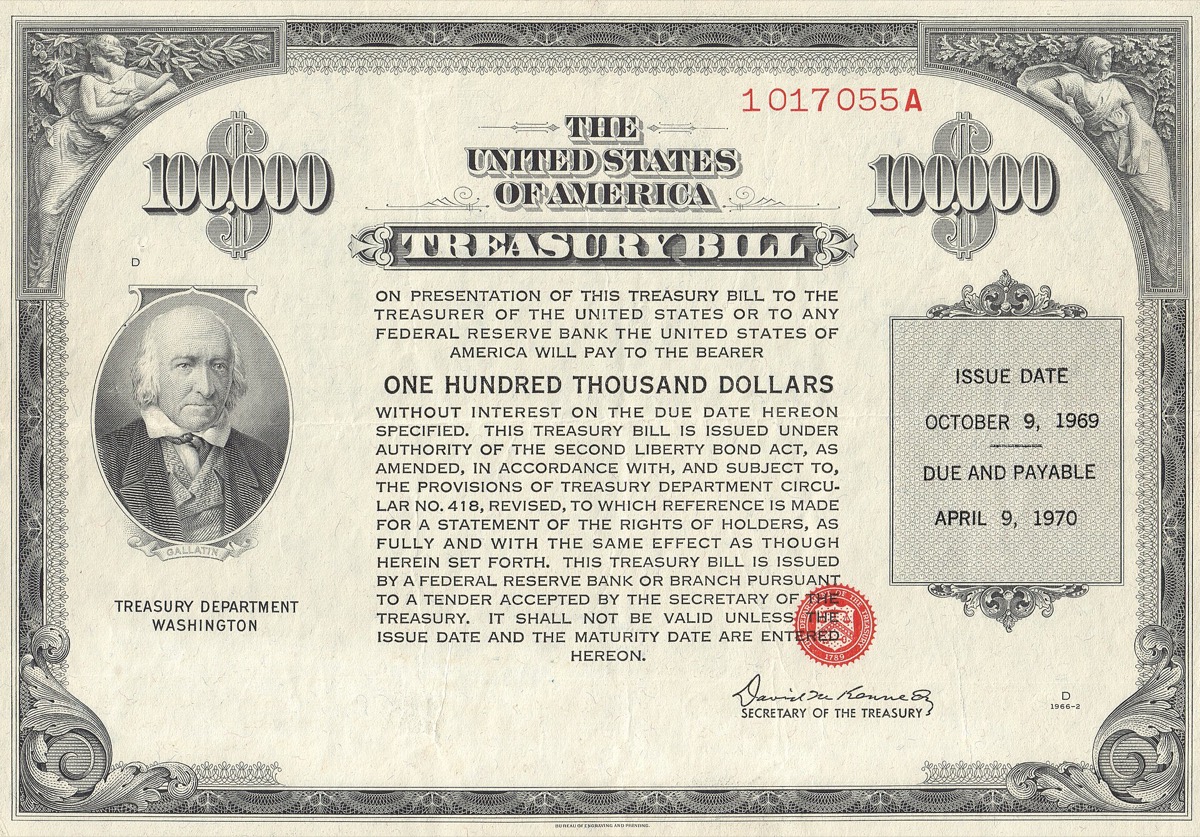
We tend to think of the market as an average of many shares rising slowly. But the returns of individual shares are not evenly distributed: many disappear or lag a short , and hides them. So where does all the profit come from?
From a handful of enormous winners. This is : a few shares multiply hundreds of times and pull the market average up. In a historical analysis since 1926, the best-performing accounted for all the net addition to wealth; the rest together merely matched Treasury bills. That is how a broad index can succeed even while picking a share at random often fails.
The sentence “shares beat Treasury bills in the long run” is true of the market in aggregate, and not necessarily of the individual share picked out of it.
The work added up the whole trading life of every company, including dividends and delisting, and compared the wealth created with what a short Treasury bill would have produced.
The result was highly concentrated: four per cent of the companies accounted for all the excess wealth. Many companies did not survive or did not compensate for the risk, while a handful of winners grew with no similar limit.
This does not say every index will always rise. It explains why a narrow portfolio may miss the rare winners, and why a successful market average does not describe the experience of most of the shares inside it.
wat. Four per cent of shares created all the excess wealth of the American market, and the rest together merely matched Treasury bills.
wat wat
The result explains why broad diversification matters: it is hard to know in advance which few companies will carry most of the market’s return.
How do we know?
The work calculated returns for every American share across its whole life, including distributions, and compared the accumulated wealth with the alternative of short Treasury bills.
What is still unknown
The number refers to the history of the United States and to one measure of wealth; it is no forecast that the same proportions will recur in every country and period.
Learn something?
Where to next
 How does the list of funds at work change the risk in your savings?markets
 Does the choice of a share pass between neighbors?markets
 How can easier trading in a share raise the danger of a fall?markets