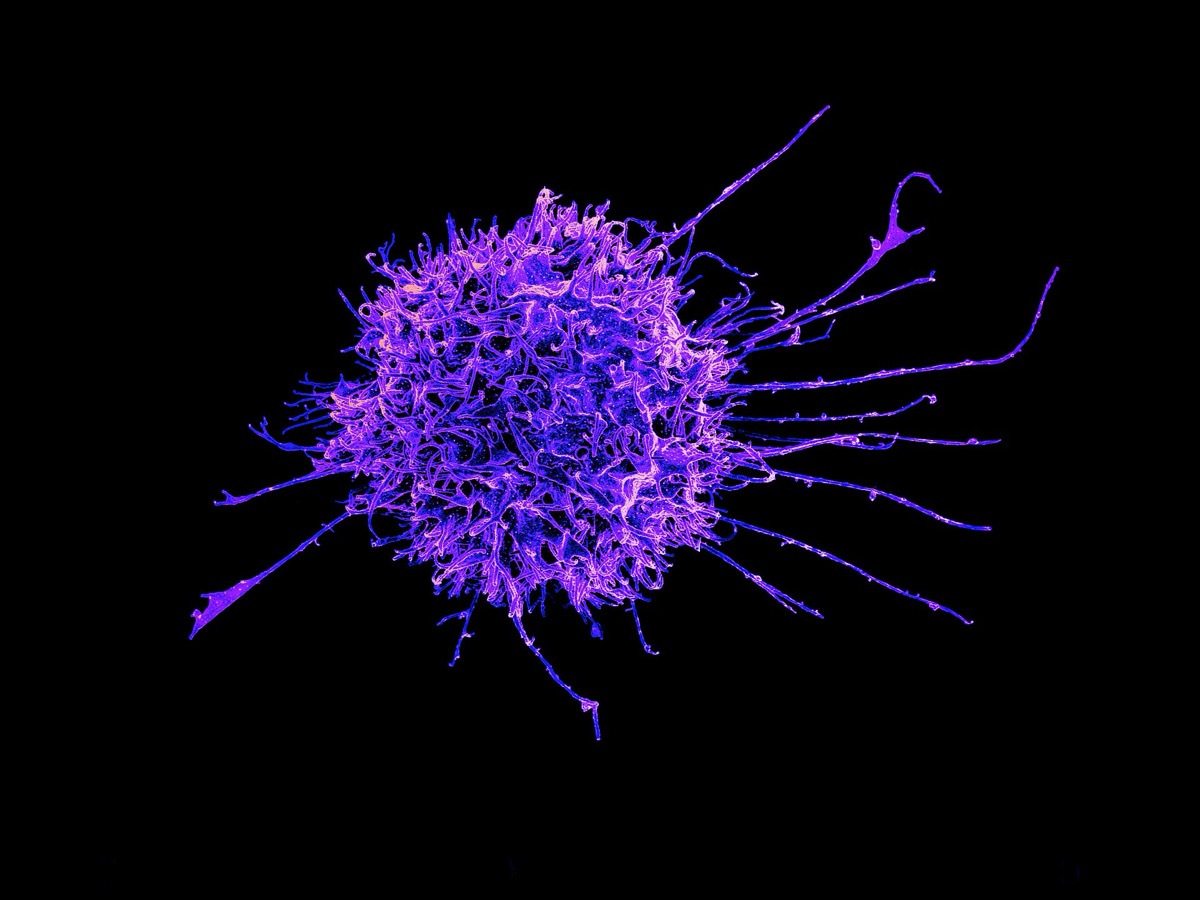
Athletes are often told that a hard session opens a window in which the immune system is down and an infection catches easily. are the immune cells that spot an infected or abnormal cell and destroy it. A meta-analysis pooled measurements of how well they kill, before exercise, right after it, and through the first two hours of . What happened to them?
Their killing went up, sharply. Pooling 12 studies and 18 effect sizes, the capacity to destroy target cells rose after exercise with a large effect, and the rise was bigger for endurance work and at higher intensity. Within one to two hours it returned to baseline, and it did not drop below it. The simple story of a gets no support here.
The belief that hard exercise opens a gap in immune defense is old, widely repeated, and built mostly on counting cells in blood. After a session the count of natural killer cells in circulation falls, and the inference drawn from it is that the defense itself has weakened.
The same number has another explanation. These cells leave the bloodstream for the tissues during exertion, so a blood sample sees fewer of them while nothing has been lost. Telling the two apart requires measuring not how many there are but how well they kill.
That is what the meta-analysis pooled: 12 studies reporting 18 effect sizes, each comparing killing capacity before exercise, immediately after, and in the first two hours of recovery. Killing capacity rose substantially right after exercise, more for endurance work than for resistance work, and more at higher intensity.
By the end of recovery it had returned to where it started, and no lower. Strikingly, the functional change ran independently of the change in , which is exactly the dissociation the old inference missed. Twelve studies is a small base, and this is a measure of cells over hours, not of whether anybody caught a cold.
wat. Right after exercise the natural killer cells killed better, and an hour or two later they were back at baseline rather than below it.
wat wat
A drop in the number of immune cells in the blood after exercise is not the same thing as a drop in what those cells can do.
How do we know?
Rumpf and colleagues searched three databases for trials with a passive control group that measured killing capacity before exercise, immediately after, and during the first two hours of recovery. They then pooled those trials and tested what changed the size of the effect.
What is still unknown
Twelve studies is a thin base, and this measures a cell function over hours rather than whether anybody actually fell ill. The effect also varied between studies enough to need a moderator analysis.
Learn something?
Where to next
 Does an ice bath after training actually speed up recovery?training
 How much physical performance is lost after a short night?training
 Coffee before lifting: real strength, or just a feeling of alertness?training