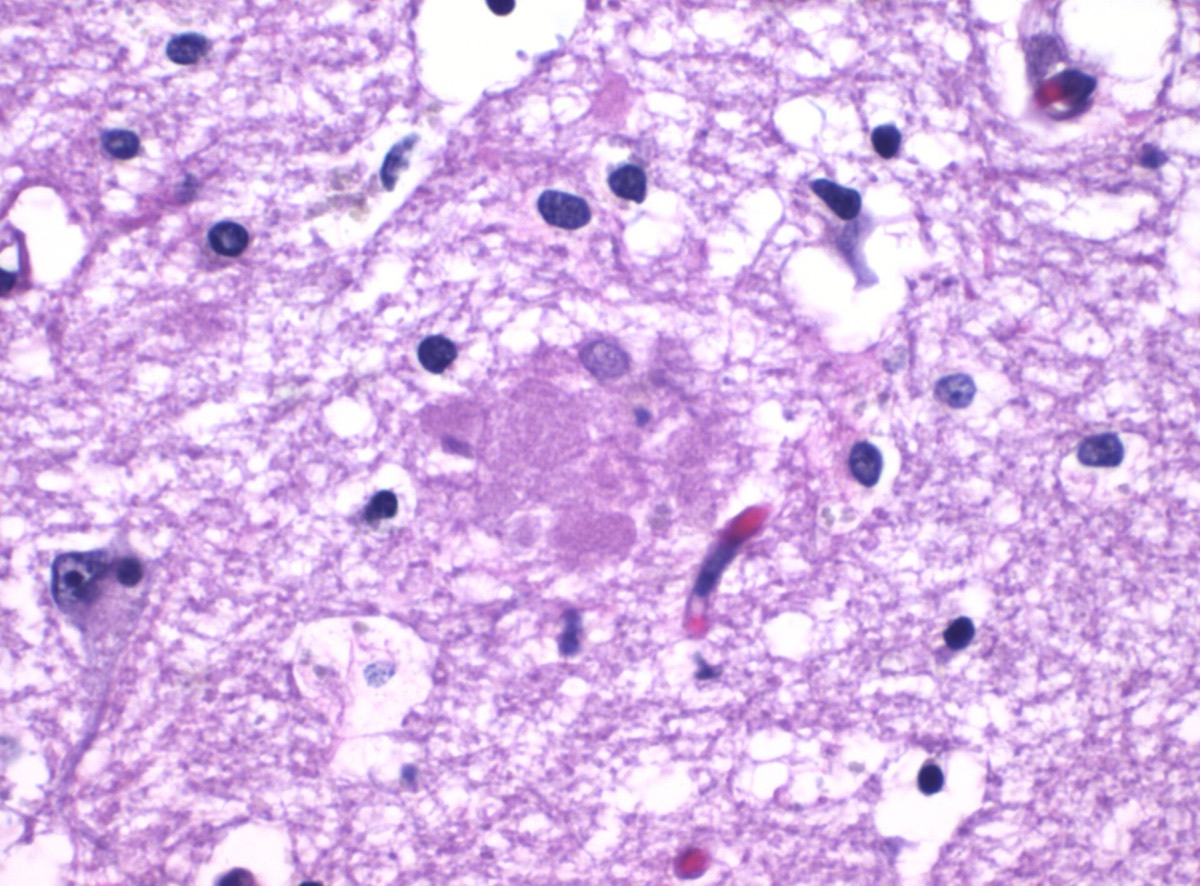
has been the main suspect in Alzheimer disease for decades, and efficacious treatments remain few. Antibodies can now strip that plaque out of a living brain, which turns a theory into a test. Whether removing it changes how a person declines is the part the theory never promised.
Decline slowed, and continued. In a trial of 1,736 participants with , donanemab was given against placebo for 72 weeks, with the primary outcome measured at 76 weeks on a scale running from 0 to 144. Participants who met were switched to placebo in a blinded manner.
Alzheimer disease has few efficacious treatments, which is the background to every amyloid antibody trial. Donanemab is designed to clear brain amyloid plaque, and this trial assessed both its efficacy and its adverse events.
The design is large and strict. The authors ran a multicenter, randomized, double-blind, placebo-controlled phase 3 trial lasting 18 months, across 277 medical research centers and hospitals in eight countries. It enrolled 1,736 participants with amyloid and confirmed by imaging.
Participants were randomized in equal numbers to donanemab or placebo, given intravenously every four weeks for seventy-two weeks. Those meeting dose completion criteria were switched to placebo in a blinded manner, so some people stopped the drug while the trial continued around them.
The primary outcome was change on the integrated Alzheimer Disease Rating Scale from baseline to seventy-six weeks, on a scale running from 0 out of a possible 144, where lower scores indicate greater impairment. Twenty-four gated outcomes were specified in all, including the Clinical Dementia Rating sum of boxes, which runs the other way.
wat. The plaque came out; the decline kept going, more slowly.
wat wat
It is the cleanest test yet of what clearing amyloid buys a patient, which is a different question from whether amyloid matters.
How do we know?
Sims and colleagues ran a randomized, double-blind, placebo-controlled phase 3 trial across 277 medical research centers and hospitals in eight countries, enrolling only people whose amyloid and tau pathology had been confirmed by imaging.
What is still unknown
Eighteen months of an illness measured in decades, in people recruited at its earliest symptomatic stage.
Learn something?
Where to next
 What does one sleepless night do to the brain?amyloid