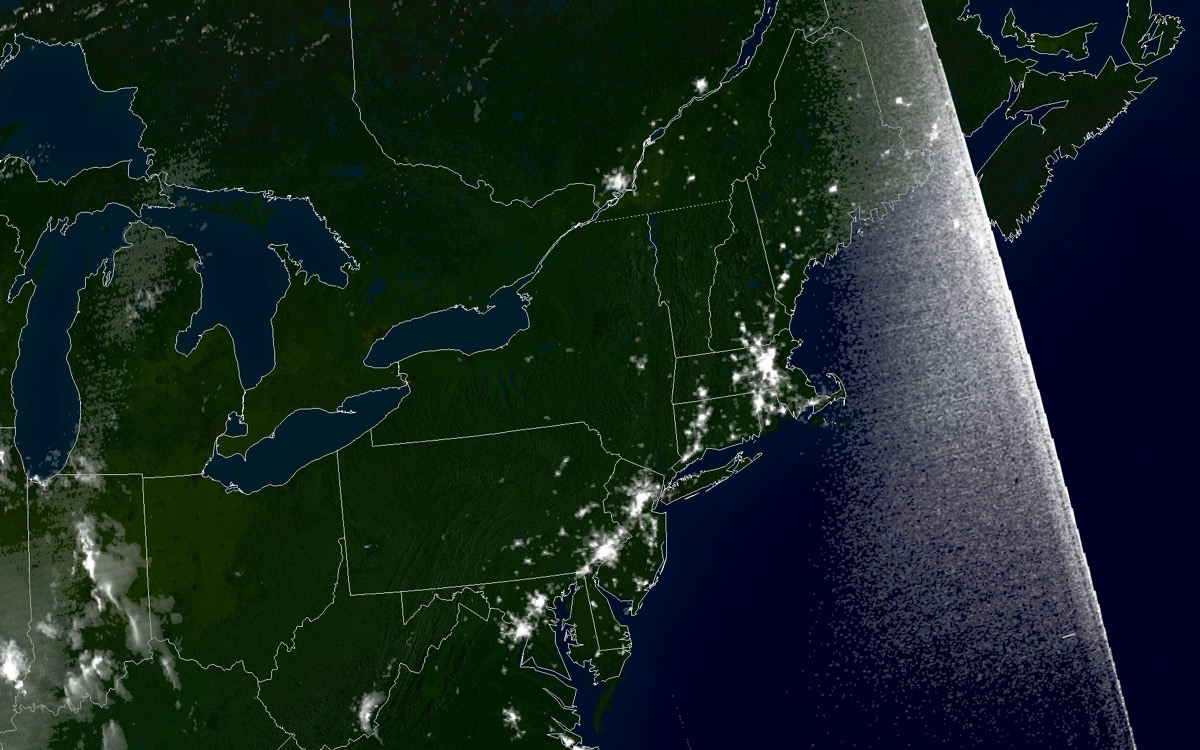
The August two thousand and three blackout across the northeastern United States put energy transmission in the spotlight, and left an awkward problem behind it. The electric infrastructure is so complex and so interconnected that for a long time nobody could explain why certain events had happened at all. Albert, Albert and Nakarado tried a different approach: treat the grid as a network.
Most of the grid does not matter, and a little of it matters enormously. Testing the network’s ability to move power from generators to consumers as nodes are disrupted, they found it to most perturbations. Disturbances affecting key , though, greatly reduce its ability to function. Local behavior turns out to depend on the global shape of the network.
The event set the question. The magnitude of the August two thousand and three blackout affecting the United States put the challenges of energy transmission and distribution into the limelight. Despite all the interest and concerted effort that followed, the complexity and of the electric infrastructure had long blocked any understanding of why certain events happened.
So the authors changed the unit of analysis. Rather than following the sequence of equipment failures, they study the power grid from a . One question is asked of it: how well can it still transfer power between generators and consumers when certain nodes are disrupted?
The answer has two halves that only look contradictory. The power grid is robust to most perturbations, so removing nodes at random leaves it working. But disturbances affecting key transmission substations greatly reduce its ability to function, which means the vulnerability is concentrated in a small number of structurally important places.
The lesson the paper emphasizes is methodological, and it travels beyond electricity. The global properties of the underlying network must be understood, because they greatly affect local behavior. A control room watching its own region cannot see the property that decides whether a fault stays local, which is roughly what the blackout showed at continental scale.
wat. The grid can lose most of its parts and keep working. Lose the handful that carry everything, and the lights go out across a continent.
wat wat
Robustness and vulnerability are the same property seen from different angles. A network that shrugs off random damage can still have a short list of places where damage propagates.
How do we know?
A rapid communication in Physical Review E studying the North American power grid from a network perspective, measuring how well power can still be transferred between generators and consumers when particular nodes are removed.
What is still unknown
A structural analysis of the network, not a reconstruction of the two thousand and three cascade. It identifies which substations matter topologically rather than tracing what failed in what order on the day.
Learn something?
Where to next
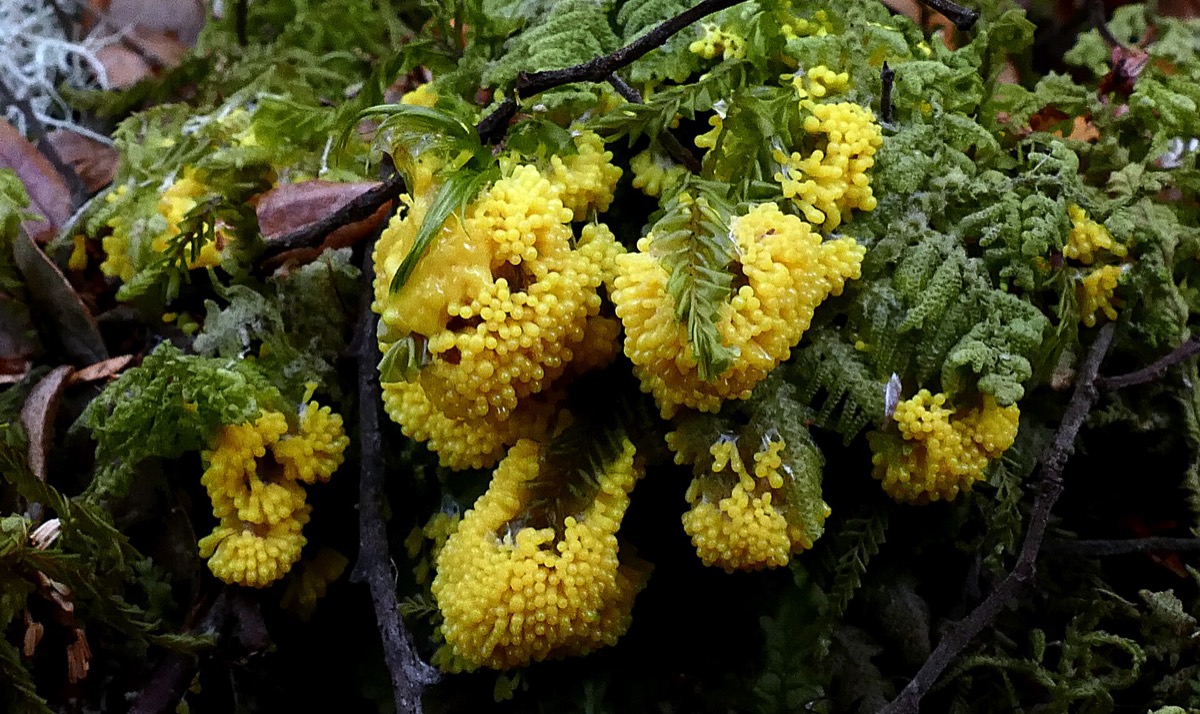 What happened when a brainless organism designed a rail network?networks
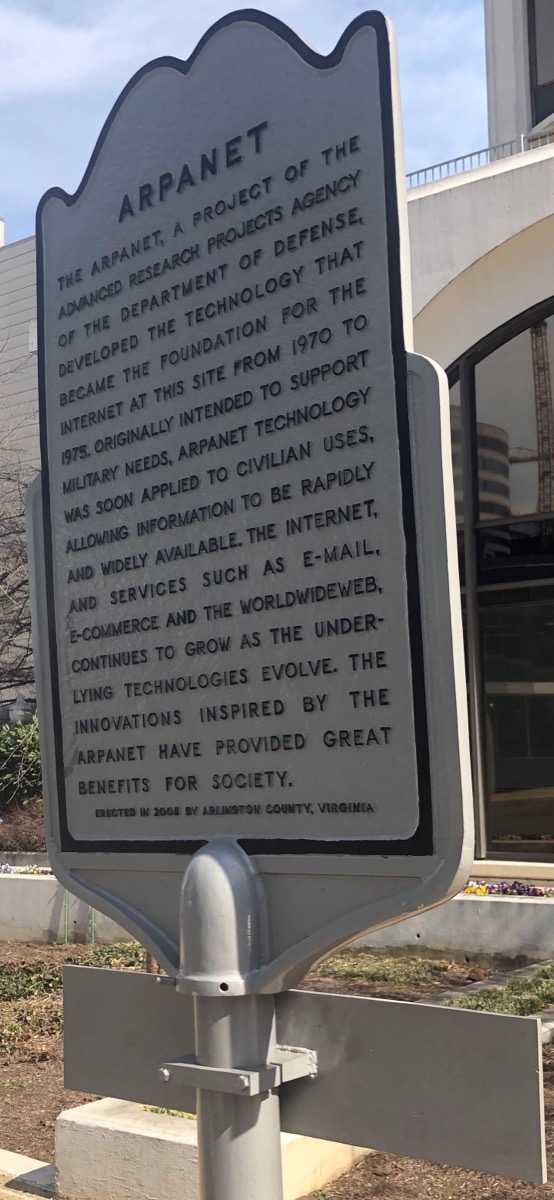 What was the first thing ever sent between two computers on the network?networks