
Talent is spread across people roughly along : most in the middle, a few at the edges. Success is spread quite differently, with a few holding almost everything. If success came from talent, the gap between the two curves needs explaining. What explains it?
Luck, in with no extreme talent in it. The researchers gave each individual a talent drawn from the bell curve, and sent random good and bad events at them through a career. Talent only raised the chance of using an opportunity that arrived anyway. The run reproduced of success, and the people at the top were almost never the most talented. They were moderately talented people who met more .
The argument starts from a contradiction between two curves. Talent, IQ and effort are distributed roughly like height: most people in the middle, and nobody a thousand times above average. Success, by contrast, is distributed in an utterly extreme way. If the first produces the second, something along the way has to multiply.
The model they built is deliberately simple. Each individual gets a talent from the bell curve, and across a virtual career meets random events, good and bad. Talent does not attract success by itself: it only raises the chance of using opportunities that arrived anyway.
The run reproduced the extreme distribution of success, and that is already a finding: no extreme talent has to be assumed to get extreme success. But whoever reached the top was almost never the most talented. They were of middling talent and met more opportunities, simply because there are many more middling people.
The part quoted less often is the practical one. The model compared ways of distributing research funding, and found that spreading many small sums yields more than concentrating investment in whoever has already succeeded. It bears remembering that this is a model: the result follows from the assumptions and not from a measurement of real people.
wat. In a model with talent spread normally and luck at random, the most successful were almost always people of middling talent and large luck.
wat wat
If success reflects luck more than talent, handing out prizes and funding by past achievement rewards luck. The work also compares ways of funding research that reduce the bias.
How do we know?
A computer simulation of a population with normally distributed talent and random luck events over time, comparing different policies for allocating resources.
What is still unknown
This is a model, not a measurement of real people. The result depends on the assumptions about how talent and luck are distributed.
Learn something?
Where to next
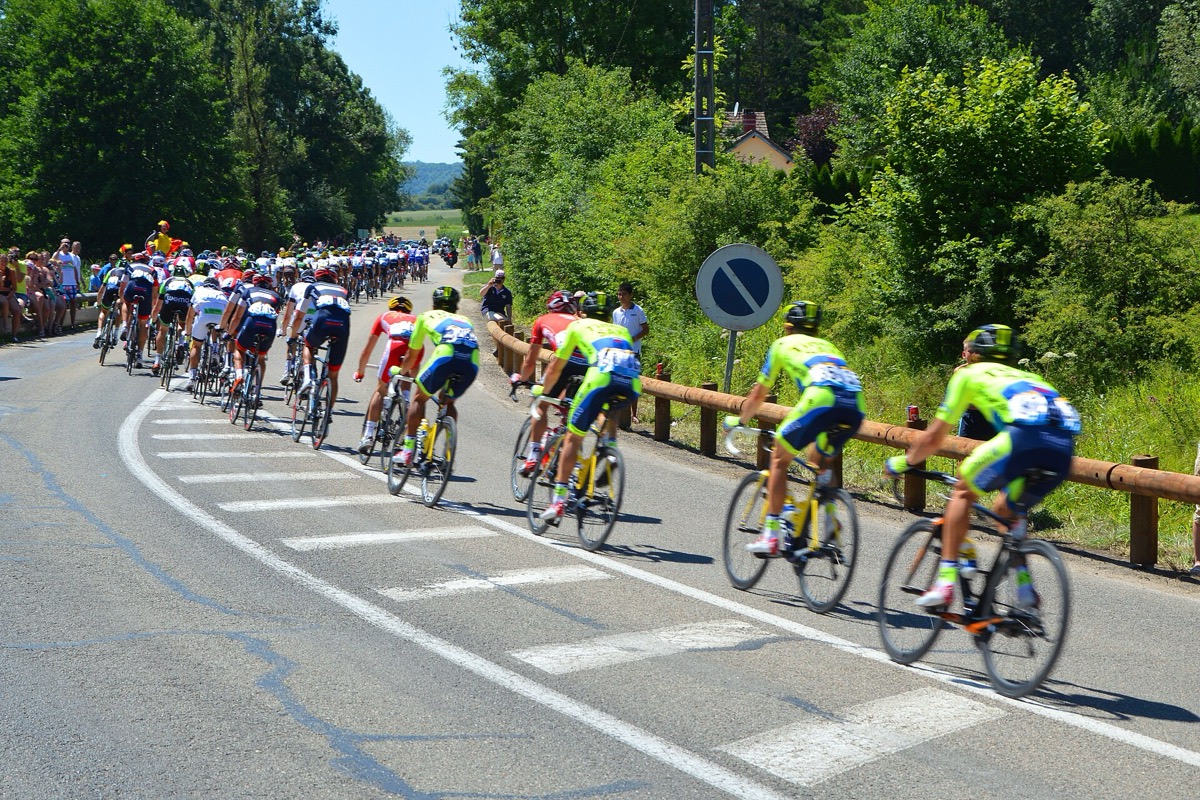 How little air does a rider buried inside the bunch actually feel?simulation