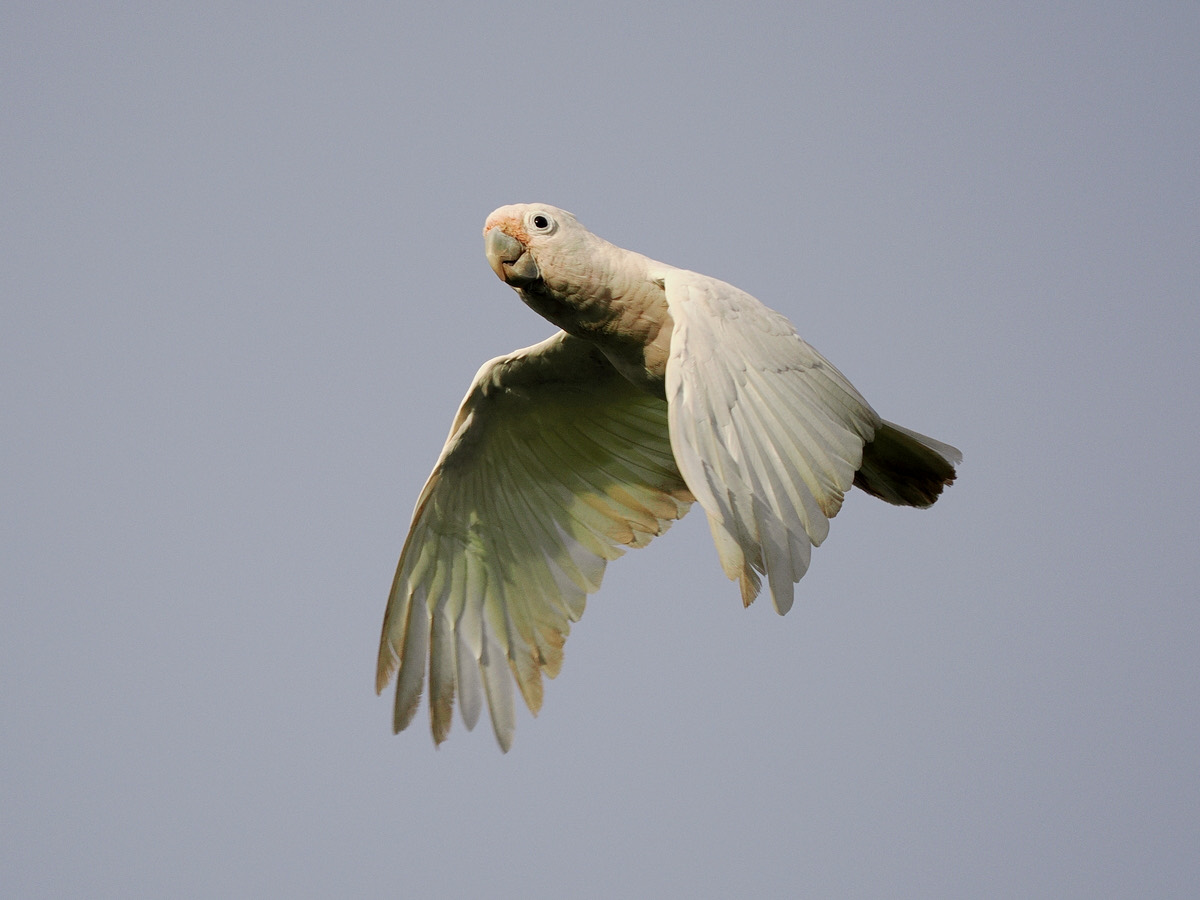
Using a single tool is familiar in many animals. On an island in Indonesia, Goffin’s cockatoos were seen opening a hard fruit, and every stage of the job demanded something different of them. Why did one tool not do?
Because each stage needs . They cut from branches a pointed tool for piercing, a wedge-like tool for opening the crack and a broader tool for scooping the seeds out. Each shape was made from different material and by different actions. Only two of 15 well-observed birds performed the full sequence, so this is rather than automatic behavior of the species.
Tool use is familiar in many animals, and is another matter: it demands holding one goal across several stages and knowing which tool fits which stage.
On an island in Indonesia, parrots were seen opening a hard fruit exactly that way. They cut from branches a pointed tool for piercing, a wedge-like tool for opening the crack and a broader tool for scooping the seeds.
Each shape was made from different material and by different actions, so there is no accidental breaking of branches here but manufacture by function.
Only two of fifteen well-observed birds performed the full sequence, so this is a rare skill rather than automatic behavior of the species. The were filmed with no human training involved, and that is what strengthens the finding. How the skill is learned and how common it is in the population remain unclear.
wat. Two wild Goffin’s cockatoos made three different wooden tools to pierce a fruit, open it and scoop out its seeds.
wat wat
A tool set planned by stages turned up in a wild parrot, with no human training and no hands.
How do we know?
Researchers filmed wild cockatoos beside wawai trees, collected the tools and fruits left behind, and recorded birds closely in temporary captivity.
What is still unknown
The full use was rare and seen in two individuals. How the skill is learned and how common it is in the population remain unclear.
Learn something?
Where to next
 Did a brain scan prove that writing by hand teaches better than typing?learning
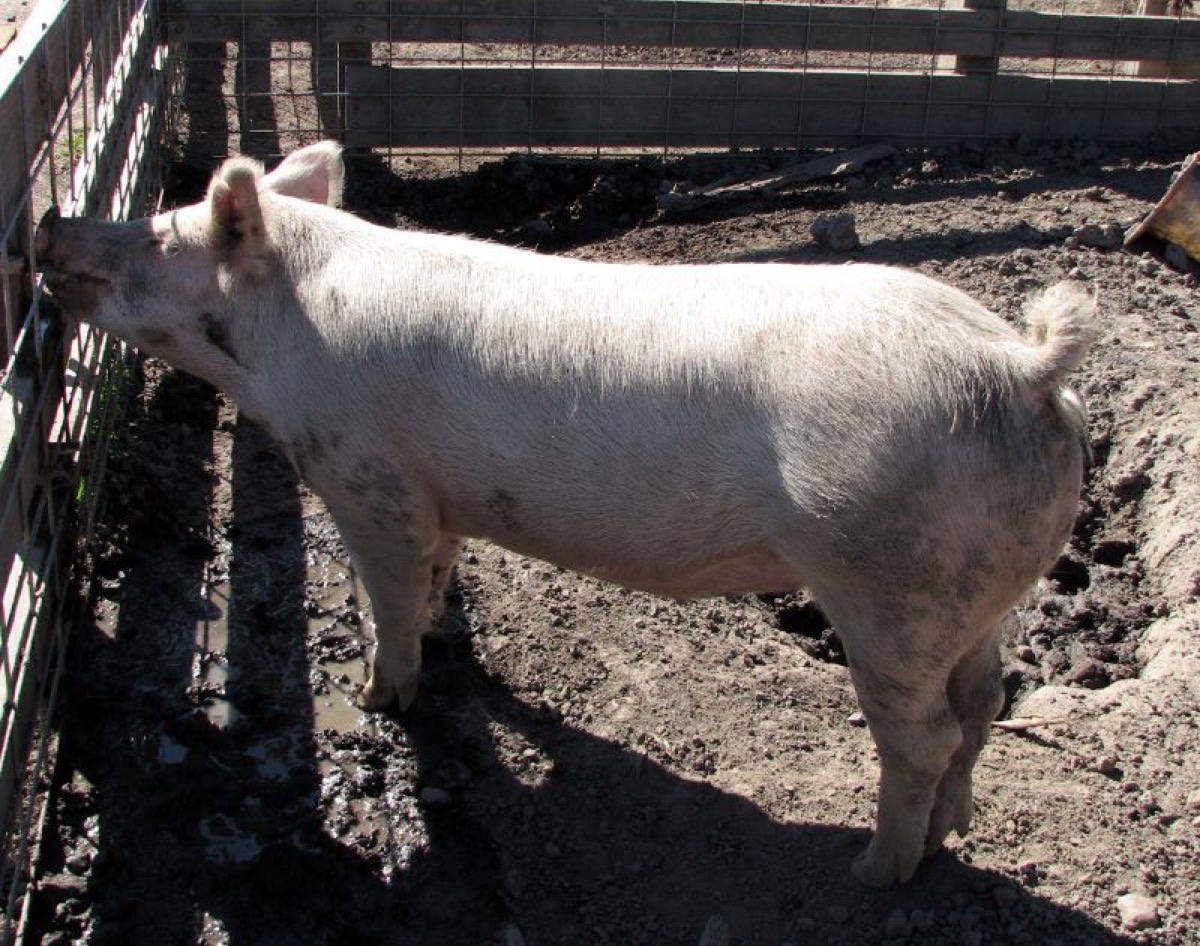 A pig at a screen with a joystick. Does it understand that its movement moves a cursor?learning
 Who else can tell a benign slide from a malignant one?learning