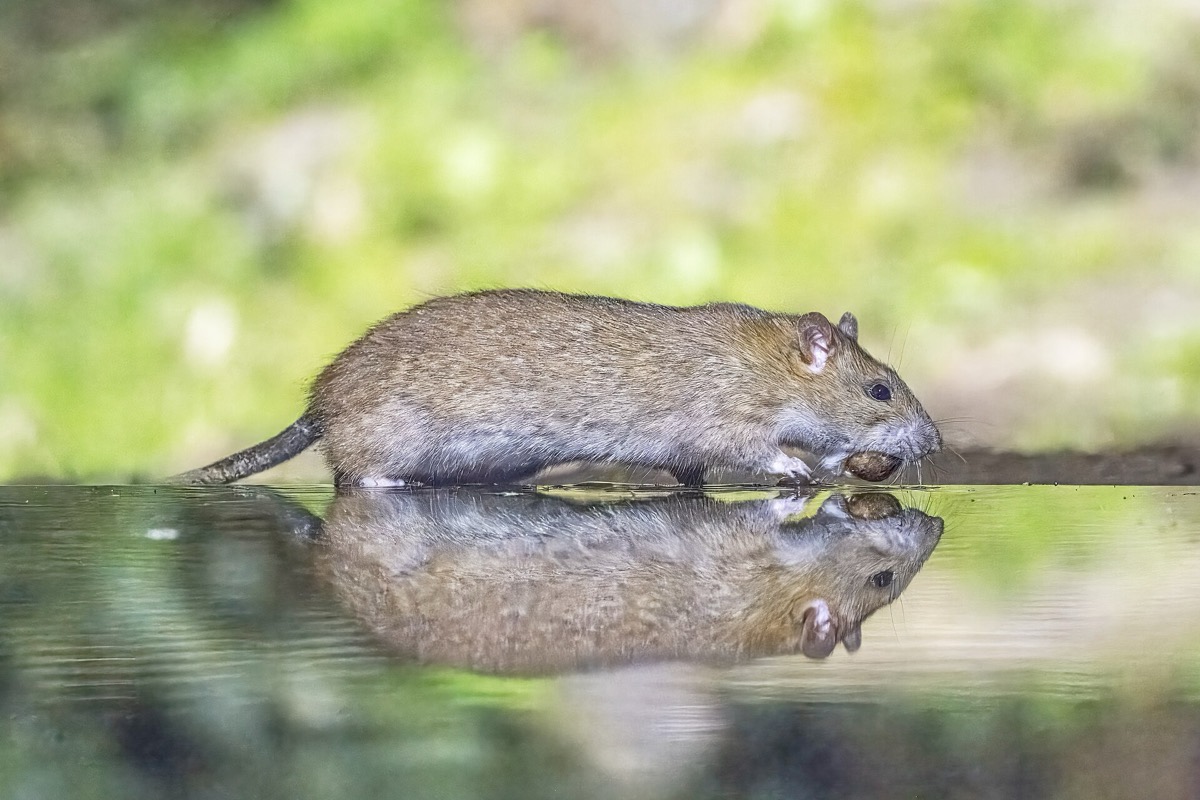
Mammals play, and why they do it remains unsettled, partly because most laboratory play is really food training in disguise. One lab removed the food. Researchers taught rats hide-and-seek, paying them only in after a find, and recorded from the while the animals took turns. Hide-and-seek needs roles, rules and a memory of where you looked. Could a rat hold all three?
The rats learned the game, including the switch between roles. They alternated between hiding and seeking, guided their searching by sight and by memory of where the human had hidden before, and produced vocalizations specific to particular game events. While hiding they went quiet and chose boxes over transparent ones, a preference absent when they were seeking. Prefrontal cortex activity varied with the game events.
The evolutionary, cognitive and neural basis of mammalian play is still not settled, and one reason is methodological. Most laboratory play research rewards animals with food, which leaves open the dull explanation that the animal is working rather than playing.
So this team played hide-and-seek with rats and offered no food at all. The payment was playful interaction after a find, or after being found. The rats learned the game quickly, and they learned to rather than mastering only one half of it.
The details are what make it look like a game. Seeking was guided by vision and by memory of where the human had hidden on earlier trials. The rats produced vocalizations tied to specific game events. When hiding they vocalized rarely, and they preferred opaque enclosures to transparent ones, a preference that disappeared when they were the seeker.
Neuronal recordings found intense prefrontal cortex activity that varied with game events and with trial type, which the authors suggest might instruct the role play. They read the whole picture as a sign that this game may be evolutionarily old. Hold the usual caveat alongside it. These are a few hand-raised laboratory rats, trained over weeks by familiar humans, which shows a capacity rather than a habit of wild animals.
wat. Rats took turns hiding and seeking, kept quiet in the opaque box, and were paid in nothing but a tickle.
wat wat
Taking the food out changes what the result means. A rat that keeps playing for the play alone is doing something for its own sake, and the role switching makes it a rule-governed something.
How do we know?
Reinhold and colleagues played hide-and-seek with rats using playful interaction rather than food as the reward, and recorded neurons in the prefrontal cortex across hide and seek trials.
What is still unknown
A small number of hand-raised laboratory rats trained over weeks by people they knew well. That the capacity exists says nothing about how often wild rats do anything like it.
Learn something?
Where to next
 Can an animal know it made the wrong choice a moment ago?brain
 Why can an arithmetic problem hurt before you have even started it?brain
 You were told you are a visual learner. Should you be taught only in pictures?learning