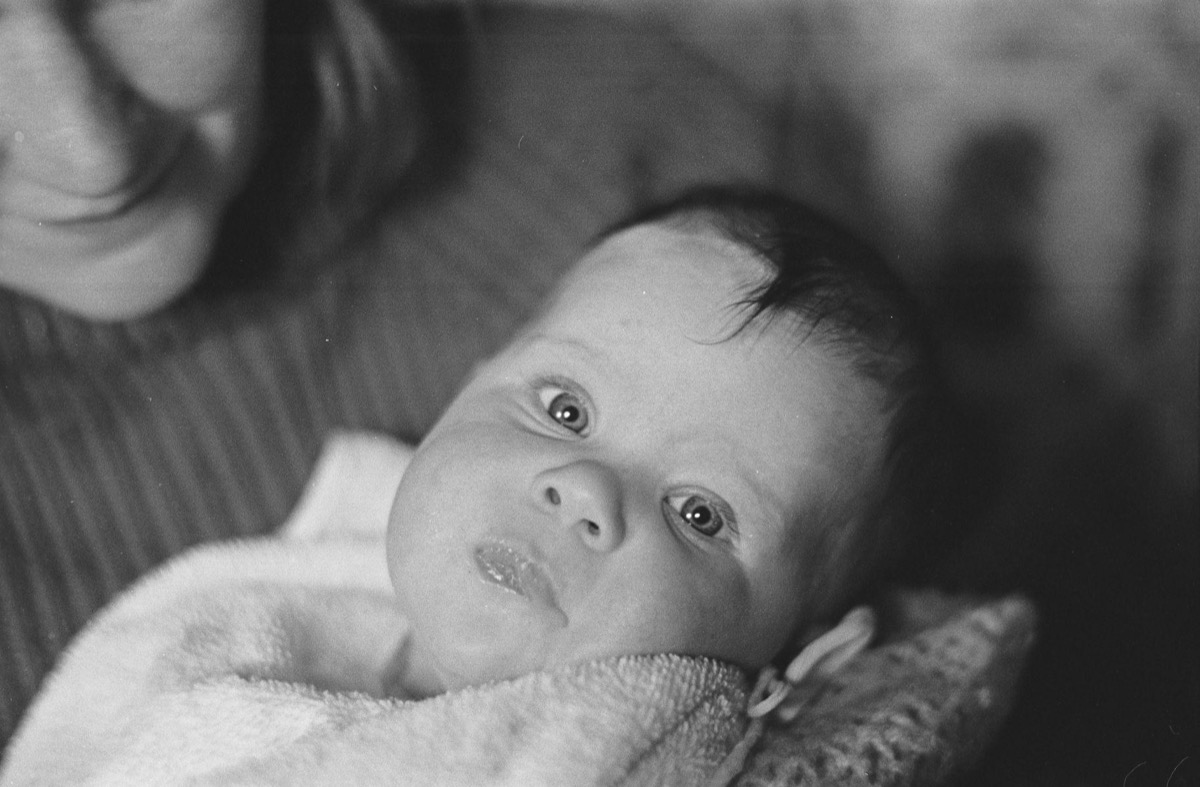
Parental language input is one of the best predictors of children’s language achievement. , the near-universal style with higher pitch, slower tempo and exaggerated intonation, is associated with language gains, and so is . Association is where that research stopped.
Yes, and it moved the children. Families of 71 typically developing six-month-olds were randomly assigned to coaching or control, and the intervention significantly enhanced parents’ use of parentese and parent-child turn-taking between 6 and 18 months. Increases in both correlated with the children’s language growth over the same period.
Parental language input is one of the best predictors of children’s language achievement. Two features of it stand out: parentese, a near-universal style with higher pitch, slower tempo and exaggerated intonation, and parent-child turn-taking.
Previous research associated both with advances in language learning, which leaves the causal question open. This trial randomly assigned families of 71 typically developing six-month-olds to intervention and control groups.
The measurement was continuous and in the home. Naturalistic recordings of the infants’ language environment and vocalizations were made four times, from six months of age to eighteen. After the first three, intervention parents attended individual for feedback and discussion.
The intervention significantly enhanced parental use of parentese and parent-child turn-taking between 6 and 18 months. Increases in both variables were significantly correlated with the children’s language growth during the same period and with their language outcomes at 18 months.
wat. Coached parents used more parentese and took more turns, and their babies’ language grew with it.
wat wat
It turns a correlation every parenting book quotes into something a clinic could actually do.
How do we know?
Ferjan Ramírez, Lytle and Kuhl recorded the home language environment with first-person audio at 6, 10, 14 and 18 months, and gave intervention parents individual coaching appointments after the first three recordings.
What is still unknown
Seventy-one families of typically developing infants, with the link from the enhanced input to the outcome reported as a correlation.
Learn something?
Where to next
 Do babies really prefer the puppet that helps over the one that hinders?infants
 How long can a baby hold on to a tune it heard before being born?infants
 Does prayer at a distance change recovery from heart surgery?randomized trial