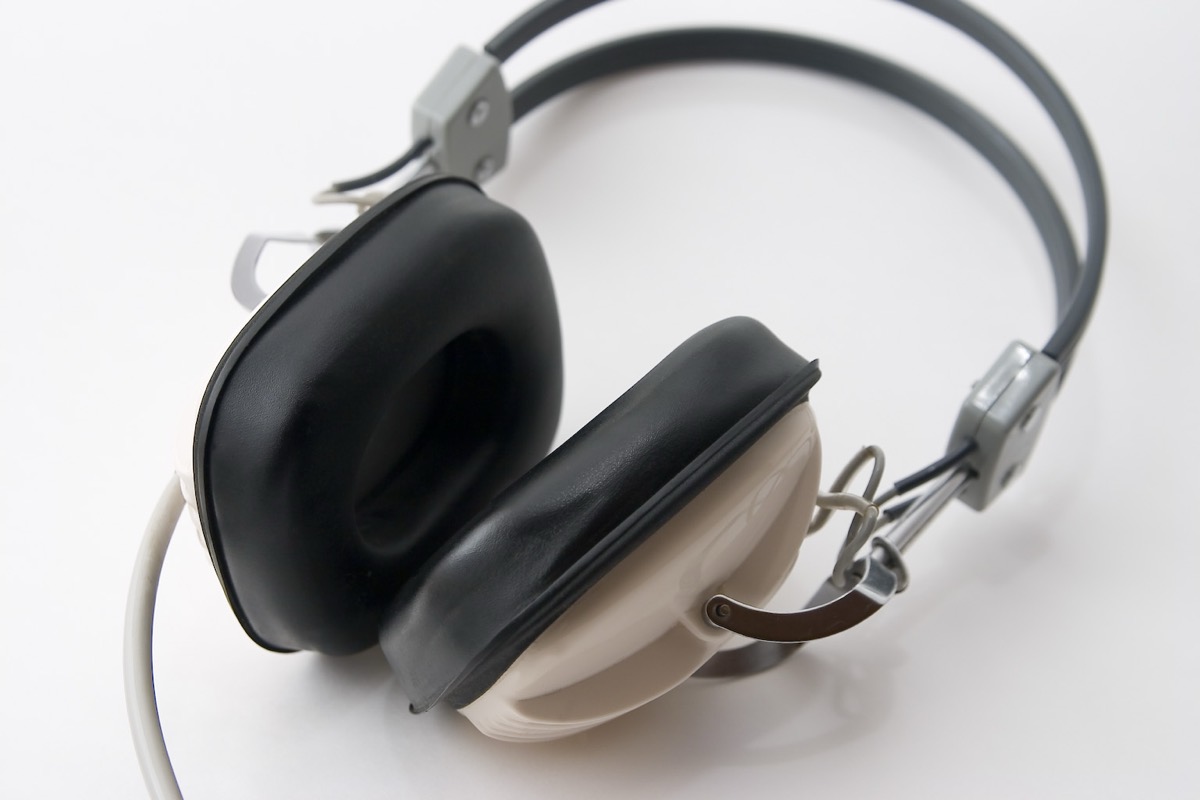
Music during exercise is well studied, and most gyms run on the assumption. Music before it is a different claim: the headphones come off before the effort starts, so anything left is carried in the body rather than in the beat. Thirty controlled studies have tested it.
Mostly it changes how the effort feels. improved completion time, relative mean power and fatigue by small margins, moved moderately, and had its largest effect on the . beat music chosen by somebody else, and active participants gained more than trained ones.
This systematic review summarized the studies that examined pre-task music effects on performance and quantitatively analyzed their outcomes. A systematic search of four databases ran up to the middle of May 2023, and thirty controlled studies fulfilled the inclusion criteria.
The pooled analysis used a robust multilevel model of standardized mean differences, reporting confidence intervals and prediction intervals alongside each estimate. Prediction intervals matter more than usual here, because several of them cross zero even where the average effect does not.
The physical effects are small. Pre-task music induced improvements of completion time, of relative mean power and of fatigue, with a moderate effect on relative peak power, each expressed as a standardized mean difference rather than in seconds or watts.
The psychological effect is the large one. The feeling scale showed a high effect, and greater benefits in jumping performance appeared in males than in females. Active participants gained more than trained participants on three outcomes, and self-selected music outperformed music chosen for the participant.
wat. The music ends, and the effort still feels easier.
wat wat
The biggest effect sits in the psychological response, which is the part a stopwatch never shows.
How do we know?
Delleli and colleagues searched Scopus, PubMed, Web of Science and the Cochrane Library to May 2023 and pooled thirty controlled studies in a robust multilevel meta-analysis.
What is still unknown
Prediction intervals on several outcomes cross zero, so the next study could come out either way.
Learn something?
Where to next
 Does tightening a pressure cuff before training really improve performance?sport
 Can an audience in a hall really hear a Stradivarius?music
 Does a Mozart sonata really reduce epileptic seizures?music