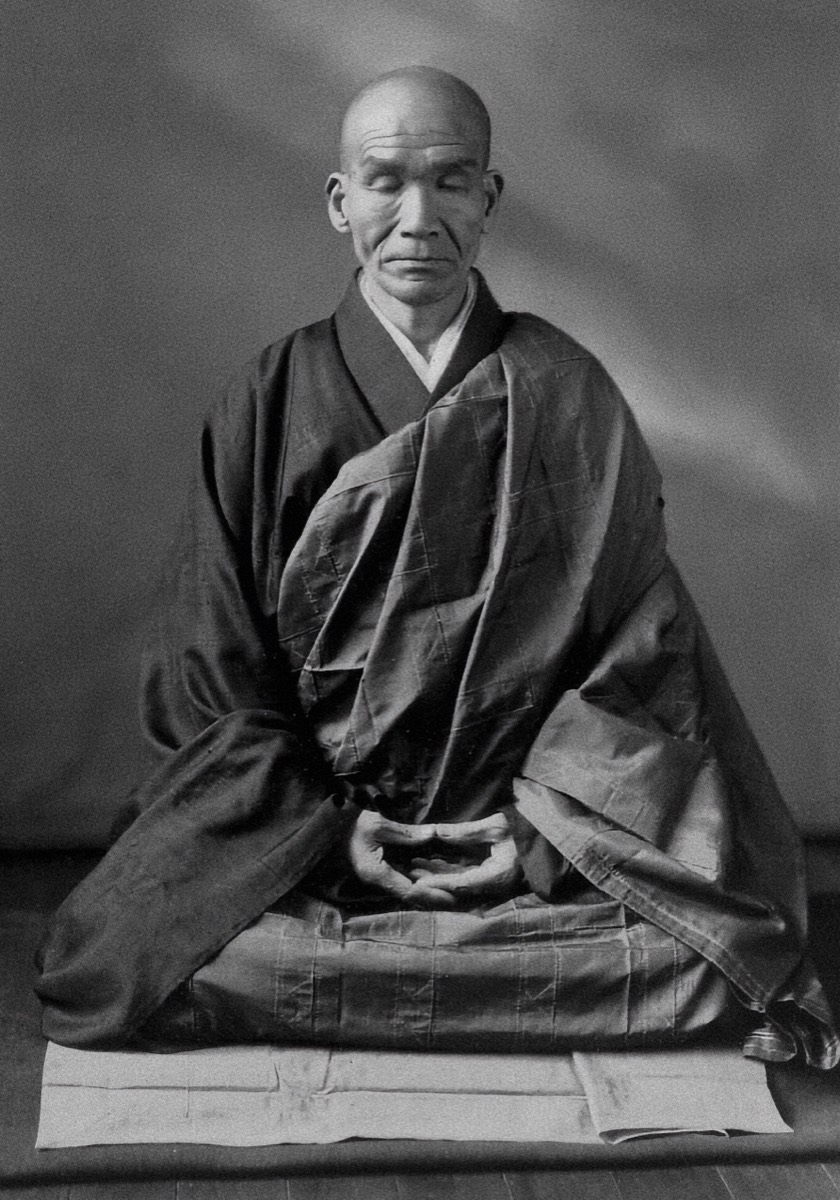
is a practice of turning attention to what is happening now, without rushing to judge or react, and it is offered today to people living with . A review gathered the randomized trials in the field and examined what improved and what did not. What came out of them?
Small improvements in pain, in depression and in quality of life, and not enough evidence on . Disability is the most practical measure of the three: not how much it hurts but what cannot be done. So the promise narrows to feeling and mood rather than a return to function. That makes this a complementary tool which may help some people, and not a treatment that removes the source of the pain.
Pain lasting months is not only a sign of active damage: the nervous system itself changes and amplifies the signal, so it persists after the injury has healed. Which is why a treatment aimed at processing belongs here at all.
Mindfulness does not try to remove the sensation but to change the relationship to it: to notice it without adding struggle and fear.
A review of thirty-eight randomized trials found small improvements in pain, in depression and in quality of life. On disability, the most practical measure, the evidence was not sufficient.
was rated low, among other reasons because a participant cannot be blinded to whether they practiced meditation, so expectation is mixed into every study in the field. Which makes this a complementary tool that may help some people, and not a treatment that removes the source of the pain.
wat. Across 38 trials mindfulness eased chronic pain and distress a little, and was not shown to be a way of removing the pain.
wat wat
A realistic expectation makes it possible to fit mindfulness into treatment without promising that it will remove pain or replace medical care.
How do we know?
A systematic review and meta-analysis pooled 38 randomized trials in which adults with chronic pain took part in mindfulness meditation programs.
What is still unknown
The quality of the evidence was rated low, the kinds of pain and the programs varied, and the trials did not always follow participants over time.
Learn something?
Where to next
 Does meditation actually change the connections inside the brain?mindfulness
 Does compassion meditation make people more generous?meditation
 Why is it so much harder to show mindfulness helps when you compare it with another real treatment?mindfulness