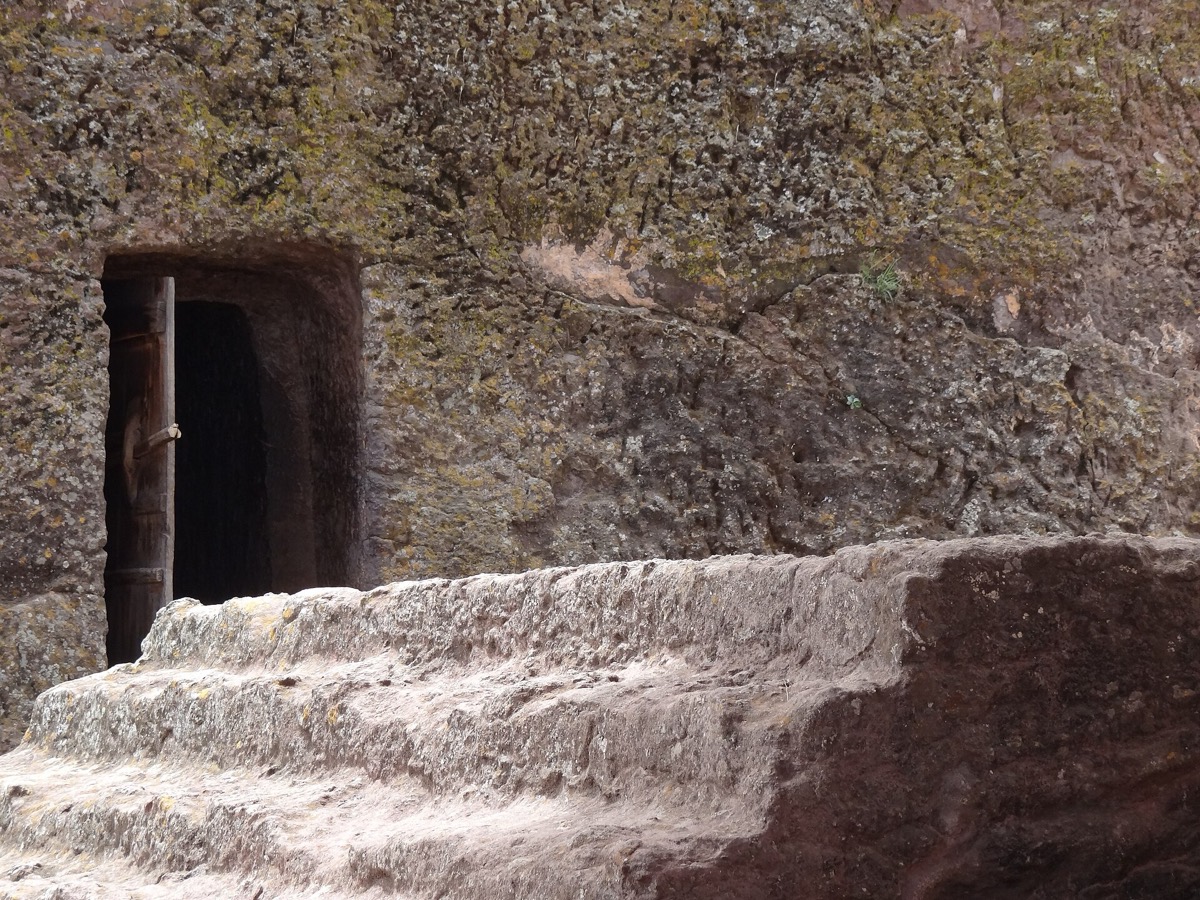
Eleven medieval churches stand in a mountainous region in the heart of Ethiopia, some 645 km from Addis Ababa. Tradition attributes them to a king who wanted a , after Muslim conquests halted Christian pilgrimage to the Holy Land. They look built, and the method is the opposite of building.
You cut downward instead. The churches were hewn from the of blocks, which were then chiselled out to form doors, windows, columns, floors and roofs. The work was completed with an extensive system of , trenches and ceremonial passages, some opening into hermit caves and catacombs.
In a mountainous region in the heart of Ethiopia, some 645 km from Addis Ababa, eleven medieval churches were carved out of rock. Their building is attributed to King Lalibela, who set out in the 12th century to construct a New Jerusalem after Muslim conquests halted Christian pilgrimages to the Holy Land.
They fall into groups around a river named for the Jordan. North of it stand Biete Medhani Alem, Biete Mariam, Biete Maskal, Biete Denagel and Biete Golgotha Mikael. South of it stand Biete Amanuel, Biete Qeddus Mercoreus, Biete Abba Libanos, Biete Gabriel Raphael and Biete Lehem, while Biete Ghiorgis sits apart, reached through trenches.
The construction method is what sets them apart. They were not constructed in a traditional way but hewn from the living rock of monolithic blocks, chiselled out into doors, windows, columns, floors and roofs. The work was completed with drainage ditches, trenches and ceremonial passages opening to hermit caves and catacombs.
The site is also in trouble. The drainage ditches were filled with earth for centuries before being cleared in the 20th century, and seismic activity has disrupted them since. The resulting water damage has left most monuments in critical condition, with an imminent risk of collapse at Biet Amanuel.
wat. Every window at Lalibela is a hole that was left, not a gap that was framed.
wat wat
Nothing can be adjusted once cut, so the whole plan had to exist before the first blow.
How do we know?
UNESCO documents the site on its World Heritage list, naming all eleven churches, the criteria under which it was inscribed, and the condition each monument is in.
What is still unknown
Attribution to King Lalibela in the 12th century rests on tradition rather than on a dated inscription.
Learn something?
Where to next
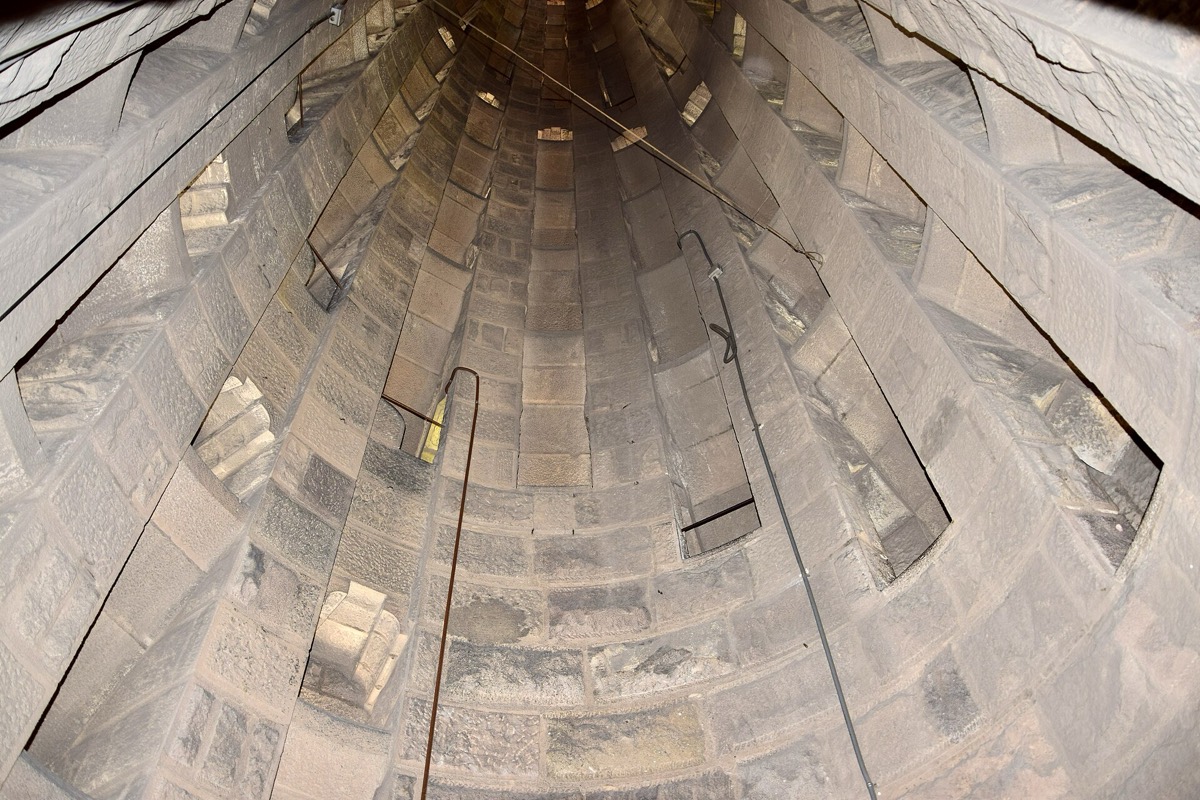 How much of the Sagrada Família is actually World Heritage?world heritage