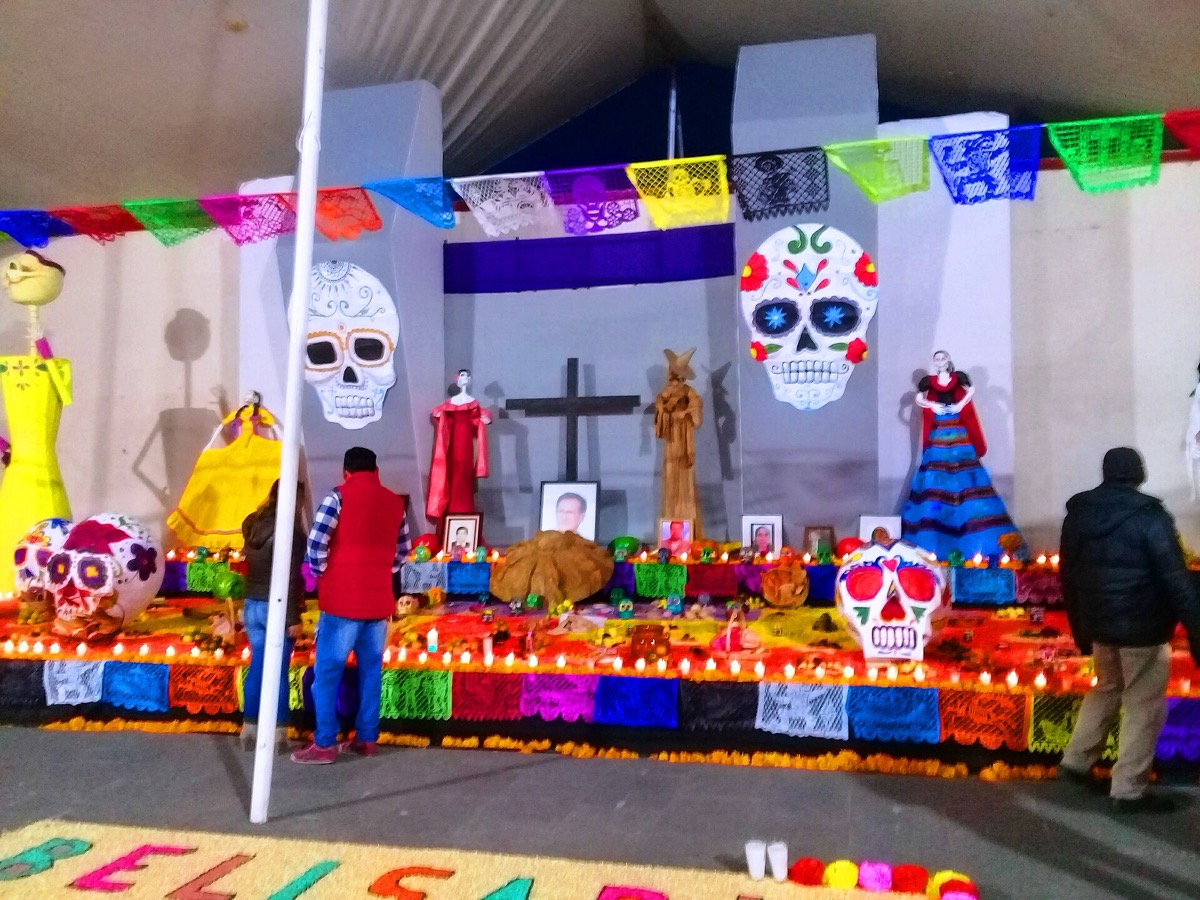
As the indigenous communities of Mexico keep it, el Día de los Muertos commemorates the transitory return to Earth of deceased relatives. The festivities run from the end of October into the beginning of November, which also completes the annual cycle of cultivating , the country’s predominant food crop.
They are a route. Families ease the return of the souls by laying flower petals, candles and offerings along the path leading from the cemetery to their homes. The deceased’s best-loved dishes go around the and the tomb, alongside flowers and typical handicrafts such as paper cut-outs.
As the indigenous communities of Mexico keep it, el Día de los Muertos commemorates the transitory return to Earth of deceased relatives and loved ones. It takes place each year from the end of October into the beginning of November, which also marks the completion of the annual cycle of cultivating maize.
The preparations are practical in their logic. Families ease the return of the souls by laying flower petals, candles and offerings along the path from the cemetery to their homes. They set the deceased’s best-loved dishes around the home shrine and the tomb.
The stakes explain the care. It is believed that the dead are capable of bringing prosperity, such as an abundant maize harvest, or misfortune, such as illness, accidents or financial difficulties, depending on how satisfactorily the rituals are executed.
The festival also sorts and situates. The dead are divided into by cause of death, age, sex and sometimes profession, each with a designated day of worship. This encounter between the living and the dead affirms the role of the individual within society, and reinforces the status of Mexico’s indigenous communities. Its rites sit alongside Catholic ones throughout.
wat. Petals from the grave to the door, so nobody loses the way.
wat wat
The care taken is not sentimental: the rituals are believed to decide whether the dead bring prosperity or misfortune.
How do we know?
The nomination file inscribed on the UNESCO Representative List in 2008, originally proclaimed in 2003, describes the practice as the indigenous communities of Mexico keep it.
What is still unknown
A description of indigenous practice, which the wider national celebration resembles but does not copy.
Learn something?